
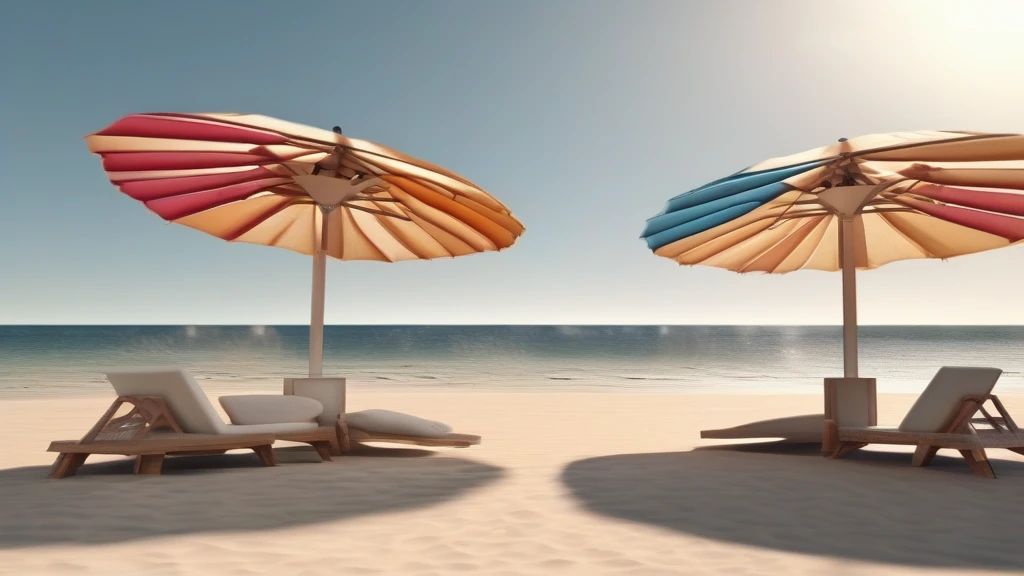
When it comes to enjoying the outdoors—whether at the beach, campsite, picnic spot, or your backyard patio—having reliable sun protection is essential. Parasols, designed specifically for shielding users from harmful UV rays, combine sun safety with portability and weather resistance. However, with a wide variety of types, materials, and design features available, choosing the right parasol can feel overwhelming. This comprehensive comparison will break down the key parasol styles and characteristics, helping you select the perfect fit for your outdoor needs.
Understanding Parasols: Purpose and Key Features
Parasols differ from regular umbrellas primarily by their focus on sun protection rather than rain shelter. They typically feature:
- High UPF Ratings: Certified sun protection often ranges from UV50+ to UV80+, blocking up to 98-99% of harmful ultraviolet rays.
- Broad Canopy Coverage: Canopy diameters commonly span 6 to 10 feet to provide ample shade for individuals or groups.
- Durability Against Weather: Materials and construction emphasize resistance to wind, water, and wear.
- Portability: Lightweight, foldable designs with carrying bags enable easy transport.
- Adjustability and Stability: Features like tilt mechanisms and secure anchoring systems optimize shade positioning and stability across terrains.
The following sections compare parasols by their canopy design, materials, structural features, and stability systems.
Canopy Designs: Shape, Size, and Material
Round vs. Square Canopies
- Round Canopies: The most common shape, offering even, radial shade coverage ideal for personal use or small groups. Typical diameters range from 6 to 9 feet.
- Square or Rectangular Canopies: These provide more directional shade, making them popular for patios or picnic tables. Sizes often reach 8x8 feet or larger, maximizing coverage along edges.
Canopy Materials
- Eco-Friendly Fabrics: Many parasols now use sustainable textiles such as recycled polyester or organic cotton blends. These materials often come with water-resistant and quick-dry coatings.
- UV Protective Layers: Multi-layered UV coatings enhance sun-blocking capabilities. High UPF ratings (UV50+ to UV80+) ensure effective defense against UVA and UVB rays.
- Wind-Resistant Canvases: Tear-resistant and double-vented canopy designs allow wind to pass through vents, reducing canopy stress and preventing damage.
Practical Tip: For beach use, quick-dry, water-resistant fabrics prevent mildew and make maintenance easier. For patio settings, heavier-duty, fade-resistant fabrics maintain aesthetic appeal under sun exposure.
Structural Features: Poles, Ribs, and Adjustability
Pole Materials
- Rustproof Aluminum: Lightweight and corrosion-resistant, aluminum poles combine portability with durability, perfect for campers and beachgoers.
- Steel Poles: Heavier but more robust, steel poles offer added stability for permanent or semi-permanent setups like backyard patios.
- Sustainable Components: Some parasols feature poles made with recyclable metals and eco-conscious finishes, aligning with environmentally friendly values.
Rib Construction
- Single vs. Reinforced Ribs: Reinforced or double ribs improve wind resistance by distributing canopy tension evenly, reducing the risk of breakage.
- Windproof Designs: Flexible ribs with shock-absorbing materials help parasols withstand gusty conditions without flipping inside out.
Adjustability
- Tiltable Canopies: Multi-angle tilt mechanisms let you follow the sun’s path, maintaining maximum shade throughout the day.
- Height Adjustment: Telescoping poles allow users to customize height, balancing coverage with comfort and airflow.
- 360-Degree Rotation: Some parasols rotate on their base, enabling effortless repositioning without moving the entire unit.
Pro Tip: For use in variable sun conditions—like camping or beach days—opt for parasols with tilt and rotation features. Fixed canopies may limit shade effectiveness as the sun moves.
Stability Systems: Anchoring on Different Terrains
A parasol’s stability is critical to prevent tipping or damage, especially in windy environments. Common anchoring solutions include:
- Sand Anchors and Screw-In Bases: Ideal for beaches and campsites, sand anchors screw deep into loose soil or sand, securing the parasol firmly.
- Weighted Bases and Bags: For patios or grassy areas, heavy bases filled with water, sand, or stones provide stability without ground penetration.
- Clamp Bases: Attach parasols securely to tables or railings, perfect for decks or picnic tables where ground anchoring isn’t possible.
Setting Up Tips:
- Always check ground conditions before selecting an anchoring method.
- Combine weighted bases with sand anchors in windy areas for enhanced stability.
- Use adjustable bases that fit different pole diameters if you own multiple parasols.
Portability and Convenience
For outdoor enthusiasts, portability is a major consideration.
- Lightweight Frames: Aluminum poles and slim rib designs reduce weight without compromising strength.
- Foldable or Collapsible Canopies: Easy to fold and pack, some parasols come with compact carry bags and shoulder straps.
- Quick Assembly: Snap-lock mechanisms and push-button release systems minimize setup time.
If your primary use involves frequent travel—like beach trips or camping—prioritize parasols designed for easy transport and quick setup.
Environmental Impact and Sustainability
As awareness of environmental issues grows, many parasol manufacturers incorporate sustainable practices:
- Recyclable Materials: Aluminum poles and recyclable fabrics reduce landfill waste.
- Eco-Friendly Manufacturing: Low-impact dyeing and water-saving fabric treatments minimize ecological footprints.
- Durability: High-quality materials extend product lifespan, reducing the need for frequent replacements.
Choosing parasols with green certifications or clear sustainability commitments helps align your outdoor gear with eco-conscious values.
Style and Aesthetic Considerations
While functionality tops the list, style also matters for many users.
- Colors and Patterns: From classic neutrals to vibrant stripes and floral prints, parasols come in a wide palette to match your outdoor décor.
- Matching Outdoor Furniture: Coordinating parasol fabric colors with cushions, tablecloths, or garden furniture enhances the visual appeal.
- Customizable Canopies: Some parasols offer interchangeable canopies or reversible fabrics, offering versatility.
Selecting a parasol that complements your outdoor style can elevate the ambiance of your patio or beach setup.
Maintenance Tips to Prolong Parasols’ Lifespan
Proper care keeps your parasol in top shape season after season:
- Regular Cleaning: Gently clean the canopy with mild soap and water, avoiding harsh chemicals that degrade UV coatings.
- Drying: Allow parasols to dry completely before storage to prevent mold and mildew.
- Storage: Use protective covers or carry bags; store parasols in cool, dry places away from direct sunlight when not in use.
- Inspect and Repair: Check ribs, poles, and fabric regularly; tighten loose screws and repair small tears promptly.
Following these practices preserves the parasol’s protective qualities and structural integrity.
Summary: Which Parasol Type Fits Your Needs?
| Feature / Type | Beach & Camping Parasols | Patio & Backyard Parasols | Travel and Compact Parasols |
|---|---|---|---|
| Canopy Size | 6–7 feet, round, quick-dry fabrics | 8–10 feet, round or square, fade-resistant | 6 feet or smaller, foldable |
| Materials | Lightweight aluminum, water-resistant eco fabrics | Steel or aluminum, durable fade-resistant fabrics | Lightweight aluminum, compact fabrics |
| Adjustability | Tilt and height adjustable, sand anchors | Tilt, rotation, weighted bases | Basic tilt, height adjustable, carry bag |
| Stability | Sand anchors or screw-in bases | Weighted bases or clamp mounts | Limited stability, designed for calm conditions |
| Portability | High—foldable, carry bags included | Moderate—heavier bases, less portable | Very high—ultra-compact, lightweight |
| Environmental Focus | Eco-friendly fabrics and recyclable poles | Durable materials for longevity | Sustainable materials prioritized |
Selecting the right parasol ultimately depends on your typical outdoor activities, environment, and priorities such as portability, durability, and sustainability. Understanding these distinctions empowers you to invest in a parasol that blends sun protection, convenience, and style—making your outdoor experiences safer and more enjoyable.
By comparing different parasol types and styles through the lens of materials, design, and functionality, you can confidently choose the best parasol suited for your outdoor lifestyle and environmental values. Whether you’re a beach lover, patio entertainer, or avid camper, the right parasol awaits to provide reliable shade and comfort all season long.