
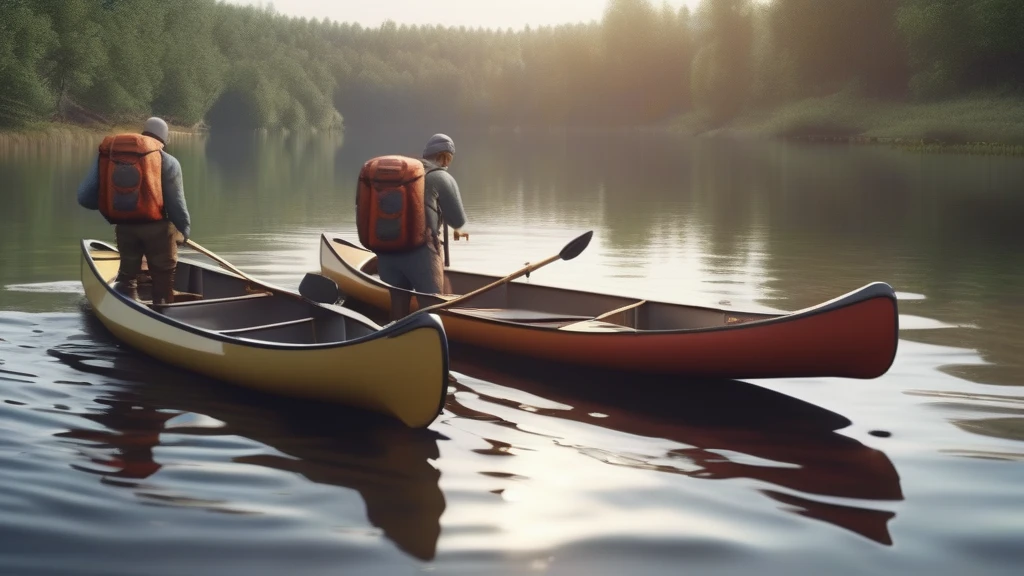
Canoeing offers a unique blend of adventure, tranquility, and connection with nature, making it a favored activity for families, beginners, anglers, and wilderness explorers alike. Whether you’re setting out for a serene day paddle on a calm lake or embarking on a multi-day expedition through remote rivers, careful planning is key to a successful and enjoyable trip. This guide covers essential considerations and expert tips for planning your canoe outings, helping you choose the right craft, pack efficiently, and navigate with confidence.
Understanding Your Canoe and Its Role in Your Trip
Selecting the Right Canoe for Your Adventure
Before hitting the water, it’s important to match your canoe choice to the type of trip you plan. Canoes come in various materials and hull designs that influence stability, speed, durability, and portability.
- Hard-Shell Canoes: Crafted from materials like fiberglass, Kevlar, Royalex, aluminum, and polyethylene, these canoes typically offer superior durability and performance. For example:
- Fiberglass and Kevlar: Lightweight with excellent speed and sleek hulls, ideal for longer trips and faster paddling.
- Royalex and Polyethylene: More impact-resistant and rugged, perfect for rocky streams or wilderness expeditions.
-
Aluminum: Extremely durable and low-maintenance, though heavier and noisier.
-
Inflatable Canoes: Made from PVC, Hypalon, or reinforced vinyl, inflatable canoes excel in portability and ease of storage. Perfect for urban dwellers or those with limited storage space, they’re great for calm waters and short trips but may compromise some durability and speed.
Hull Shape and Stability Considerations
The hull shape dramatically affects how your canoe handles:
- Flat Bottom: Offers excellent initial stability, making it beginner-friendly and great for calm lakes and family outings.
- V-Bottom: Cuts through water efficiently, providing better tracking and speed, suitable for longer trips.
- Round Bottom: Enhances maneuverability, ideal for narrow, winding streams.
- Asymmetrical or Shallow Arch: Balances stability and speed, often preferred for versatile paddling conditions.
Choosing a hull that aligns with your skill level and water conditions enhances both safety and enjoyment.
Preparing Your Gear and Packing Smartly
Essential Gear for Day Trips vs. Wilderness Expeditions
The gear you pack depends on your trip length and environment:
- Day Outings:
- Personal flotation devices (PFDs) for all paddlers
- Waterproof bags or dry storage compartments for phones, keys, and snacks
- Sun protection (hats, sunscreen)
- Light first aid kit
- Water bottles and some food
-
Map or GPS device
-
Extended Wilderness Trips:
- Larger dry storage compartments or dry bags for clothes, food, and camping gear
- Portable cooking equipment and supplies
- Comprehensive first aid kit
- Navigation tools (compass, maps, GPS)
- Repair kits for your canoe (patch kits for inflatables, basic tools for hard-shell)
- Safety gear such as whistles, signal mirrors, and waterproof lighting
Organizing Gear Efficiently
Many canoes come with built-in features like gear tie-down points, removable storage hatches, and padded or webbed seats that can be adjusted for comfort and convenience. Use these to secure your equipment and distribute weight evenly to maintain stability.
For fishing enthusiasts, specialized compartments and rod holders help keep gear organized and easily accessible without compromising balance.
Safety and Comfort on the Water
Prioritizing Stability and Control
Especially for beginners and family outings, stability is paramount. Opt for canoes with stability-enhancing hull shapes and comfortable seating that supports proper paddling posture over long periods. Padded or cane seats can reduce fatigue, while adjustable foot braces (if available) improve control.
Portability and Transport Solutions
Transporting your canoe to and from launch points can be a logistical challenge without proper equipment. Many canoes feature carry yokes, shoulder harnesses, or removable portage wheels to ease the burden during portages or hikes.
Inflatable canoes stand out for easy transport—they can be deflated, rolled up, and stored in compact bags, making them ideal for spontaneous outings or trips where vehicle space is limited.
Environmental Awareness and Eco-Friendly Practices
Selecting canoes made from eco-conscious materials, such as sustainably sourced woods or recyclable composites, contributes to preserving the natural habitats you enjoy. Moreover, practicing Leave No Trace principles—carrying out all trash, avoiding disturbing wildlife, and minimizing shoreline impact—ensures that canoeing remains a sustainable activity for future generations.
Planning Your Route and Timing
Choosing Suitable Waterways
Identify waterways that match your skill level and canoe type. Calm lakes, gentle rivers, and sheltered bays are excellent for beginners and family trips. More experienced paddlers and wilderness campers might explore remote rivers and streams where rugged and durable canoes are essential.
Check for any access restrictions, water conditions, and weather forecasts to avoid hazardous situations.
Timing Your Trip for Safety and Enjoyment
Early mornings typically offer calmer winds and less boat traffic, ideal for paddling. For wilderness expeditions, plan your route with daylight hours in mind to ensure you can set up camp safely before dark.
Seasonal considerations also matter—spring melt may cause higher water levels and fast currents, while late summer and fall often provide stable conditions and beautiful scenery.
Maintenance and Post-Trip Care
Proper maintenance extends the life of your canoe and preserves its performance:
- Rinse your canoe with fresh water after every trip, especially after exposure to saltwater.
- Inspect for damage such as cracks, punctures, or abrasions; repair promptly using appropriate kits.
- Store your canoe in a cool, dry place away from direct sunlight to prevent material degradation.
- For inflatable canoes, ensure they are completely dry before storage to prevent mildew.
Regular inspection of paddles, seats, and safety gear also ensures your setup is always ready for the next adventure.
Conclusion
Planning a canoe trip—whether a leisurely day outing or a challenging wilderness expedition—requires thoughtful preparation and an understanding of how your canoe’s design and features align with your goals. By selecting the right canoe, packing strategically, prioritizing safety, and respecting the environment, you can create memorable water adventures filled with fun, discovery, and connection to the great outdoors.
Embrace the rhythm of paddling, the beauty of calm waters, and the joy of exploration with confidence and knowledge at your side. Happy paddling!