
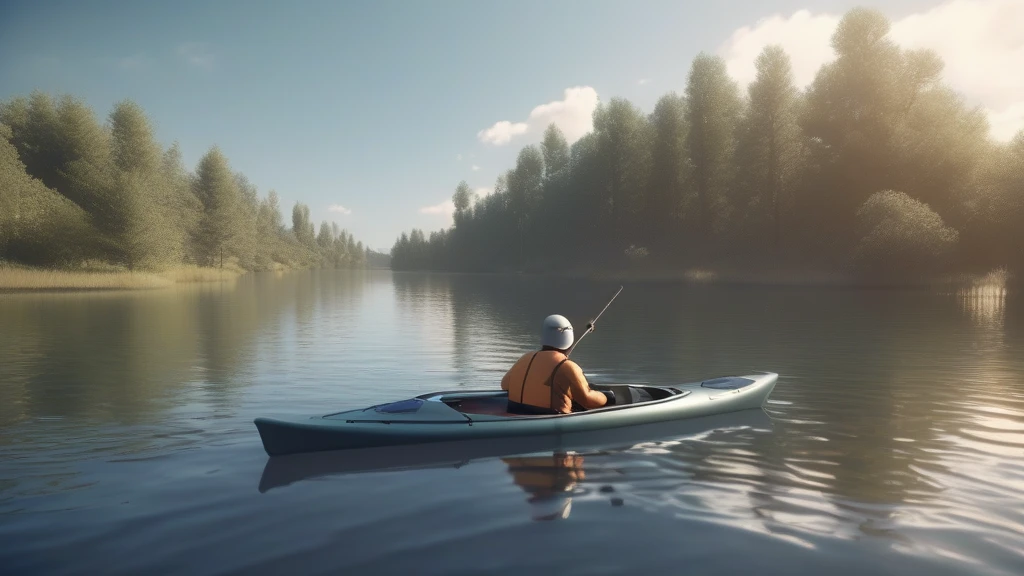
Embarking on your first tandem kayak adventure is an exciting opportunity to connect with nature, enjoy quality time with a partner or family member, and experience the thrill of paddling together. Tandem kayaks, designed to accommodate two or more occupants, offer unique advantages such as shared effort, enhanced stability, and the chance to explore waterways that might feel daunting alone. To make your initial excursion both enjoyable and safe, thoughtful planning is essential. This guide covers everything from choosing suitable routes and understanding safety essentials to packing effectively for your tandem kayak outing.
Choosing the Right Route for Your Tandem Kayak Adventure
Selecting a route is one of the most important steps in planning a kayaking trip, especially when paddling with a partner.
Consider Water Conditions and Difficulty Level
Tandem kayaks vary in design from recreational models suited for calm lakes and slow-moving rivers to performance-oriented kayaks that can handle choppier waters and longer distances. As beginners, it is wise to start on flat, calm waters where you can focus on coordination and enjoying the experience without battling strong currents or waves.
Look for local lakes, gentle rivers, or protected coastal bays that provide sheltered water conditions. Avoid fast-flowing rivers, open ocean, or waters prone to sudden weather changes on your first outing.
Distance and Duration
Keep your initial trips short—ideally under 3 hours on the water—to allow you to build stamina and test your teamwork. Plan routes with accessible entry and exit points, such as boat ramps or beaches, so you can easily rest or end the journey if needed.
Scenic and Rest Opportunities
Choose routes that offer interesting sights like wildlife, scenic shorelines, or picnic areas. Having designated stops for rest and hydration not only breaks up the trip but also enhances the overall experience.
Essential Safety Tips for Tandem Kayaking
Safety is paramount when kayaking, particularly with multiple occupants sharing the same craft. Preparing adequately ensures a fun and secure adventure.
Wear Personal Flotation Devices (PFDs)
Each paddler should wear a properly fitted US Coast Guard-approved life jacket at all times on the water. Even confident swimmers benefit from this precaution, as conditions can change unexpectedly.
Check Weather and Water Conditions
Before setting off, review the weather forecast and water conditions. Avoid kayaking during storms, high winds, or extreme temperatures. Early mornings or late afternoons often offer calmer water and cooler conditions.
Communicate and Coordinate
Effective communication between paddlers is key to maneuvering a tandem kayak efficiently. Discuss paddling rhythm, commands, and turning techniques beforehand. Practice synchronized strokes and steering in calm water to build confidence.
Bring Safety and Emergency Gear
Pack a whistle or signaling device, a waterproof flashlight, and a basic first aid kit. Carry a bilge pump or sponge to remove water from the kayak if necessary. If your route is remote, consider a waterproof VHF radio or personal locator beacon.
Know Your Limits
Be honest about your paddling skills and physical fitness. Start with manageable distances and conditions, and gradually progress as your experience grows.
Packing Essentials for a Tandem Kayak Trip
Organizing your gear thoughtfully can make a big difference in comfort and convenience during your outing.
Use Waterproof Storage Solutions
To protect your belongings from water exposure, pack items in dry bags or waterproof containers. Place valuables such as phones, wallets, and cameras in sealed pouches.
Bring Adequate Hydration and Snacks
Kayaking is physical activity, so bring enough water for all occupants. Lightweight, non-perishable snacks like nuts, energy bars, or dried fruit provide convenient energy boosts.
Dress for the Conditions
Wear moisture-wicking, quick-drying clothing appropriate for the weather. Layering helps you adjust to temperature changes, and a hat plus sunscreen protect against sun exposure.
Gear Organization and Storage
Tandem kayaks often feature bungee cords and compartments for securing gear. Use these to keep items like paddles, dry bags, and safety equipment accessible but stable.
Essential Accessories to Consider
- Paddle Leashes: Prevent losing paddles overboard.
- Spray Skirts: Help keep water out in rough conditions (more common on performance models).
- Seat Cushions and Backrests: Enhance comfort during longer trips.
- Repair Kit: Carry basic tools and patch materials suitable for your kayak’s construction.
Additional Tips for a Successful Tandem Kayak Experience
Practice Together Before Your Trip
Spend time paddling in familiar, calm waters to develop teamwork and get comfortable with your kayak’s handling. Practice loading and unloading, adjusting seats, and communicating.
Understand Your Kayak’s Material and Maintenance Needs
Tandem kayaks come in various materials, including rotomolded plastic, high-density polyethylene, fiberglass composites, and inflatable PVC. Each has pros and cons regarding weight, durability, and portability. Regularly clean and inspect your kayak, especially after saltwater use, and store it properly to maximize lifespan.
Plan for Transportation and Storage
Consider how you will transport your tandem kayak to the launch site. Many models offer built-in carry handles or quick assembly features. Inflatable kayaks provide compact storage options, while rigid hulls may require roof racks or trailers.
Embarking on your first tandem kayak adventure opens the door to countless memorable experiences on the water. By carefully selecting an appropriate route, prioritizing safety, and packing thoughtfully, you set the stage for a rewarding excursion. Whether you seek peaceful paddling on serene lakes or plan to explore gentle rivers with your partner or family, these foundational tips will help you navigate your way to enjoyable and safe kayaking outings. Happy paddling!