
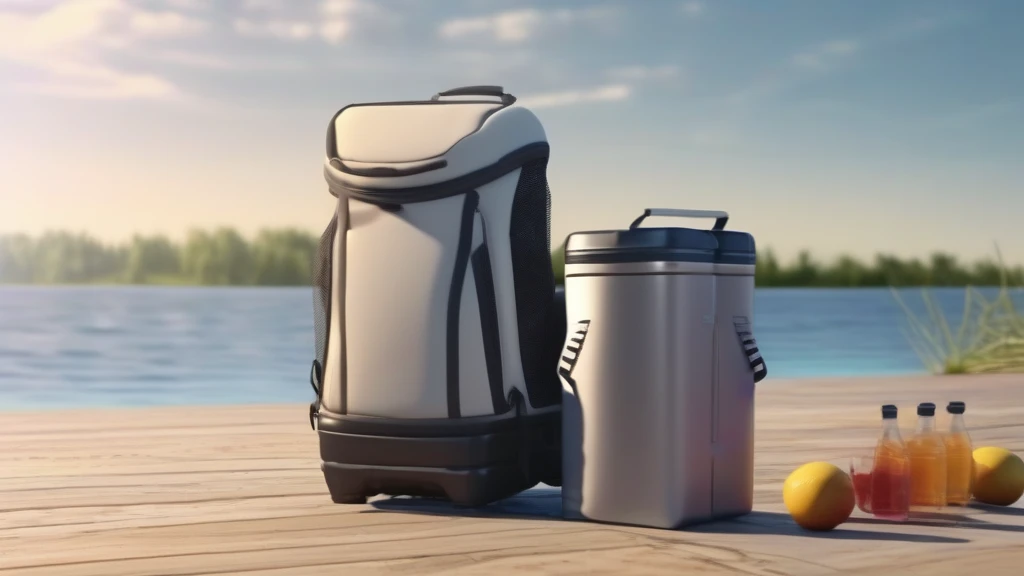
When planning outdoor adventures, keeping your food and beverages fresh and chilled is essential. Choosing the right cooler can significantly enhance your experience, but with so many options available—especially portable cooler backpacks and wheeled coolers—deciding which fits your lifestyle best can be challenging. This article breaks down the strengths and considerations of both cooler types, helping you make an informed decision tailored to your outdoor activities.
Understanding the Basics: What Are Portable Cooler Backpacks and Wheeled Coolers?
Before diving into comparisons, it’s helpful to understand what each cooler type offers.
Portable Cooler Backpacks
Cooler backpacks are soft-sided food and beverage carriers designed to be worn like a backpack. They typically feature insulated compartments made with durable materials such as high-density polyester nylon, EVA foam, or other rugged fabrics. Their ergonomic shoulder straps and padded back panels make them comfortable for hands-free transport over uneven terrain.
Wheeled Coolers
Wheeled coolers, often hard-sided but sometimes soft-sided, come with sturdy wheels and telescoping or foldable handles. They are designed to be pulled behind you, reducing the strain of carrying heavy loads. These coolers usually feature robust construction materials like rotomolded plastic and advanced insulation technologies to keep contents cold for extended periods.
Key Factors to Consider When Choosing Between Cooler Backpacks and Wheeled Coolers
1. Portability and Terrain
-
Cooler Backpacks: Ideal for activities involving hiking, fishing along rocky shores, or navigating crowded areas like beaches and festivals. Their hands-free design offers superior mobility and balance, especially on uneven or narrow paths.
-
Wheeled Coolers: Best suited for smooth, flat surfaces such as paved parking lots, campgrounds with gravel roads, or backyards. Wheels make transporting heavy loads effortless but can be cumbersome on sand, mud, or steep inclines.
2. Capacity and Load
-
Cooler Backpacks: Usually range from compact 12-can capacity models to mid-sized units holding around 20-30 cans. They are perfect for solo trips, couples, or small groups where mobility is prioritized.
-
Wheeled Coolers: Often come in larger sizes, from 40-quart up to 75-quart capacities or more, accommodating food and drinks for families or groups. They can handle heavier loads without causing fatigue.
3. Insulation Performance and Ice Retention
Both cooler backpacks and wheeled coolers employ advanced insulation technologies:
-
Cooler Backpacks: Typically use double-walled, vacuum-sealed, or gel-based insulation. Ice retention generally ranges from 12 to 24 hours, suitable for day trips or short outings.
-
Wheeled Coolers: Often utilize thick rotomolded plastic shells combined with hybrid insulation systems, offering ice retention from 24 up to 72 hours. This makes them ideal for extended camping trips or multi-day events.
4. Durability and Weather Resistance
-
Cooler Backpacks: Constructed with water-resistant, UV-resistant fabrics and leakproof liners, they withstand light rain and splashes but may be less sturdy against heavy impacts.
-
Wheeled Coolers: Designed for rugged use, many feature impact-resistant shells, weatherproof seals, and anti-stain coatings, enduring rough handling and harsh environments.
5. Convenience Features
-
Cooler Backpacks: Often include multiple compartments for organization, insulated side pockets for water bottles, and ergonomic padded straps for comfort. Some models integrate bottle openers or quick-drain systems.
-
Wheeled Coolers: Typically equipped with lockable lids, removable dividers, cup holders, and heavy-duty wheels that roll smoothly over various terrains. Telescoping handles can fold away for compact storage.
Matching Cooler Types to Outdoor Activities
Hiking and Day Trips
For activities requiring movement over uneven terrain and the need for hands-free mobility, portable cooler backpacks excel. Their lightweight design and ergonomic features reduce strain, while sufficient insulation keeps perishables fresh throughout the day.
Beach Outings
If your beach has hard-packed sand or boardwalks, wheeled coolers offer easy transport and larger capacity for group needs. However, on soft sand, a cooler backpack is easier to carry without wheels sinking or getting stuck.
Camping and Multi-Day Excursions
Extended trips benefit from the superior ice retention and larger storage volume of wheeled coolers. Their durable construction also protects food better against wildlife and weather conditions.
Fishing and Outdoor Sports
Cooler backpacks provide flexibility and mobility when navigating boats, docks, or trails. Their compact size fits well in tight spaces, and many models feature extra pockets for gear organization.
Tips for Maximizing Ice Retention and Cooler Organization
Regardless of cooler type, efficient packing and preparation improve cooling performance:
- Pre-chill your cooler by adding ice or cold packs before loading food.
- Use block ice or reusable gel packs, which melt slower than cubed ice.
- Pack items tightly to minimize air gaps, which accelerate melting.
- Store frequently accessed items on top to reduce opening time.
- Use removable dividers or internal compartments to separate foods and beverages.
- Drain melted water regularly if the cooler features an easy-drain system to prevent sogginess.
Eco-Friendly Considerations in Cooler Selection
Sustainability is increasingly important for outdoor enthusiasts. Look for coolers made with:
- BPA-free, recyclable materials such as high-density polyester and rotomolded plastics with eco-conscious manufacturing processes.
- Durable designs that extend product lifespan, reducing waste.
- Components that can be repaired or replaced, such as straps and wheels.
- Insulation technologies that minimize the need for excessive ice, conserving water.
Maintenance and Cleaning Best Practices
Proper upkeep ensures your cooler performs well and lasts longer:
- Clean liners and compartments with mild soap and warm water after each use.
- Avoid harsh chemicals or abrasive scrubbers that could damage insulation or fabrics.
- Air dry completely to prevent mold and odors.
- For hard-shell wheeled coolers, wipe exterior surfaces and wheels regularly.
- Store coolers in a dry, shaded area away from direct sunlight to protect materials.
Final Thoughts: Choosing What Fits Your Outdoor Lifestyle
Both portable cooler backpacks and wheeled coolers bring unique advantages aligned with different outdoor scenarios. Your choice depends on factors such as terrain, group size, trip duration, and personal comfort preferences. Cooler backpacks shine in mobility and convenience for active, solo, or small group outings, while wheeled coolers offer unmatched capacity and durability suited for families and longer excursions.
By understanding the features, benefits, and limitations of each, you can select a cooler that not only keeps your food and drinks chilled but also complements the way you enjoy the outdoors. Equipped with this knowledge, you’re ready to enhance your next adventure with the perfect cooling companion.