
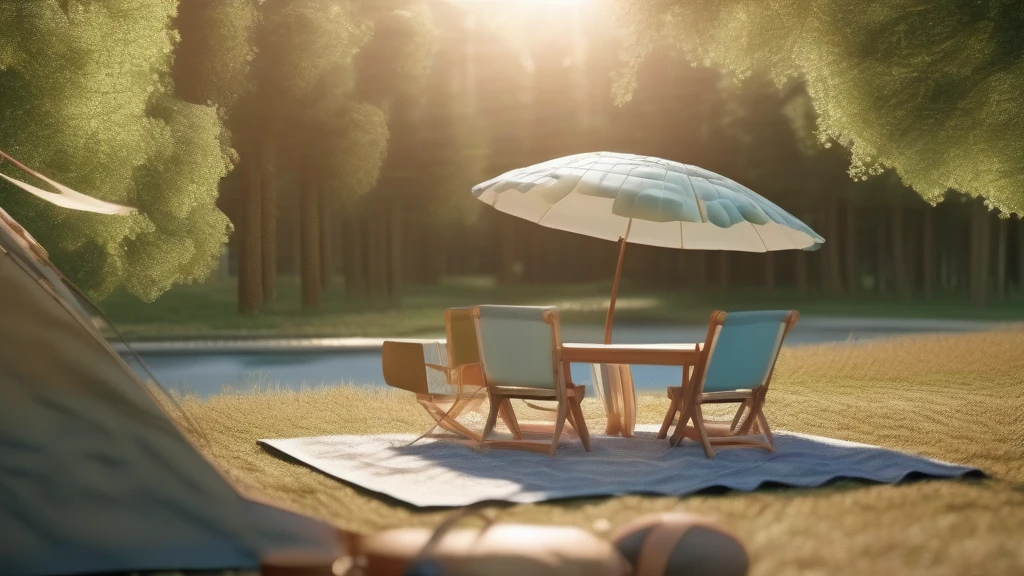
Spending time outdoors, whether camping in the wilderness or enjoying a sunny picnic in the park, calls for practical sun protection that is both effective and easy to carry. Portable parasols have become an essential accessory for outdoor enthusiasts who want to stay shielded from harmful UV rays without sacrificing convenience or style. But what exactly makes a parasol the ideal travel companion for campers and picnic lovers? This guide explores the key features, materials, and tips to help you choose and maintain the best portable parasol tailored to your outdoor adventures.
Understanding the Importance of UV Protection
Why UV Protection Matters
Extended exposure to the sun’s ultraviolet (UV) rays can lead to skin damage, premature aging, and increased risk of skin cancer. For outdoor lovers, protecting skin is critical, especially during peak daylight hours. Parasols designed for sun protection come with UPF (Ultraviolet Protection Factor) ratings, indicating how effectively the fabric blocks UV radiation.
Decoding UPF Ratings
- UPF 50+ to 80+: The most common and recommended range for parasols, blocking up to 98% of UV rays.
- Higher UPF ratings: Offer enhanced protection, particularly important for sensitive skin or extended outdoor exposure.
- Certification: Look for parasols tested and certified by recognized organizations to ensure reliable UV defense.
Key Features to Look for in a Portable Parasol
Size and Canopy Coverage
The canopy size determines how much shade you get. Most parasols range between 6 to 10 feet in diameter:
- 6 to 7 feet: Ideal for personal use or small groups.
- 8 to 10 feet: Suitable for families or larger picnic gatherings, offering broad coverage.
Choosing the right size depends on your typical group size and activity type.
Material Quality and Durability
Durability is vital for parasols that endure varied outdoor conditions:
- Fabric: Look for water-resistant, quick-dry, and tear-resistant fabrics. Many brands now use eco-friendly, sustainable textiles, which reduce environmental impact without compromising performance.
- Canopy design: Double-vented canopies improve airflow and stability during breezy conditions, minimizing the risk of umbrella flipping.
- Frames and poles: Rustproof aluminum or steel poles provide strength and longevity. Reinforced ribs increase resistance to wind and wear.
Portability and Ease of Use
For campers and picnic lovers, carrying gear comfortably is a priority:
- Lightweight construction: Essential for easy transport without adding burden.
- Foldable or compact design: Enables the parasol to fit into backpacks or car trunks effortlessly.
- Carry bags: Many parasols include protective and convenient carry bags with straps for hands-free transport.
Adjustable Features
Optimizing shade throughout the day requires flexibility:
- Tiltable canopies: Allow you to angle the parasol to block the sun as it moves.
- Height adjustment: Facilitates shade for sitting or standing positions.
- Multi-angle adjustments: Provide customized coverage depending on terrain and sun direction.
Stability Systems for Different Terrains
Outdoor environments vary widely, and a parasol's anchoring system must adapt accordingly:
- Sand anchors and screw-in bases: Perfect for beaches and soft soil areas.
- Weighted bags and clamp bases: Useful on patios, decks, or hard surfaces where digging is not possible.
- Combination systems: Some parasols offer multiple anchoring options or accessories to enhance stability.
Choosing the Right Parasol Based on Your Activity
For Campers
Campers benefit from parasols that combine durability with compactness. Look for:
- Rust-resistant frames to withstand moisture and rough handling.
- Quick-dry fabrics to prevent mildew during sudden rain.
- Versatile anchoring, such as screw-in bases for soil and weighted options for rocky areas.
- Easy-to-carry designs that fit into camping gear without excess weight.
For Picnic Lovers
Picnic parasols often prioritize shade coverage and aesthetics:
- Larger diameter canopies to shelter groups comfortably.
- Stylish colors and patterns that complement outdoor settings.
- Lightweight, foldable models for easy transport to parks or open fields.
- Adjustable tilt and height for customizable shade as the sun moves.
Maintaining Your Portable Parasol for Longevity
Proper care extends the life of your parasol:
- Cleaning: Use mild soap and water to clean fabric surfaces; avoid harsh chemicals that degrade materials.
- Drying: Always let the parasol dry completely before packing to prevent mold and mildew.
- Storage: Store in a dry, cool place away from direct sunlight when not in use.
- Inspecting: Regularly check for fabric tears, rust on poles, or loose ribs and repair or replace parts as needed.
Environmental Considerations in Parasol Selection
Sustainability is increasingly important in outdoor gear:
- Eco-friendly fabrics: Choose parasols made from recycled or sustainably harvested materials.
- Recyclable components: Metal poles and plastic parts that can be recycled reduce long-term waste.
- Durability: Investing in a longer-lasting parasol reduces frequent replacements and environmental footprint.
Supporting brands prioritizing environmental responsibility helps protect the very nature you enjoy.
Styling Your Outdoor Space with the Right Parasol
Parasols aren’t just functional; they enhance the ambiance of your outdoor setting:
- Color choices: Neutral tones blend with natural surroundings, while bright colors add lively accents.
- Patterns: Stripes, florals, or geometric prints can personalize your space and complement picnic blankets or camping chairs.
- Coordination: Match parasols with other accessories like outdoor cushions, mats, and lighting for a cohesive look.
Final Thoughts
A well-chosen portable parasol is more than just a sunshade—it’s a trusted companion for every outdoor excursion. By considering factors such as UV protection, size, materials, portability, and stability, campers and picnic lovers can find a parasol that enhances comfort, safety, and enjoyment under the sun. Coupled with proper maintenance and an eye toward environmental impact, your parasol will provide reliable shade season after season, making your outdoor adventures safer and more stylish.