
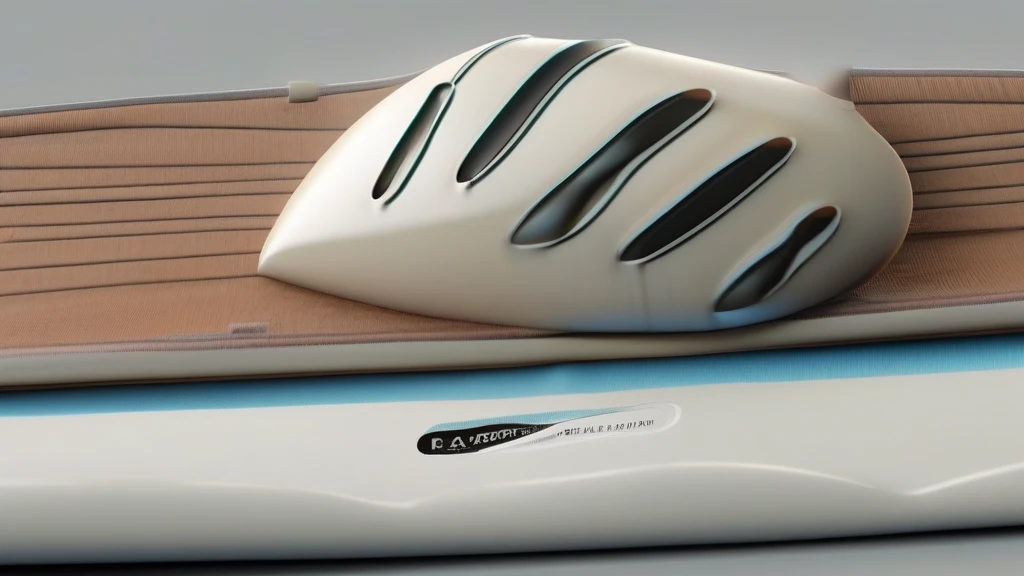
When it comes to protecting your surfboard or wakeboard, choosing the right board bag is crucial—not only for safeguarding against physical damage but also for maintaining the condition of your gear over time. One often overlooked yet vital feature in surfboard cases and bags is ventilation. Proper airflow can significantly reduce the risk of mildew growth and unpleasant odors, ensuring your board stays fresh and ready for your next session.
In this article, we’ll explore why ventilation is so important in board bags, how it works, and what to look for when selecting a bag that keeps your gear dry, odor-free, and well-protected.
Understanding the Problem: Mildew and Odors in Board Bags
Why Do Mildew and Odors Develop?
Surfboards and wakeboards frequently come into contact with water, salt, sand, and sun—all elements that create an ideal environment for mildew and bacterial growth when trapped inside a confined space. When you store a damp board in a sealed bag without adequate airflow, moisture becomes trapped. Over time, this moisture can foster:
- Mildew and mold growth: Mildew thrives in dark, warm, and damp conditions, feeding on organic material and causing unsightly stains and potential damage to the board bag fabric.
- Unpleasant odors: Bacteria and mold give rise to musty, sour smells that linger and can be difficult to eliminate.
- Material degradation: Excess moisture can weaken padding, zippers, and fabric integrity, shortening the lifespan of your board bag.
Impact on Your Gear and Experience
Beyond aesthetics and odor, mildew and moisture can indirectly harm your boards by encouraging surface degradation, delamination, or weakening of structural components. Moreover, opening a smelly or moldy bag can be an unpleasant experience that deters you from regular use or leads to costly cleaning and replacements.
How Ventilation Helps Protect Your Board and Bag
Promoting Air Circulation
Ventilation systems integrated into board bags work by allowing air to circulate inside the bag, facilitating the evaporation of trapped moisture. This airflow helps maintain a dry environment that is inhospitable to mold and bacteria.
Common ventilation features include:
- Mesh panels: Strategically placed breathable mesh sections encourage airflow while keeping debris and sand out.
- Open vent ports: Small openings or grommets that promote passive air exchange without compromising protection.
- Breathable fabric layers: Some bags use specialized materials that wick moisture away or allow vapor to escape.
Balancing Protection and Breathability
It’s important to strike a balance between waterproofing and ventilation. While waterproof exteriors shield your board from rain and splashes, they can also trap moisture inside if not coupled with vents. Quality board bags are designed to be water-resistant yet breathable, combining durable outer shells with integrated ventilation zones to keep the interior dry.
Features to Look For in Ventilated Board Bags
Mesh Ventilation Panels
Look for bags with mesh panels on the sides or ends. These panels enhance airflow and speed up drying times after a day on the water. Good ventilation panels are positioned to maximize air exchange without exposing your board to external elements like sand or dirt.
Vent Ports or Grommets
Some designs incorporate vent ports or metal grommets near the fin area or at the bag’s ends. These small, reinforced holes allow excess moisture to escape and air to enter, which is especially useful during storage or transport.
Moisture-Wicking Liners and Padding
A moisture-wicking inner lining draws water away from the board’s surface and into the airflow zone, helping to reduce dampness. EVA foam padding with drainage channels or perforations can also improve breathability while protecting the board from impact.
Adjustable Closure Systems
Zippers and closures that allow partial opening can help air out the bag between uses. Some bags offer quick-release straps or foldable sections that facilitate ventilation without fully exposing the board.
Practical Tips to Maximize Ventilation Benefits
Dry Your Board Before Packing
Always rinse your board with fresh water after use and let it dry completely before placing it in the bag. Removing as much surface moisture as possible reduces the humidity trapped inside and lowers mildew risk.
Store Bags Partially Open When Possible
If you’re storing your board for an extended period, keep the bag slightly unzipped or open to allow continuous airflow. This practice helps prevent stagnant air and moisture buildup.
Use Desiccants or Moisture Absorbers
For added protection during long storage or travel, consider placing silica gel packets or moisture-absorbing pouches inside the bag. These can complement ventilation features by absorbing residual humidity.
Regularly Clean and Inspect Your Bag
Periodically wash your board bag according to the manufacturer’s instructions, paying special attention to mesh and vent areas where dirt and salt may accumulate. Inspect for signs of mold or damage and address issues promptly to maintain airflow efficiency.
Why Ventilation Matters for Different Users
Recreational Riders and Beginners
For casual surfers or wakeboarders, a ventilated bag ensures that your gear stays fresh even if stored in humid environments or used frequently. Lightweight bags with mesh panels offer a good balance of protection and breathability for daily beach trips.
Professional Athletes and Frequent Travelers
Travel-ready bags with robust ventilation systems are essential for pros who transport boards via airline travel or store multiple boards. Effective ventilation prevents mildew during long transit times and varying climates, preserving expensive equipment.
Instructors and Multi-Board Owners
Double and multi-board bags benefit from enhanced airflow features to manage moisture from several boards packed tightly together. Ventilation helps avoid odor buildup and dampness that can quickly become a nuisance in shared gear.
Eco-Conscious Consumers
Many sustainable board bags now incorporate breathable, recycled materials that promote ventilation without compromising environmental responsibility. Choosing ventilated, eco-friendly bags aligns with reducing waste and extending product life.
Final Thoughts: Ventilation Is a Key Component of Board Bag Protection
While padding, waterproofing, and durability are often the headline features when choosing a board bag, ventilation plays an equally critical role in protecting your gear from mildew, odors, and moisture-related damage. Proper airflow inside your board bag preserves the quality and longevity of both your board and the bag itself, ensuring every ride starts with fresh, well-maintained equipment.
When shopping for surfboard cases and bags, prioritize models with well-designed ventilation systems—mesh panels, vent ports, breathable linings—and combine these features with good maintenance habits like drying your board and airing out your bag regularly. This approach helps you keep your water sports gear in peak condition, ready for adventure whenever you are.