
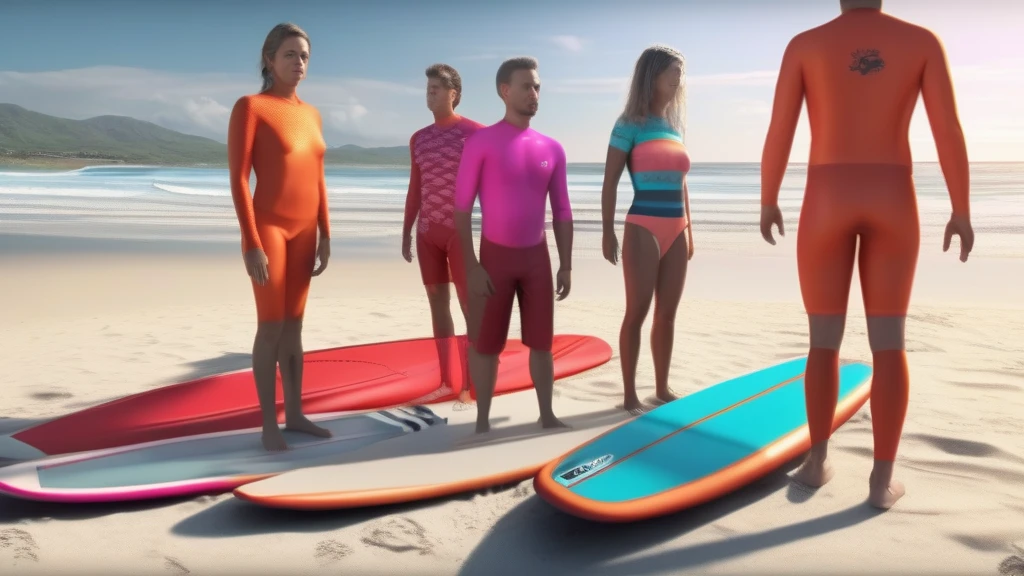
When it comes to water sports and outdoor aquatic activities, rash guards and swim shirts have become essential gear for enthusiasts of all ages and skill levels. Beyond their stylish appearance, these garments deliver critical protection against sun exposure, abrasions, and temperature changes. But with numerous options available—ranging in materials, sleeve lengths, and design features—choosing the right rash guard can be overwhelming.
This comprehensive comparison explores the different types and styles of rash guards and swim shirts, breaking down their materials, performance characteristics, and suitability across various activities and climates. Whether you're a casual beach-goer, a parent shopping for children's water apparel, or a competitive surfer, this guide will help you make an informed decision tailored to your needs.
Understanding Rash Guards: Materials and Their Benefits
Neoprene Rash Guards: Warmth Meets Protection
Neoprene rash guards stand out for their thermal insulation and abrasion resistance. Made from a synthetic rubber material, neoprene provides a thicker, more cushioned layer that helps retain body heat in colder water conditions. This makes neoprene an excellent choice for surfers, paddleboarders, and divers who spend extended time in chilly environments.
Key Characteristics:
- Thickness ranges typically from 1mm to 3mm, balancing flexibility and warmth.
- Provides superior abrasion resistance, protecting against surfboard wax, coral, or rocky surfaces.
- Offers a snug, almost wetsuit-like fit that maintains flexibility.
- Dries more slowly than Lycra or spandex due to its denser material.
Best For: Cold-water surfing, diving, and any water sport requiring thermal insulation and durability.
Lycra & Spandex Rash Guards: Lightweight Comfort and Breathability
Lycra and spandex-based rash guards emphasize lightweight comfort and breathability. These fabrics are known for their exceptional stretchability and moisture-wicking properties, making them ideal for warm climates and high-mobility activities like swimming or casual beachwear.
Key Characteristics:
- Thin, quick-drying materials that feel like a second skin.
- Provides excellent UV protection, often rated UPF 50+.
- Highly stretchable, allowing unrestricted movement during dynamic water sports.
- Less insulating than neoprene; not suited for cold water without additional layering.
Best For: Warm-weather swimming, casual snorkeling, paddleboarding, and general sun protection.
Elastane Blends: Balancing Stretch and Durability
Many rash guards combine elastane with other fibers to enhance stretch and durability. Elastane-infused fabrics maintain shape after repeated use and provide a tight, comfortable fit without restricting motion.
Key Characteristics:
- Enhanced elasticity for a perfect second-skin feel.
- Resistant to wear and tear, extending garment life.
- Often blended with polyester or nylon for moisture management.
- Suitable for both short and long sleeve styles.
Best For: Active water sports requiring flexibility and durability, such as surfing and water-based fitness training.
Sleeve Lengths & Styles: Functionality Meets Personal Preference
Long Sleeve Rash Guards: Maximum Coverage and Protection
Long sleeve rash guards offer full arm coverage, critical for maximizing sun protection and minimizing abrasions during high-impact water activities. Their extended coverage also helps retain warmth in cooler conditions without the bulk of neoprene.
Advantages:
- UPF protection across arms, shoulders, and torso.
- Reduced risk of rashes and chafing from surfboards or gear.
- Often favored by surfers, swimmers, and paddleboarders in sunny or breezy environments.
- Available in both Lycra/spandex and neoprene options.
Short Sleeve Rash Guards: Breathability and Versatility
Short sleeve styles provide more ventilation and freedom around the shoulders and upper arms, making them a popular choice in hot climates or for activities with less abrasion risk.
Advantages:
- Greater cooling effect due to exposed arms.
- Easier to layer under wetsuits or other outerwear.
- Suitable for casual beach activities, snorkeling, or light water sports.
- Often come in vibrant colors to enhance visibility in water.
Sleeveless and Tank-Style Swim Shirts
Less common but growing in popularity, sleeveless rash guards and tank-style swim shirts offer minimal coverage for users prioritizing mobility and cooling.
Advantages:
- Maximum freedom of movement for shoulders and arms.
- Lightweight and highly breathable.
- Best suited for sun protection on the torso while maintaining ventilation.
Fit and Sizing: Getting the Right Rash Guard for Your Body
A well-fitting rash guard should feel like a second skin—snug but not restrictive—to provide optimal protection and comfort. Most products range from youth XS to adult XXL, accommodating various body types.
Tips for Proper Fit:
- Check size charts: Different manufacturers may have slight variations in sizing.
- Consider activity: More active users may prefer a tighter fit to prevent fabric shifting.
- Account for layering: For colder water, size up slightly to allow a base layer underneath.
- Try on when possible: Ensure sleeves reach wrists (for long sleeve styles) and torso coverage is adequate without bunching.
Sun Safety and Skin Protection: The Core Advantages
One of the primary reasons for wearing rash guards is to protect skin from harmful UV rays. Many rash guards come with built-in UPF 50+ sun protection, blocking 98% of UVA and UVB rays.
Additional skin protection benefits include:
- Preventing painful sunburns during prolonged exposure.
- Reducing risk of skin irritation and rashes caused by saltwater, sand, or equipment.
- Minimizing abrasions from contact with surfboards, paddleboards, or wetsuits.
For families and children, rash guards add an essential layer of defense during outdoor water activities.
Activity-Specific Recommendations
Surfing
- Material: Neoprene for colder water or Lycra/spandex in warmer climates.
- Style: Long sleeve for abrasion resistance.
- Features: Reinforced seams and stretch panels for durability and mobility.
Swimming and Snorkeling
- Material: Lightweight Lycra/spandex for breathability.
- Style: Both long and short sleeve options depending on sun exposure.
- Features: Quick-drying fabric and UPF protection.
Paddleboarding and Kayaking
- Material: Lycra or elastane blends for comfort and stretch.
- Style: Long sleeve preferred for sun protection; short sleeve for hot weather.
- Features: Vibrant colors for visibility.
Combat Sports and High-Impact Training
- Material: Durable elastane blends with reinforced stitching.
- Style: Compression fit, often long sleeve.
- Features: Abrasion resistance, moisture management, and secure fit.
Caring for Your Rash Guard: Maintenance Tips to Extend Lifespan
Proper care ensures your rash guard maintains its protective qualities and appearance over time.
- Rinse after use: Remove salt, sand, and chlorine with fresh water.
- Avoid harsh detergents: Use mild soap or specialized sportswear cleaner.
- Air dry: Avoid direct sunlight and never use a dryer to prevent fabric degradation.
- Store flat or hung: Prevent stretching and creasing.
Conclusion
Rash guards and swim shirts are versatile, protective apparel essential for a wide range of water sports and outdoor activities. Choosing the right type depends on your activity, climate, and personal preferences. Neoprene offers warmth and durability for colder, high-impact environments, while Lycra and spandex provide lightweight comfort and breathability in warmer conditions. Sleeve length and fit further tailor protection and mobility to your needs.
By understanding the materials, designs, and features available, you can confidently select a rash guard that enhances your performance, protects your skin, and keeps you comfortable whether you're surfing, swimming, or simply enjoying a day at the beach.