
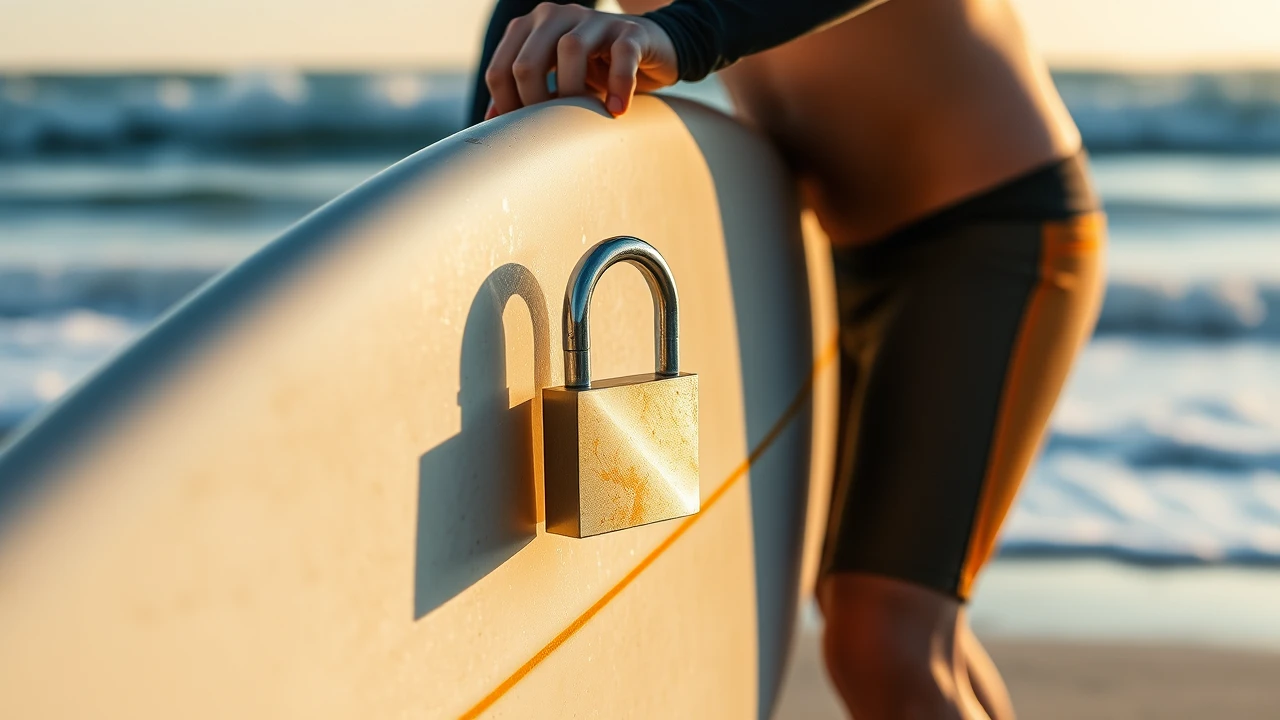
For surfers, their gear is more than just equipment—it’s an investment and a vital part of their lifestyle. From expensive surfboards and wetsuits to beach lockers, protecting these items from theft and environmental damage is a constant concern. Fortunately, specialized padlocks designed specifically for marine and outdoor conditions offer a practical solution. In this article, we explore real-world experiences of surfers who safeguarded their gear with corrosion-resistant, heavy-duty locks, and share insights to help you choose the right padlock for your needs.
Understanding the Challenge: Protecting Surf Gear by the Shore
Surf spots are often bustling with people, and while the ocean offers freedom, it also presents security risks. Leaving gear unattended on the beach or in shared lockers can invite theft. Additionally, the harsh marine environment—salt spray, sand, humidity, and fluctuating temperatures—can quickly degrade ordinary locks, making them unreliable over time.
Surfers need locking solutions that are:
- Corrosion-resistant to combat saltwater damage
- Robust and heavy-duty to deter tampering or forced entry
- User-friendly to allow quick access between sessions
- Portable and lightweight enough to carry comfortably
Many standard padlocks fail to meet these requirements, which is why specialized gear locks have become increasingly popular.
Real Stories: Surfers Who Relied on Specialized Padlocks
Story 1: Securing a Surf Locker in a Busy Beach Town
A seasoned surfer in Southern California shared how he used a marine-grade combination padlock to secure his beach locker during summer weekends. With dozens of surfers sharing the facility, theft was a real concern. The lock’s corrosion-resistant stainless steel body and weatherproof design meant it withstood daily exposure to salt air and occasional rainstorms without rusting or jamming.
The surfer appreciated the resettable combination feature, which allowed him to change the code regularly for added security. This flexibility helped him feel confident leaving his wetsuit and board accessories inside the locker, even when stepping away for hours.
Story 2: Protecting a Stand-Up Paddleboard on a Remote Shoreline
Another water sports enthusiast recounted an experience paddling on a remote coastline where theft wasn’t common but environmental conditions were harsh. After a windy session, the user would secure the paddleboard to a fixed post with a heavy-duty keyed padlock designed for marine use.
The lock’s robust shackle and body resisted sand abrasion and saltwater spray, maintaining smooth key operation over months of exposure. The user highlighted how the lock’s compact size made it easy to carry in a dry bag, ensuring security without adding bulk.
Story 3: Preventing Theft at a Popular Surf Spot
A group of friends who often surfed crowded beaches in Florida used corrosion-resistant combination locks to secure their surfboards chained to fixed racks provided by the local surf club. The locks featured weatherproof seals protecting the internal mechanism from sand and moisture.
One surfer noted that the ease of sharing the combination among the group reduced the hassle of coordinating keys while still preventing unauthorized access. The heavy-duty construction gave them peace of mind during long surf sessions.
Choosing the Right Padlock for Surf Gear Protection
Based on these experiences, here are key factors to consider when selecting a padlock for your surf gear:
1. Corrosion Resistance Is Essential
Saltwater and coastal air accelerate rust and corrosion. Look for locks made from materials like stainless steel, brass, or specially coated alloys. Weatherproof seals and protective covers also extend the lifespan of internal components.
2. Keyed vs. Combination Mechanisms
-
Keyed Padlocks: Offer straightforward operation and a traditional level of security. Keys can be lost, but these locks often provide stronger resistance against picking and accidental resets.
-
Combination Padlocks: Eliminate the need to carry keys and allow easy sharing of access. Resettable combinations add flexibility but may require more careful handling to avoid accidental code changes or forgetting the sequence.
Choosing between these depends on your personal preference, convenience, and how you intend to share access with others.
3. Heavy-Duty Construction for Security
Look for thick shackles (the U-shaped part) and reinforced lock bodies. Hardened steel shackles resist cutting and sawing attempts, while robust casings protect against impact and prying.
4. Weatherproof and Dustproof Design
Locks used outdoors should have features like rubber or plastic covers over keyholes, sealed dials, and drainage holes to prevent moisture buildup. These design elements prevent freezing in cold conditions and jamming from sand intrusion.
5. Portability and Ease of Use
Surfers often carry multiple items, so a lock should be lightweight yet sturdy. Combination locks with large, easy-to-turn dials or keyed locks with smooth keyways improve usability when hands are wet or sandy.
Tips for Securing Surf Gear Effectively
- Anchor Your Gear Properly: Always secure boards or bags to immovable objects like heavy posts or fixed racks using a durable chain or cable with the padlock.
- Keep Combinations or Keys Safe: Store access codes or keys in waterproof cases or secure pockets to prevent loss.
- Regularly Inspect Your Lock: Check for signs of wear, corrosion, or damage, especially after extended exposure to saltwater.
- Consider Multiple Locks: For high-value gear, using more than one lock can increase deterrence.
- Choose Location Wisely: Whenever possible, leave gear in well-populated, visible areas to discourage opportunistic theft.
Maintaining Your Padlock for Long-Term Performance
Even the best marine locks require routine care:
- Rinse your lock with fresh water after exposure to saltwater to wash away corrosive residues.
- Lubricate moving parts periodically with a silicone-based lubricant designed for locks.
- Avoid forcing the mechanism; if it sticks, clean and lubricate rather than applying excessive force.
- Store locks in dry places when not in use to prolong lifespan.
Conclusion
Protecting surf gear in coastal environments demands specialized security solutions designed to endure tough conditions. Real surfers’ stories highlight the importance of corrosion-resistant, heavy-duty padlocks with user-friendly features like keyed or combination mechanisms. By understanding the key considerations—material durability, locking type, weatherproofing, and practicality—you can make informed decisions that keep your valuable equipment safe and accessible.
Whether you’re a casual beachgoer or a dedicated wave rider, investing in the right padlock tailored for marine environments provides peace of mind so you can focus on enjoying your time on the water.