
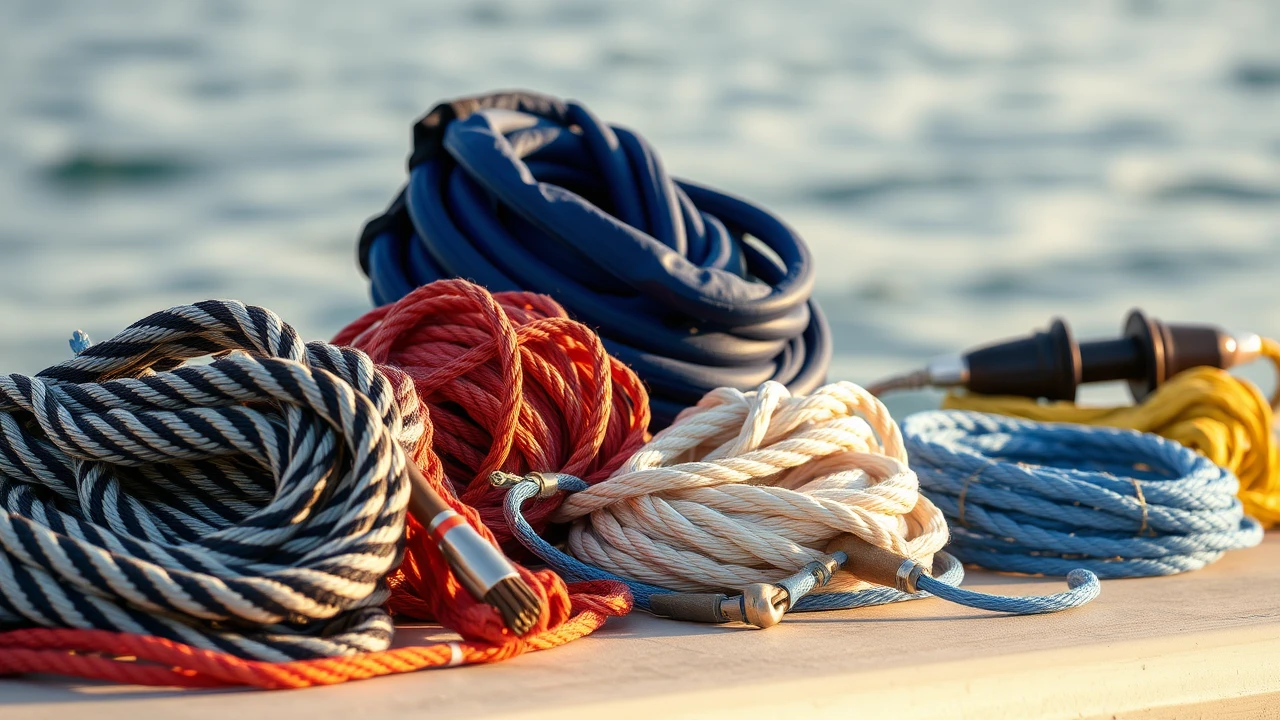
Choosing the right rope or hardware cable can be a critical decision, especially when safety, durability, and environmental impact are on the line. Whether you’re a water sports enthusiast, a boater, or a rescue professional, understanding the differences between various ropes and cables will empower you to select the best product for your needs. This article offers a head-to-head comparison of the key types and styles within the Ropes & Hardware Cable category, focusing on marine, water sports, rescue, and docking applications.
Understanding the Core Categories of Ropes & Hardware Cable
Before diving into the specifics, it’s important to recognize the primary sub-categories that define this product segment:
- Wakeboard and Water Ski Ropes
- Tow Ropes for Inflatable Tubes
- Anchor Lines for Boating
- Docking Ropes
- Rescue Ropes for Emergency Services
Each category is tailored with unique features to meet activity-specific demands. We’ll explore how materials, construction, and design vary to suit these diverse applications.
Materials Matter: Nylon, Polypropylene, Polyester & Braided Polyethylene
One of the most fundamental differences between ropes lies in their material composition. The choice of material influences strength, buoyancy, abrasion resistance, UV stability, and environmental impact.
Nylon
- Strength & Stretch: Nylon ropes boast excellent tensile strength (up to 2,500 lbs) and elasticity, which provides shock absorption during towing or rescue operations.
- Abrasion Resistance: High abrasion resistance makes nylon ideal for heavy-duty use such as docking or anchoring.
- Water Absorption: Nylon tends to absorb water, making it heavier when wet and slower to dry.
- Applications: Preferred for wakeboard and water ski ropes where shock load absorption is vital.
Polypropylene
- Buoyancy: Polypropylene ropes float naturally, which enhances safety by preventing entanglement and loss in water.
- Lightweight: These ropes are light and quick-drying.
- UV Resistance: Moderate UV resistance — prolonged sun exposure can degrade fibers.
- Applications: Commonly used for tow ropes on inflatable tubes and recreational water sports requiring floating lines.
Polyester
- UV & Abrasion Resistance: Polyester offers superior UV stability and abrasion resistance, maintaining integrity over extended outdoor use.
- Low Stretch: Minimal stretch makes it excellent for anchoring and docking applications where stability is critical.
- Water Resistance: Does not absorb water and dries quickly.
- Applications: Ideal for anchor lines and docking ropes that must endure harsh marine environments.
Braided Polyethylene
- Durability & Strength: Braided polyethylene combines high strength with excellent abrasion and UV resistance.
- Buoyancy: Many braided polyethylene ropes float or partially float.
- Eco-Friendly Options: Often available with biodegradable coatings or recyclable components.
- Applications: Increasingly favored in rescue ropes and high-performance water sports lines.
Floating vs. Non-Floating Ropes: Safety and Performance Trade-offs
Floating capability is a pivotal feature that can influence rope selection. Let’s compare these two:
Floating Ropes
- Safety: Floating ropes stay on the water’s surface, reducing the risk of entanglement and making retrieval easier.
- Visibility: Often manufactured in high-visibility colors, enhancing safety during rescue or water sports.
- Materials: Typically made from polypropylene or braided polyethylene.
- Use Cases: Tow ropes for inflatable tubes, rescue ropes, and some water sports lines.
Non-Floating Ropes
- Durability: Usually made from nylon or polyester, these ropes sink or stay submerged.
- Strength: Tend to have higher tensile strength and better abrasion resistance.
- Applications: Anchor lines and docking ropes where rope weight helps maintain tension and position underwater.
Ergonomic Handles and Safety Features: Enhancing User Experience
Modern ropes increasingly incorporate ergonomic design elements to improve comfort, grip, and safety:
- EVA Foam or Rubber Handles: Provide soft, non-slip grips that reduce hand fatigue during extended use, critical in wakeboarding and water skiing.
- Reinforced Loops: Double or triple-stitched loops improve durability and tensile strength at connection points.
- Quick-Release Mechanisms: Vital for rescue ropes and towing lines, enabling rapid detachment in emergencies.
- Compact Storage Solutions: Included storage bags or spools keep ropes tangle-free and portable for travel.
Length, Thickness & Tensile Strength: Matching Rope Specs to Activities
Rope specifications vary widely to meet different performance requirements:
| Application | Typical Length | Diameter (Thickness) | Tensile Strength |
|---|---|---|---|
| Wakeboard & Water Ski | 50-75 feet | 6-8 mm | Up to 1,800 lbs |
| Tow Ropes (Inflatables) | 25-50 feet | 6-10 mm | 1,000-1,500 lbs |
| Anchor Lines | 50-100 feet | 8-12 mm | Up to 2,500 lbs |
| Docking Ropes | 25-100 feet | 8-12 mm | 1,500-2,500 lbs |
| Rescue Ropes | 30-75 feet | 8-12 mm | 2,000-2,500 lbs |
Selecting the right dimensions ensures safety and optimal performance—for example, a thinner rope may be easier to handle but might not withstand heavy loads.
Environmental Responsibility: Sustainable Manufacturing and Materials
Eco-conscious manufacturing is a growing priority in this category:
- Biodegradable Coatings: Some ropes feature coatings that break down naturally, reducing environmental impact.
- Recyclable Components: Use of recyclable synthetic fibers helps minimize plastic waste.
- Sourcing: Manufacturers increasingly source raw materials responsibly, supporting sustainable practices.
- Durability Equals Sustainability: Longer-lasting ropes reduce replacement frequency, lowering overall environmental footprint.
Consumers seeking environmentally friendly options should look for certifications and product descriptions highlighting these green features.
Use Case Spotlight: Choosing the Right Rope for Your Activity
Water Sports Enthusiasts
- Opt for nylon or braided polyethylene wakeboard ropes with ergonomic EVA foam handles for comfort.
- Lengths of 50-75 feet with tensile strengths around 1,500 lbs suit most recreational needs.
- Floating ropes improve safety during falls.
Boaters (Anchoring & Docking)
- Select polyester anchor lines for minimal stretch and UV resistance.
- Docking ropes should be thick (10-12 mm) with reinforced loops for secure mooring.
- Non-floating ropes help maintain underwater stability.
Rescue Professionals
- High-visibility braided polyethylene rescue ropes with quick-release mechanisms and reinforced loops are essential.
- Ropes should meet strict certifications such as TÜV, ISO, or CE to ensure reliability.
- Length and strength vary by operation, but safety and durability are paramount.
Maintenance Tips for Prolonged Rope Life and Safety
Proper care extends rope lifespan and maintains safety compliance:
- Rinse with Fresh Water: After use in saltwater, rinse ropes thoroughly to prevent salt buildup and fiber degradation.
- Avoid Prolonged Sun Exposure: Store ropes in shaded, dry areas to reduce UV damage.
- Inspect Regularly: Check for fraying, cuts, or weakened fibers; replace rope if damaged.
- Dry Before Storage: Store ropes dry to prevent mold and mildew.
- Follow Manufacturer Guidelines: Adhere to weight limits and usage recommendations.
Conclusion
Navigating the variety of ropes and hardware cables can be complex, but understanding key differences in materials, design, and application helps ensure you select a rope that delivers safety, durability, and performance. Whether you need a floating tow rope for tubing, a sturdy polyester anchor line, or a high-visibility rescue rope with quick-release features, matching rope characteristics to your activity’s demands is essential.
With increasing attention to eco-friendly production and ergonomic innovations, today’s ropes not only perform better but also align with values of sustainability and user safety. Armed with this knowledge, you can confidently evaluate options and choose ropes that will serve you reliably on the water for years to come.