
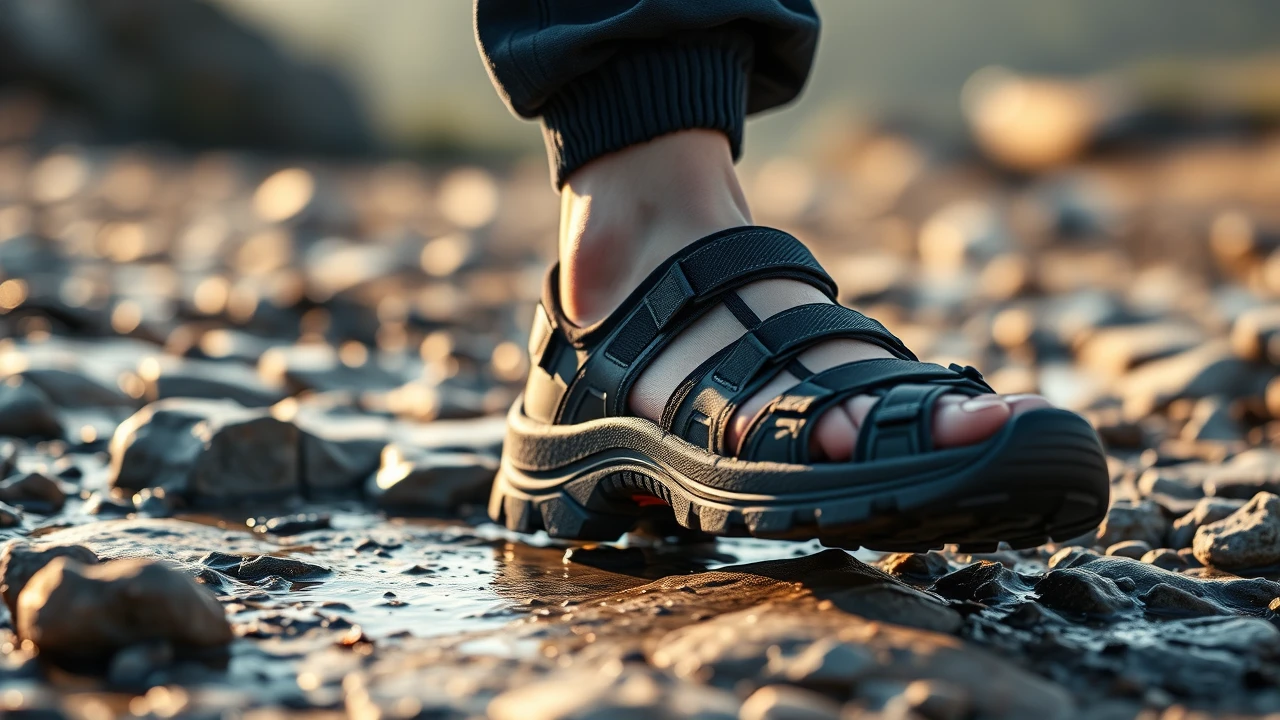
When it comes to choosing the perfect pair of sandals, safety is often an overlooked aspect compared to style or comfort. However, selecting sandals equipped with the right safety features can significantly enhance your walking experience, prevent injuries, and provide peace of mind—whether you’re walking on slippery urban streets, exploring rugged trails, or relaxing by the pool. From non-slip soles to impact resistance and protective designs, understanding these features will help you make well-informed decisions aligned with your lifestyle and activities.
In this article, we’ll explore the key safety features to look for in sandals, why they matter, and how they contribute to a secure and comfortable fit for various occasions.
Why Safety Features Matter in Sandals
Unlike closed shoes, sandals expose more of your feet, which can increase vulnerability to slips, impacts, and abrasions. While sandals are popular for their breathability and ease of wear, safety considerations are crucial for:
- Preventing slips and falls on wet or uneven surfaces
- Absorbing shocks to reduce foot fatigue and injury
- Protecting toes and arches from accidental bumps or debris
- Supporting foot health during prolonged wear or physical activities
Whether you are an outdoor enthusiast, traveler, or casual wearer, incorporating safety features into your sandal choice ensures your feet stay protected without sacrificing comfort or style.
Key Safety Features to Look For
1. Non-Slip Soles
One of the most essential safety attributes in sandals is a sole that provides excellent traction. Non-slip soles are designed with specialized tread patterns and rubber compounds that grip various surfaces, reducing the risk of slipping on wet, oily, or uneven terrain.
- Tread Design: Look for deep, multi-directional lugs or grooves that channel water away and enhance ground contact.
- Rubber Compounds: Soles made from durable rubber or EVA blends often provide better slip resistance compared to harder plastic soles.
- Testing Certifications: Some sandals carry certifications such as ASTM slip resistance ratings, indicating tested and proven grip on different surfaces.
Non-slip soles are especially critical for hiking sandals, water-friendly designs, and sandals intended for urban environments where slick sidewalks or rainy conditions are common.
2. Impact Resistance and Cushioning
Impact resistance refers to the sandal’s ability to absorb shocks from walking or running on hard, uneven surfaces, which protects your feet and joints from stress. This feature is particularly important for those who spend long hours on their feet or engage in outdoor activities.
- Cushioned Footbeds: Materials like EVA foam or memory foam provide responsive cushioning that reduces pressure on the heel and ball of the foot.
- Shock-Absorbing Midsole: Some sandals include specialized midsoles engineered to disperse impact forces evenly.
- Ergonomic Design: Arch support and heel cups help stabilize the foot, further reducing impact strain.
Choosing sandals with good impact resistance can prevent common foot problems such as plantar fasciitis, heel pain, and general fatigue.
3. Protective Toe Caps and Closed-Toe Designs
For outdoor adventures or environments with rocks, roots, or rough surfaces, closed-toe sandals or those with reinforced toe caps offer additional protection.
- Toe Caps: Made from rubber or synthetic materials, these caps shield your toes from stubbing and abrasions.
- Closed-Toe Sandals: These designs combine breathability with coverage, ideal for hiking, trail walking, or work environments where foot safety is a priority.
Though open-toe sandals are popular for casual wear, considering toe protection enhances your safety during more demanding activities.
4. Adjustable and Secure Straps
A secure fit is fundamental to safety. Sandals with adjustable straps allow you to customize the fit around your foot and ankle, preventing slippage and improving stability.
- Hook-and-Loop Closures: Easy to adjust and secure, these straps provide a snug fit.
- Buckle Fastenings: Offer durable and precise adjustment options.
- Multiple Strap Points: Sandals with several adjustable points (across the toes, instep, and heel) keep the foot firmly in place.
Proper strap adjustment helps avoid blisters, reduces the chance of tripping, and supports natural foot movement.
5. Water-Resistant and Quick-Dry Materials
Wet conditions can compromise safety by making soles slippery and causing discomfort. Sandals crafted from waterproof or quick-dry materials maintain their protective qualities even when exposed to water.
- Synthetic Leather and Neoprene: Resist water absorption and dry quickly.
- EVA and Rubber Components: Often used in soles to maintain grip when wet.
- Breathable Mesh Fabrics: Promote airflow to prevent moisture buildup and odors.
These materials ensure that your sandals remain safe and comfortable during beach trips, river crossings, or rainy weather.
6. Anti-Chafing and Odor-Resistant Features
While not often categorized strictly as safety features, materials and designs that prevent chafing and odor contribute to overall foot health.
- Smooth, Seamed Interiors: Reduce friction points that cause blisters.
- Antimicrobial Treatments: Inhibit bacteria and fungi that cause odors and infections.
- Breathability: Proper ventilation keeps feet dry, reducing skin irritation.
Healthy feet are less prone to injuries, infections, and discomfort, making these features important for long-term safety.
Additional Considerations for Safety and Comfort
Certifications and Quality Testing
Look for sandals that meet recognized safety and quality standards, such as ISO, ASTM, CE, or TÜV certifications. These indicate that products have undergone rigorous testing for durability, slip resistance, and material safety.
Durability and Eco-Friendly Construction
Sustainably manufactured sandals often use recycled or synthetic materials designed for longevity. Durable sandals maintain their safety features longer, ensuring consistent protection even after extended use.
Portability and Versatility
Features like foldability and lightweight construction enhance convenience without compromising safety. A sandal that fits easily into your travel bag yet offers strong grip and support can be invaluable for adventures on the go.
Conclusion
Choosing sandals with the right safety features is essential for protecting your feet across a wide range of activities and environments. Prioritizing non-slip soles, impact resistance, toe protection, adjustable straps, and water-resistant materials will help you stay secure and comfortable whether you're navigating city streets, hiking rugged trails, or lounging by the water.
By understanding these safety aspects and how they contribute to foot health and injury prevention, you can confidently select sandals that not only complement your style but also keep you safe throughout every step of your journey.