
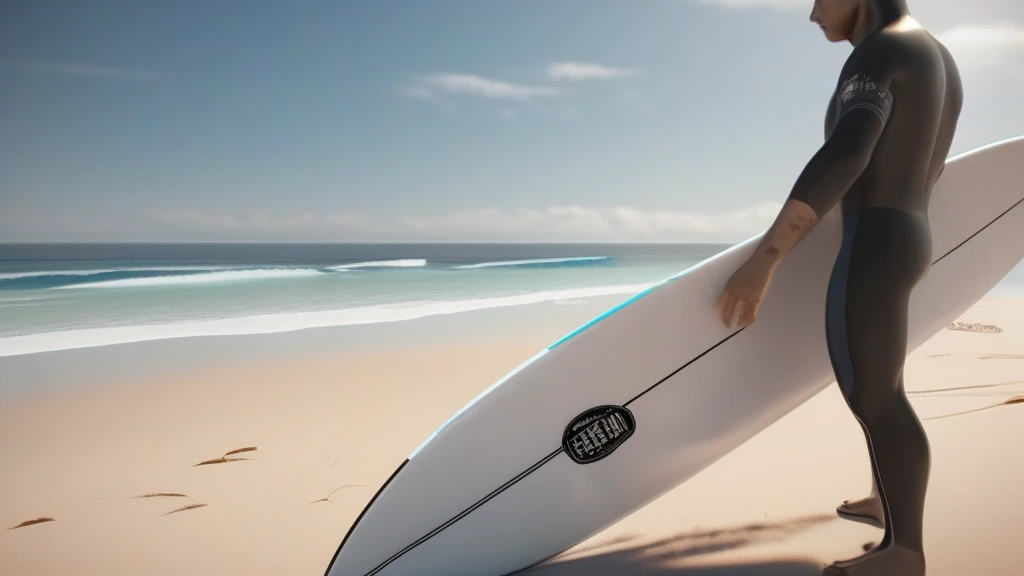
Shortboard surfing is a thrilling pursuit that demands precision, agility, and confidence on the waves. For surfers focused on high-performance maneuvers and quick turns, a well-designed shortboard is essential. Yet, beyond design and performance, safety should always be a top priority. Understanding the key safety certifications and features available in today’s shortboard surfboards can help surfers—from intermediate riders honing their freestyle skills to advanced athletes competing at high levels—make informed decisions that protect them and enhance their experience.
In this article, we’ll explore the critical safety-related certifications and features found in modern shortboard surfboards, why they matter, and how they contribute to a safer, more enjoyable surfing session.
Why Safety Matters in Shortboarding
Shortboarding typically involves riding short to medium-sized waves with boards designed for rapid maneuvers and high speeds. This style puts surfers closer to the water’s surface, increasing the risk of collisions, wipeouts, or injury from the board itself. A shortboard can be as much a tool for control as it is a potential hazard if not constructed or equipped with safety in mind.
Safety features don’t just protect the surfer—they also enhance durability, board handling, and confidence in challenging wave conditions. Choosing boards that meet recognized safety standards and incorporate innovative protective features can significantly reduce risks.
Key Safety Certifications to Look For
When evaluating shortboard surfboards, it’s important to understand the certifications that indicate compliance with international safety and quality standards. These certifications ensure the board has been tested for structural integrity, material safety, and manufacturing quality.
ISO (International Organization for Standardization)
ISO certification confirms that a surfboard meets global quality and safety benchmarks. For shortboards, ISO standards typically assess:
- Material strength: Resistance to impact and pressure
- Structural stability: Integrity under stress from waves or collisions
- Non-toxic materials: Safe resins and foams without harmful chemicals
Boards carrying ISO certification provide assurance that they’ve passed rigorous testing and are less likely to fail unexpectedly in demanding conditions.
CE Marking (Conformité Européenne)
The CE mark is a mandatory certification for products sold within the European Economic Area and indicates conformity with health, safety, and environmental protection standards. For surfboards, CE certification covers aspects such as:
- Safe use of materials and coatings
- Design features that minimize injury risks
- Compliance with environmental regulations
Surfers choosing CE-marked boards can expect products vetted for safety and sustainability.
TÜV Certification
TÜV is an independent German organization specializing in product testing and certification. TÜV-certified surfboards have undergone:
- Comprehensive durability and impact tests
- Verification of anti-slip surfaces to prevent falls
- Assessment of fin attachment security to avoid accidents
This certification is especially valuable for shortboards designed for high-performance use, where safety under stress is critical.
Essential Safety Features in Shortboard Surfboards
Beyond certifications, several design elements and features play a vital role in safeguarding surfers and enhancing comfort on the water.
Lightweight, Durable Construction
Modern shortboards are often made with advanced materials such as epoxy, fiberglass, carbon fiber, and polyurethane foam. These materials combine lightweight performance with exceptional durability, reducing the risk that the board will break or splinter during high-impact maneuvers or collisions.
Durability also prevents sharp edges or cracks that can cause cuts or injuries. Boards constructed with reinforced layers and scratch-resistant surfaces are safer and last longer.
Anti-Slip Decks
Shortboards frequently incorporate textured or padded decks to improve grip. Anti-slip surfaces reduce the chance of the surfer’s feet sliding unexpectedly, especially in wet conditions, helping maintain balance and control during fast turns and tricks.
This feature is critical for safety as it minimizes wipeouts caused by slipping.
Secure Fin Systems
Fins provide directional control and stability but can pose injury risks if they detach or break during use. Quality shortboards feature secure fin attachment systems—such as screw-in or box systems—that keep fins firmly in place while allowing easy removal for transport.
Some boards include flexible or foldable fins designed to reduce injury risk in the event of contact with the surfer or others.
Safety Leashes
While often sold as accessories, safety leashes are an integral part of the overall surfing setup. A leash keeps the board connected to the surfer, preventing runaway boards that can injure others or cause the surfer to be stranded.
Look for boards that come with durable, tangle-resistant leashes featuring quick-release mechanisms for emergency situations.
Rounded or Optimized Tail Shapes
Tail shapes such as squash, swallow, or round tails affect maneuverability and control. Some designs also reduce sharp edges that could cause injury during wipeouts or close interactions with other surfers.
Choosing tail shapes that balance performance with safety considerations is important for intermediate and advanced riders alike.
Environmental Safety and Sustainability
An emerging aspect of safety in shortboard surfing is environmental responsibility. Many manufacturers now use:
- Biodegradable coatings
- Recyclable components
- Sustainable manufacturing processes
These eco-friendly practices minimize chemical exposure for surfers and reduce environmental harm, preserving the oceans where surfing takes place. Choosing boards with environmentally conscious certifications can contribute to both personal and ecological safety.
Practical Tips for Maintaining Safety with Your Shortboard
Even the safest board can pose risks if not properly maintained. Consider these practical tips:
- Regularly inspect for cracks, dings, or loose fins and repair promptly.
- Apply surf wax consistently to maintain grip on the deck.
- Store your board in padded bags during travel to prevent damage.
- Check leash integrity before every session.
- Use board socks or covers when transporting to protect surfaces and prevent injuries from sharp edges.
Final Thoughts
Safety is a foundational consideration for every shortboard surfer, whether just progressing beyond beginner levels or competing at advanced stages. By understanding the significance of certifications like ISO, CE, and TÜV, and by choosing boards with thoughtful safety-enhancing features such as durable construction, anti-slip decks, secure fins, and eco-conscious materials, surfers can enjoy their time on the water with greater peace of mind.
Informed decisions that prioritize safety, durability, and sustainability not only protect you but also elevate your overall surfing experience—allowing you to focus on mastering those fast, agile moves that make shortboarding so exhilarating.