
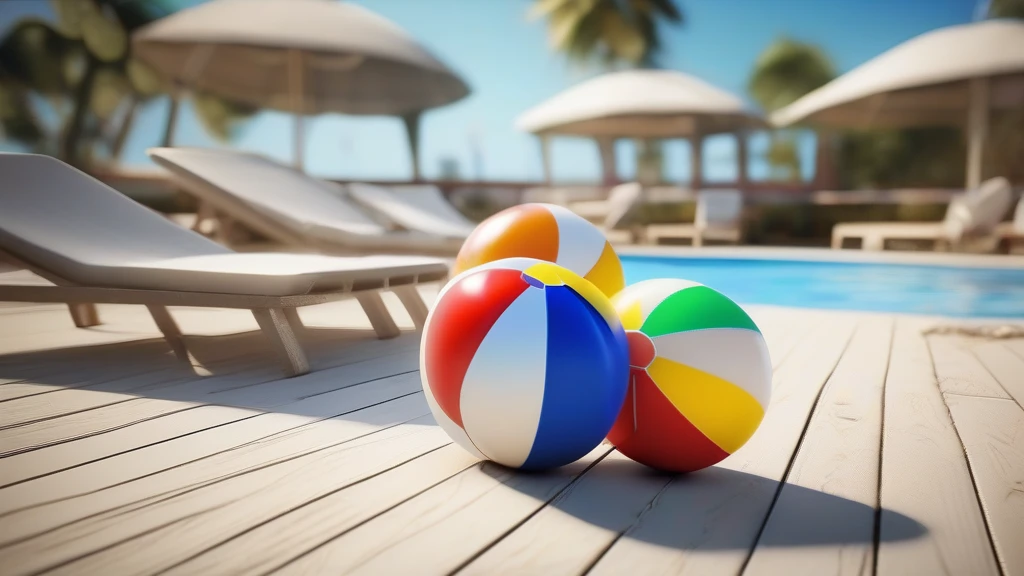
Beach balls are a timeless staple of outdoor fun, bringing joy to beachgoers, pool enthusiasts, families, and party groups alike. Their vibrant colors, lightweight portability, and buoyant design make them perfect for a wide range of activities—from casual toss games to lively pool parties. However, the ideal beach ball for your needs can vary depending on the season, weather conditions, and intended use. This seasonal guide will help you navigate the best choices for beach balls throughout the year, focusing on materials, features, and safety considerations to maximize your enjoyment no matter the season.
Understanding Beach Balls: Key Features to Consider Year-Round
Before diving into seasonal specifics, it’s important to understand the core characteristics that define quality beach balls:
- Materials: Durable, waterproof materials such as PVC, nylon, neoprene, rubber, and eco-friendly plastics are commonly used. Look for UV-resistant and tear-resistant coatings to ensure longevity under sun and water exposure.
- Size Options: Mini beach balls (~12 inches) are ideal for children and group games, while jumbo variants (~48 inches) are suited for adults and party settings.
- Inflation Systems: Many beach balls feature dual-valve systems and quick inflation designs compatible with manual or electric pumps, often including repair patches and storage bags.
- Safety Certifications: Certifications like CE EN 1077, ASTM F2040, TÜV, and ISO indicate compliance with safety standards, especially important for children’s toys.
- Additional Features: Glow-in-the-dark or LED light-up options enhance nighttime play, while anti-slip or textured surfaces improve grip in wet conditions.
- Environmental Responsibility: Eco-friendly manufacturing and recyclable components are increasingly common, reflecting consumer preference for sustainable products.
Spring and Summer: Optimal Warm-Weather Beach Balls
Materials and Durability for Intense Sun Exposure
Spring and summer are peak seasons for beach balls. The sunny weather and outdoor activities demand balls made from UV-resistant PVC or nylon that can withstand prolonged exposure to sunlight without fading or degrading. Look for tear-resistant coatings to handle rough play on sand and pool surfaces.
Size and Design for Active Play
During these seasons, larger beach balls (~24 to 48 inches) are popular for pool parties, beach volleyball, and relay races. Their buoyant, lightweight construction enhances water play, while multi-colored panels add visual excitement. For family outings, consider mini beach balls that are easy to carry and safe for young children.
Enhanced Features for Daytime Fun
Anti-slip or textured surfaces prevent the ball from slipping out of wet hands, making them ideal for water volleyball or casual toss games. Many models include child-safe, non-toxic coatings, ensuring safe handling for kids who might inadvertently mouth the ball.
Fall: Transitioning to Cooler Weather and Indoor Play
Emphasizing Portability and Storage
As outdoor temperatures begin to drop, the focus shifts to easy storage and portability. Beach balls with quick inflation/deflation systems and included storage bags become especially valuable. Compact mini sizes are perfect for indoor play in community centers or gyms.
Durable Materials for Variable Weather
Fall weather can be unpredictable, with rain and wind. Beach balls made from neoprene or rubber composites offer additional durability and grip in damp conditions. These materials also retain flexibility in cooler temperatures, preventing cracks or brittleness.
Glow-in-the-Dark and LED Features for Early Dusk
With shorter daylight hours, glow-in-the-dark or LED-lit beach balls provide extended playtime opportunities into the evening. These features are perfect for backyard parties or early evening beach outings, adding a fun, safe element to low-light environments.
Winter: Indoor and Specialty Beach Ball Use
Indoor-Friendly Beach Balls
In colder climates, beach balls are often used indoors during winter months. Opt for smaller, lightweight balls with soft, textured surfaces to prevent damage to walls and furniture. Non-toxic and safety-certified products ensure peace of mind when used around children.
Eco-Friendly and Sustainable Choices
Winter is a great time to focus on sustainability. Many beach balls now feature eco-conscious manufacturing with recyclable plastics and reduced chemical use. These models appeal to environmentally aware families looking to minimize their footprint year-round.
Specialty Play and Exercise
Some beach balls designed for winter use double as exercise balls or balance trainers, made from thicker materials like neoprene and rubber for enhanced durability. This versatility makes them an excellent choice for staying active indoors while still enjoying the playful spirit of beach balls.
Year-Round Beach Ball Selection Tips
1. Check Inflation Options and Accessories
Choose beach balls with dual-valve systems for easy inflation and deflation. Consider compatibility with both manual and electric pumps, and look for included repair patches and storage bags to extend the product’s life.
2. Prioritize Safety Certifications
Always verify that the beach ball meets recognized safety certifications (e.g., CE EN 1077, ASTM F2040). These certifications confirm that the materials and construction adhere to strict safety standards, particularly important for children’s toys.
3. Match Size to User and Activity
- Mini Beach Balls (~12 inches): Best for toddlers and children’s group games.
- Standard Beach Balls (~16-24 inches): Versatile for family outings and casual play.
- Jumbo Beach Balls (~36-48 inches): Ideal for party environments and adult activities.
4. Assess Material and Environmental Impact
If sustainability matters to you, seek out models made from eco-friendly plastics or those with recyclable components. Durable materials like PVC with UV-resistant coatings prolong usability and reduce waste.
5. Consider Additional Features for Enhanced Fun
- Glow-in-the-dark and LED lighting for evening and night play.
- Anti-slip or textured surfaces for improved grip in wet or humid conditions.
- Vibrant, multi-colored panels to increase visibility and appeal.
Practical Maintenance and Storage
To keep your beach ball in top condition across seasons:
- Clean regularly with mild soap and water to remove sand, salt, and debris.
- Avoid over-inflation to prevent seams from bursting.
- Store deflated in a cool, dry place away from direct sunlight.
- Use included repair patches promptly if punctured.
- Inspect valves and seams routinely for wear.
Conclusion
Choosing the right beach ball for every season enhances your outdoor and indoor recreational experiences. Whether it’s a UV-resistant jumbo ball for summer beach parties, a glow-in-the-dark model for fall evenings, or a compact, eco-friendly ball for winter indoor fun, understanding the key features and seasonal considerations ensures your beach ball is both safe and enjoyable year-round. By prioritizing material durability, size appropriateness, safety certifications, and added features, you can confidently select beach balls that provide endless fun for the whole family, whatever the season.