
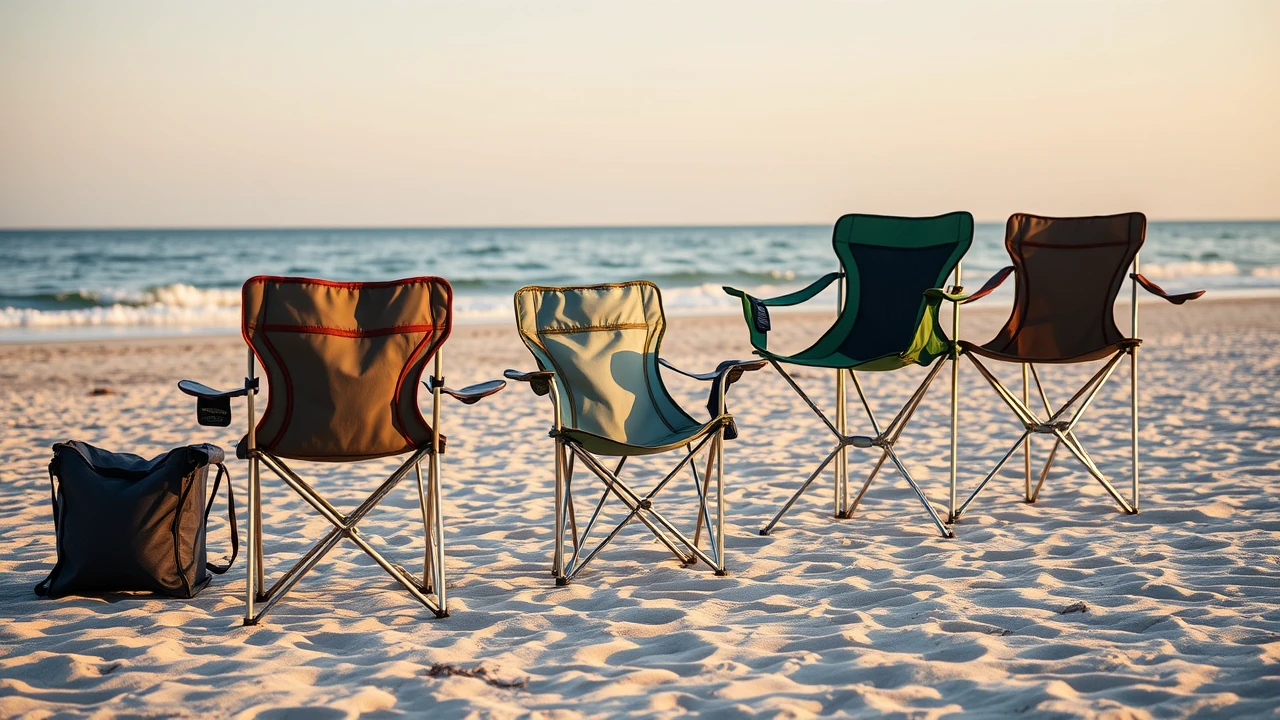
When it comes to outdoor relaxation, having the right chair can transform your experience—whether you’re soaking up the sun at the beach, camping in the wilderness, fishing by the lake, or enjoying a family picnic. Selecting the best portable outdoor chair involves not just comfort but also considerations of weather, durability, portability, and special features that enhance convenience. This guide explores how to choose the ideal chair for every season, focusing on essential characteristics and design elements that suit various outdoor lifestyles year-round.
Understanding Outdoor Chairs: Core Features and Materials
Before diving into seasonal specifics, let’s review the common features that define quality portable outdoor chairs:
-
Frame Materials: Most chairs utilize foldable aluminum or rustproof steel frames. Aluminum offers lightweight durability and corrosion resistance, ideal for humid or coastal environments. Steel frames provide robust support but require rustproof coatings for longevity.
-
Seating Fabrics: Chairs typically feature UV-resistant, waterproof, and quick-drying polyester or nylon. Many incorporate breathable mesh panels that enhance airflow, critical during warmer months to prevent overheating.
-
Portability Features: Lightweight construction, compact fold dimensions, backpack straps, telescoping handles, and padded grips make transport effortless, especially important for camping or hiking trips.
-
Ergonomics and Comfort: Adjustable recline positions, built-in pillows or footrests, and supportive designs ensure long-lasting comfort.
-
Extras: Integrated cup holders, storage pouches, sunshade canopies, and coolers add practicality and convenience.
Understanding these fundamentals helps tailor your chair choice to seasonal demands and specific outdoor activities.
Spring and Summer: Lightweight Comfort and Sun Protection
Spring and summer are peak seasons for beach outings, picnics, and fishing excursions. The focus here is on breathability, UV protection, and portability.
Ideal Chair Features for Warm Weather
-
Breathable Fabrics: Chairs with mesh panels allow air circulation, reducing sweat and heat buildup during hot days. Polyester or nylon fabrics with UV-resistant coatings protect against sun damage and fading.
-
Sunshade Canopies: Integrated sunshades or attachable umbrellas provide crucial UV protection, especially for children or extended outdoor stays.
-
Lightweight and Foldable: Aluminum frames combined with compact fold designs ensure chairs are easy to carry to the beach or park. Backpack-style chairs free your hands and distribute weight evenly, ideal for hikes or long walks.
-
Built-in Coolers and Cup Holders: These features keep beverages chilled and within reach, perfect for picnics or beach lounging.
Practical Tips
- Choose a chair with adjustable recline to switch between upright seating for socializing and a more reclined position for sunbathing.
- Look for waterproof fabrics to handle unexpected summer showers or damp environments near water.
- Ensure the chair has non-slip feet for stability on sandy or wet surfaces.
Fall: Durability and Versatility for Transitional Weather
As temperatures cool, outdoor chairs need to balance warmth retention with comfort and durability for camping or tailgating.
Key Considerations for Autumn Chairs
-
Robust Frame Construction: Rustproof steel frames excel in windy or damp conditions typical of fall, offering extra stability.
-
Insulating Fabrics and Padding: Chairs with thicker padding or insulated fabric layers help retain warmth. Breathable mesh remains useful but often balanced with more solid fabric panels.
-
Adjustable Recline and Footrests: These ergonomic features provide comfort during longer sit times, such as outdoor sporting events or around a campfire.
-
Storage Pouches: Useful for holding gloves, hats, or snacks when layering up for colder weather.
Practical Tips
- Opt for chairs with locking frame mechanisms to prevent accidental folding in gusty conditions.
- Choose models with wider seats and higher weight capacities for added comfort during extended use.
- Consider chairs with eco-friendly materials, as many manufacturers use sustainable processes that align well with outdoor enthusiasts’ values.
Winter: Weather Resistance and Portability for Cold Conditions
Winter outdoor activities like ice fishing or winter camping require chairs that withstand cold, moisture, and rough terrain while offering comfort.
Features to Look for in Winter Outdoor Chairs
-
Heavy-Duty Frames: Steel frames with anti-rust coatings provide sturdy support and resist wear from snow and ice.
-
Waterproof and Quick-Dry Fabrics: These materials prevent moisture buildup and dry quickly if exposed to snow or rain.
-
Compact and Lightweight Design: Portability remains critical, especially when carrying gear over snow or ice. Chairs with backpack straps or telescoping handles facilitate hands-free transport.
-
Ergonomic Support: Adjustable recline may be less used, but padded seats and high backrests help insulate and reduce cold exposure.
-
Safety Features: Non-slip feet and smooth edges minimize accidents on slick surfaces.
Practical Tips
- Pair your chair with insulated seat cushions or covers for extra warmth.
- Verify safety certifications like ASTM or TÜV to ensure the chair meets rigorous quality and safety standards, vital in challenging winter environments.
- Regular maintenance, such as drying the chair thoroughly after use and lubricating hinges, prolongs product life.
Year-Round Chairs: Versatility and Sustainability
For those seeking a single chair solution usable through all seasons, certain designs and features cater to diverse weather and activity conditions.
Characteristics of All-Season Outdoor Chairs
-
Hybrid Frame Materials: Combining aluminum and rustproof steel elements balances weight and durability.
-
Multi-Layer Fabrics: UV-resistant, waterproof outer layers with breathable mesh interiors provide comfort and protection year-round.
-
Adjustable Recline and Modular Accessories: Chairs that allow adding or removing sunshades, coolers, or storage pouches adapt to seasonal needs.
-
Eco-Friendly Construction: Chairs manufactured with sustainable materials and processes support environmental responsibility, a growing priority for outdoor consumers.
Practical Tips
- Select chairs with quick-dry fabrics for ease of maintenance regardless of season.
- Prioritize foldability and compactness for effortless storage and transport.
- Look for models accommodating moderate to heavy weight capacities (200-350 lbs) to ensure durability and comfort for all users.
Maintenance and Care Tips for Longevity
Proper care extends the life of your outdoor chair, preserving its functionality and appearance across seasons:
-
Regular Cleaning: Use mild soap and water to clean fabric surfaces. Avoid abrasive cleaners that degrade waterproof coatings.
-
Dry Thoroughly: After exposure to moisture, air-dry the chair fully before folding and storing to prevent mold and corrosion.
-
Lubricate Moving Parts: Periodically apply lubricant to hinges and locks to maintain smooth operation.
-
Store Properly: Keep chairs in a dry, shaded location when not in use. Use protective covers if stored outside.
-
Inspect for Damage: Check frames for rust or cracks and fabrics for tears. Address minor repairs promptly to avoid worsening issues.
Conclusion
Choosing the right portable outdoor chair involves understanding how different features and materials perform across seasons and activities. Lightweight aluminum frames and breathable, UV-resistant fabrics excel in summer, while rustproof steel and insulated designs suit colder months. Ergonomic adjustments, portability enhancements, and eco-friendly manufacturing increasingly define the best products on the market.
By considering these seasonal factors and product characteristics, outdoor enthusiasts—from casual beachgoers to avid campers and fishermen—can select chairs that offer comfort, convenience, and durability year-round. Proper maintenance further ensures your chair remains a trusted companion for countless outdoor adventures ahead.