
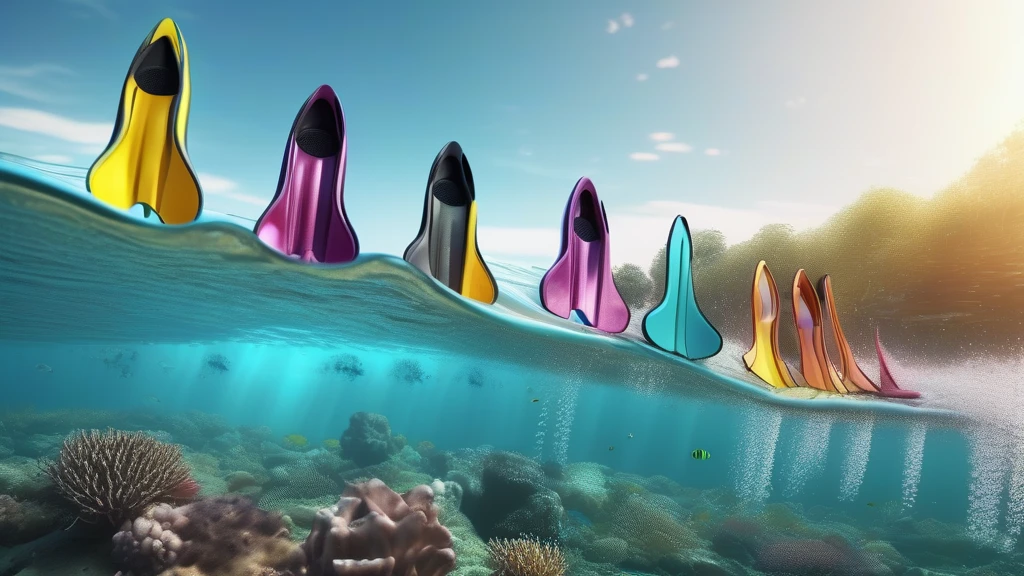
Diving and snorkeling fins are essential gear that can dramatically enhance your underwater experience by improving propulsion, comfort, and control. However, choosing the right fins isn’t just about picking the most powerful blade or the flashiest design—it’s about matching your fins to the season, water conditions, and your specific diving style. Different seasons bring varying water temperatures, visibility, and activity types, all of which influence the ideal fin characteristics. This comprehensive seasonal guide will help you select the best diving and snorkeling fins tailored for year-round enjoyment, whether you’re a casual snorkeler, a freediving enthusiast, or a technical diver.
Understanding Core Fin Features for Seasonal Adaptation
Before diving into seasonal recommendations, it's essential to understand the key fin features that affect performance and comfort across conditions:
- Blade Design: Options include split blades that reduce drag and fatigue, paddle blades for powerful kicks, vented blades for smooth water flow, and flexible blades for refined control.
- Foot Pocket Type: Open-heel designs with adjustable quick-release straps offer flexibility and are ideal for use with neoprene boots in colder water, while closed-heel pockets provide a snug, barefoot fit suited for warmer conditions.
- Materials: Lightweight and durable materials like carbon fiber and fiberglass provide stiffness and power, while thermoplastic rubber and silicone add flexibility and comfort.
- Adjustability & Fit: Adjustable heel straps or stretchable foot pockets ensure secure and ergonomic fits, crucial for both comfort and safety.
- Additional Features: Anti-slip soles for surface safety, UV resistance for durability, eco-friendly materials for sustainability, and travel-friendly foldable designs for portability.
Spring and Summer: Warm Water and Recreational Fun
Optimal Conditions
Spring and summer typically bring warmer water temperatures (above 75°F / 24°C), clearer visibility, and more casual snorkeling and diving outings. These seasons favor lightweight, comfortable fins designed for ease of use and all-day wear.
Recommended Fin Characteristics
- Closed-Heel Foot Pockets: Warm water allows for barefoot diving, so closed-heel fins with soft neoprene or silicone foot pockets offer a secure, snug fit without bulk.
- Paddle or Split Blades: Paddle fins provide solid propulsion for casual swimmers, while split blades reduce leg fatigue, ideal for longer surface swims or snorkeling excursions.
- Lightweight Materials: Thermoplastic rubber or flexible fiberglass blades reduce weight and enhance comfort, allowing you to swim with minimal effort.
- High-Visibility Colors: Bright blue, neon yellow, or orange fins improve underwater visibility and safety in crowded summer spots.
- Ventilation Features: Some fins include vented blades to channel water more efficiently, reducing resistance in warm waters.
Practical Example
A recreational snorkeler exploring coral reefs on a summer trip will benefit from closed-heel fins with flexible paddle blades made of thermoplastic rubber. The lightweight design ensures easy movement, and bright colors help companions spot them underwater.
Fall: Transitional Waters and Variable Conditions
Optimal Conditions
Fall often brings fluctuating water temperatures (60-75°F / 16-24°C) and changing visibility. Divers and snorkelers may need gear adaptable for both warm and cooler days, especially in temperate regions.
Recommended Fin Characteristics
- Open-Heel Foot Pockets: Adjustable open-heel fins paired with thin neoprene boots offer versatility to handle cooler water without sacrificing fit.
- Split or Channel-Thrust Blades: These designs optimize energy efficiency and propulsion, useful when currents pick up during fall seasons.
- Durability and Weatherproofing: Materials with UV protection and abrasion resistance help fins withstand rougher conditions and frequent use.
- Adjustable Sizing Systems: Quick-release buckles enable easy donning and doffing, especially when wearing gloves or boots.
- Moderate Blade Length: Medium-length blades balance power and maneuverability for varied underwater environments.
Practical Example
A technical diver exploring wrecks in autumn will appreciate adjustable open-heel fins with carbon fiber reinforced blades for powerful kicks in cooler, current-prone waters. The adjustable straps accommodate thick neoprene boots for thermal protection.
Winter: Cold Water and Technical Demands
Optimal Conditions
Winter diving and snorkeling often involve cold water temperatures (below 60°F / 16°C), reduced visibility, and the need for thicker thermal protection. Divers tend to engage in more technical or freediving activities, requiring high-performance, durable fins.
Recommended Fin Characteristics
- Open-Heel, Adjustable Fins: Essential for use with thick neoprene boots or drysuit socks to maintain warmth.
- Long, Stiff Blades: Carbon fiber or fiberglass blades provide maximum propulsion with less effort, critical when wearing heavy thermal gear.
- Vented or Channel-Thrust Designs: Efficient water flow reduces leg fatigue during long dives in cold conditions.
- Abrasion and UV Resistant Materials: Enhanced durability extends fin life against ice, rocks, and harsh environments.
- Ergonomic Foot Pockets: Designed to minimize pressure points and cold spots, often lined with soft silicone or neoprene.
Practical Example
A freediver training through winter months will rely on carbon fiber fins with extra-long blades and vented channels for streamlined kicks that conserve oxygen. Open-heel adjustable straps accommodate insulating boots while ensuring a secure fit.
Year-Round Fins: Versatility and Durability
For divers and snorkelers who prefer a single pair of fins suitable for all seasons, focusing on adaptable, durable, and comfortable features is key.
Features to Look For
- Adjustable Open-Heel Designs: Provide flexibility to wear with or without boots depending on water temperature.
- Medium-Length Split Blades: Offer a balance of propulsion efficiency and maneuverability across different conditions.
- Eco-Friendly Materials: Thermoplastic or recycled composites that combine durability with environmental responsibility.
- Travel-Friendly Options: Foldable or compact fins with included travel bags for convenience on multi-season trips.
- Certified Quality: Look for fins with ISO, CE, or TÜV certifications ensuring performance and environmental standards.
Practical Example
A traveling diver visiting tropical reefs in summer and temperate shipwrecks in winter can benefit from mid-length split fins made from eco-friendly thermoplastic with adjustable heel straps. These fins balance power and comfort, are easy to pack, and accommodate different footwear.
Additional Tips for Seasonal Fin Selection and Care
Fit and Comfort
- Always try fins with the socks or boots you plan to wear.
- Use adjustable straps or stretchable foot pockets for a custom fit.
- Avoid overly tight fins that cause cramping or too loose fins that cause chafing.
Performance Optimization
- Match blade stiffness to your diving activity and strength.
- Longer blades provide greater thrust but require more effort.
- Split and vented designs reduce fatigue and improve control.
Durability and Maintenance
- Rinse fins thoroughly with fresh water after each use.
- Store fins away from direct sunlight to prevent UV damage.
- Inspect adjustable straps and foot pockets for wear regularly.
- Choose abrasion-resistant materials for rocky or icy dive sites.
Environmental Considerations
- Prioritize fins made from recyclable or biodegradable materials.
- Support brands with low-carbon manufacturing processes.
- Dispose of old fins responsibly to reduce marine pollution.
Conclusion
Selecting the right diving and snorkeling fins for every season involves understanding the interplay between water temperature, diving activity, and fin design. From lightweight closed-heel fins for warm summer snorkeling to high-performance carbon fiber fins for cold, technical winter dives, the right fins can enhance your underwater mobility, comfort, and safety year-round. By focusing on adjustable fits, blade technologies, material durability, and environmental sustainability, divers and snorkelers can confidently choose fins that meet their needs in any season—ensuring enjoyable and efficient underwater adventures all year long.