
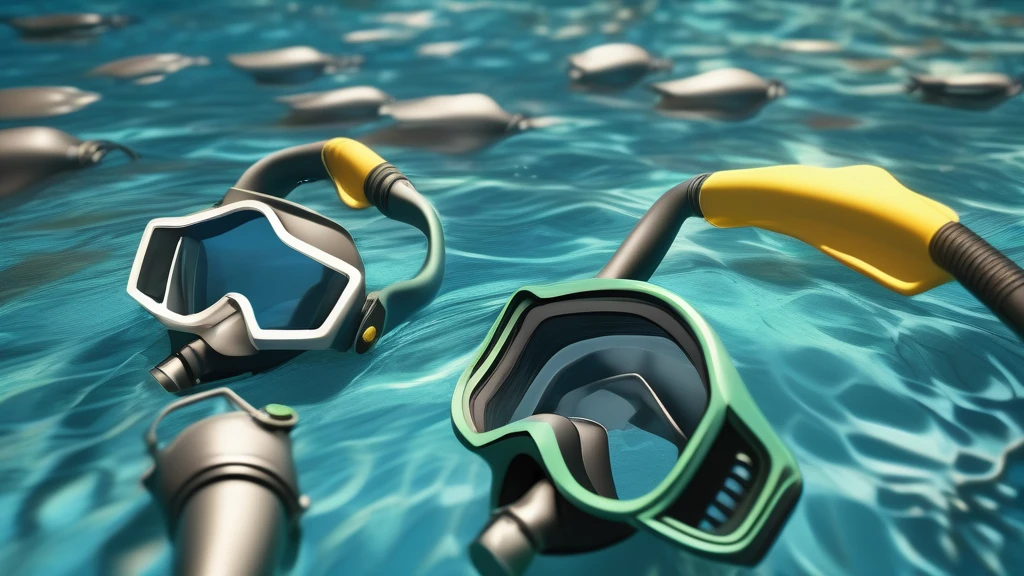
Diving and snorkeling masks are essential gear for anyone exploring underwater worlds, whether casually or professionally. Selecting the right mask not only improves your visibility and comfort but also enhances your safety during aquatic adventures. However, choosing the best mask can depend heavily on seasonal factors such as water temperature, light conditions, and activity type. This seasonal guide will walk you through how to select diving and snorkeling masks that suit different seasons, weather conditions, and year-round use—helping you make informed decisions no matter when or where you dive.
Understanding Key Features of Diving & Snorkeling Masks
Before exploring seasonal specifics, it’s important to understand the core features that define quality masks in this category:
- Skirts and Straps: Typically made from eco-friendly, hypoallergenic silicone, these parts create a secure, leak-free seal and provide customizable comfort. Adjustable or quick-release buckles help tailor the fit.
- Lenses: Usually tempered glass for durability and safety. Many lenses have coatings such as anti-fog to prevent condensation, hydrophobic to repel water, polarized to reduce glare, mirrored for sun protection, or UV-protective to shield against harmful rays.
- Design and Volume: Masks come in single or dual lens options, frameless or flexible framed. Low to medium internal volume designs influence buoyancy and ease of clearing water from the mask.
- Field of View: Wide or panoramic lenses enhance visibility, critical for activities like underwater photography or spearfishing.
- Portability: Some masks fold or come with storage cases for easy transport.
These features cater to a diverse audience—from beginners needing comfort and ease of use, to freedivers requiring streamlined low-volume masks, underwater photographers seeking distortion-free wide views, and professionals demanding durable, safety-certified equipment.
Seasonal Considerations When Choosing Your Mask
Spring and Summer: Bright, Warm Water Adventures
Spring and summer often bring brighter sunlight, warmer water, and calm conditions, perfect for snorkeling and recreational diving.
- Lens Coatings: Opt for masks with polarized or mirrored lenses during these seasons. Polarized lenses reduce surface glare caused by strong sunlight reflecting off the water, improving underwater clarity. Mirrored coatings provide additional sun protection, reducing eye strain.
- Skirt and Fit: Warm weather means less concern about thermal expansion or contraction of silicone skirts. Hypoallergenic silicone with adjustable straps offers a comfortable fit during long sessions.
- Design: Wider field of view masks, such as frameless or single-lens designs, are ideal for leisurely snorkeling and underwater sightseeing common in summer.
- Volume: Medium-volume masks balance comfort and ease of clearing water, suitable for beginners enjoying calm waters.
Example: A frameless, single-lens mask with UV-protective and anti-fog coatings paired with quick-release buckles will keep you comfortable and offer excellent visibility in bright, warm conditions.
Fall: Transitional Conditions and Variable Visibility
Fall can bring cooler water and less predictable weather, requiring more versatile mask choices.
- Anti-Fog Treatments: Cooler temperatures can cause fogging issues as warm breath meets cold lenses. Masks with enhanced anti-fog coatings or options for applying anti-fog solutions help maintain clear vision.
- Lens Material: Tempered glass remains standard for durability; consider polarized lenses if sunlight remains strong.
- Volume and Fit: Medium to low-volume masks work well as water temperatures drop, helping reduce buoyancy and improve streamlined movement.
- Seal Flexibility: Silicone skirts that maintain flexibility in cooler water are vital to prevent leaks.
Example: A dual-lens mask with hydrophobic and anti-fog coatings, low volume for easy clearing, and a flexible silicone skirt will adapt well to changing fall conditions and suit a range of activities from recreational dives to spearfishing.
Winter: Cold Water and Low Light Challenges
Winter diving and snorkeling pose unique challenges involving cold temperatures, limited daylight, and often rougher water.
- Thermal Protection: Cold water can cause silicone skirts to stiffen, risking leaks. Select masks with high-grade, thick yet flexible silicone skirts designed for cold water to maintain a secure seal.
- Lens Features: Anti-fog coatings are essential in cold conditions to prevent condensation. UV protection is less critical due to low sunlight, but hydrophobic lenses help water bead off quickly, improving visibility.
- Volume: Low-volume masks are preferred for freediving and performance in winter, reducing internal air space and helping with equalization.
- Field of View: Bigger isn’t always better in cold water. Streamlined masks with moderate visibility reduce drag and help conserve heat.
- Safety Certifications: Masks certified by ISO, CE, or TÜV offer added peace of mind for professional or technical diving in challenging conditions.
Example: A low-volume, dual-lens mask with a thick, flexible silicone skirt, anti-fog and hydrophobic coatings, and a secure adjustable strap system is well-suited for winter dives where comfort and safety are paramount.
Year-Round Mask Selection: Versatility and Durability
If you dive or snorkel throughout the year, selecting a versatile mask that adapts to different conditions is key.
- Skirt Material: Choose eco-friendly, hypoallergenic silicone skirts that resist degradation from UV exposure and saltwater, maintaining flexibility across temperatures.
- Lens Coatings: Masks combining anti-fog, hydrophobic, and UV-protective coatings provide optimal clarity regardless of season.
- Adjustability: Masks with quick-release, adjustable buckles allow easy fit changes to accommodate thicker neoprene hoods or caps in colder months.
- Design: Dual-lens masks with moderate volume strike a good balance between wide field of view and ease of equalization.
- Portability: Foldable masks with included storage cases protect your investment and simplify transport year-round.
Example: A medium-volume, dual-lens mask with tempered glass lenses featuring anti-fog, hydrophobic, and UV coatings paired with a durable, flexible silicone skirt and quick-adjust straps is a smart all-season choice.
Specialized Masks for Seasonal Activities
Freediving and Spearfishing Masks
Freedivers and spearfishers favor low-volume masks for minimal drag and easy equalization. During colder seasons, thicker silicone skirts improve seal and comfort. Anti-fog treatments are critical year-round due to breath control techniques.
Underwater Photography Masks
Photographers benefit from wide or panoramic view masks with distortion-free tempered glass lenses. Seasonal lens coatings like polarized in summer and anti-fog in winter help maintain image clarity.
Full-Face Snorkel Masks
While full-face masks offer convenience and breathing ease during warm-weather snorkeling, they are generally less suited for cold or professional diving due to volume and fit limitations.
Maintenance Tips for Year-Round Clarity and Durability
- Cleaning: Rinse masks with fresh water after each use to remove salt, sand, and chlorine.
- Anti-Fog Care: Use manufacturer-recommended anti-fog treatments or natural methods like saliva application before each dive.
- Storage: Keep masks in protective cases away from direct sunlight and extreme temperatures to preserve silicone flexibility and lens coatings.
- Inspection: Regularly check silicone skirts and straps for signs of wear or damage and replace components as needed to maintain safety.
Environmental Impact and Sustainability
Many leading masks now incorporate eco-friendly silicone and sustainable manufacturing processes to reduce environmental footprints. Choosing masks with recyclable materials and durable construction supports ocean conservation efforts by minimizing waste.
Conclusion
Choosing the right diving and snorkeling mask for each season enhances your underwater experience by improving comfort, visibility, and safety. Understanding how lens coatings, skirt materials, volume, and design interact with seasonal conditions empowers you to select masks that meet your specific needs—whether you’re diving in warm tropical waters or exploring cold, dim winter seas. With proper maintenance and attention to fit, your chosen mask can be a reliable companion for all your aquatic adventures, year-round.