
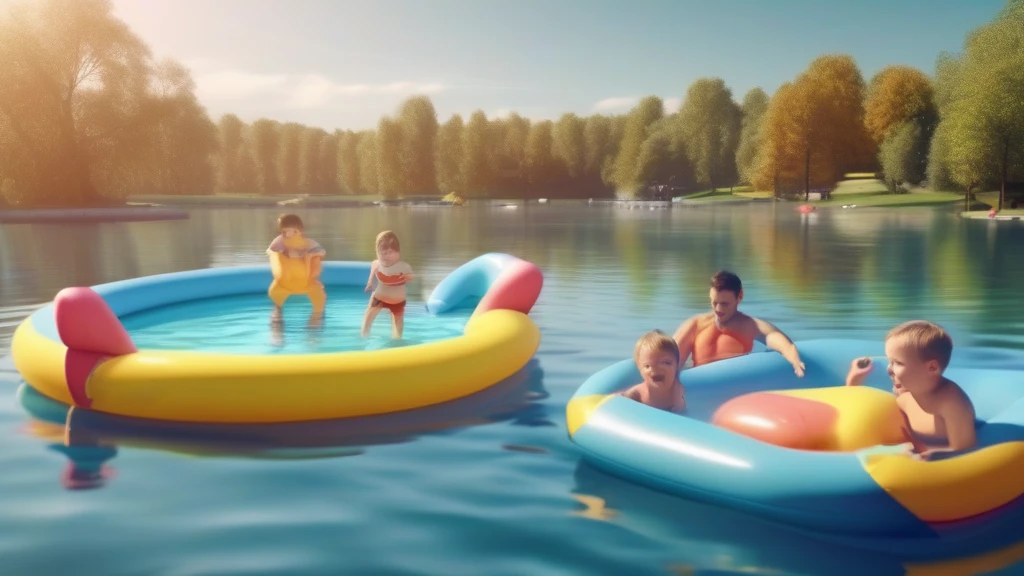
Inflatable bouncers designed for aquatic play have transformed how families and outdoor enthusiasts enjoy lakes, pools, and calm seaside areas. These vibrant, durable inflatable platforms offer a unique blend of bouncing, jumping, and lounging on water, creating interactive playgrounds that enhance water-based recreation. Choosing the right inflatable bouncer and knowing how to adapt its use across seasons can elevate your outdoor adventures year-round. This seasonal guide explores the best inflatable bouncer choices, weather-appropriate considerations, and tips for enjoying these fun water inflatables throughout the year.
Understanding Inflatable Water Bouncers: Key Features and Benefits
Before diving into seasonal specifics, it’s important to understand what makes inflatable water bouncers a standout choice for outdoor aquatic play.
Size and Capacity
Most inflatable water bouncers range from 8 to 12 feet in diameter, comfortably accommodating 2 to 4 users at a time. This size range makes them versatile for family outings, small groups, or casual play sessions. Larger models provide more space for active bouncing and social interaction, while smaller ones can be more manageable for younger children or limited water spaces.
Materials and Durability
Premium inflatable bouncers are crafted from high-quality, puncture-resistant materials that ensure long-term durability and safety. These materials withstand exposure to sun, water, and occasional rough play, making them reliable for repeated use in lakes, pools, and calm coastal areas.
Design and Portability
Bright, eye-catching colors such as blues, reds, oranges, and yellows improve visibility on water and add to the fun aesthetic. Many inflatables feature user-friendly designs that emphasize quick inflation and deflation, as well as portability, allowing for easy transport to different recreational spots.
Safety Considerations
Stable construction and safety-focused features reduce the risk of tipping or deflation during use. Always look for models that include reinforced seams and secure air chambers for added reliability.
Spring: Preparing for the Season of Renewal and Outdoor Fun
Spring marks the transition from colder months to warmer weather, and it’s an ideal time to prepare your inflatable bouncer for upcoming aquatic adventures.
Choosing the Right Model for Spring Use
During early spring, water temperatures can still be cool, so selecting an inflatable bouncer with a slightly smaller diameter (around 8 to 10 feet) can help keep users closer together, making it easier to monitor safety and encourage social interaction. Models designed with thicker, durable materials are advantageous to withstand potential spring winds and variable weather conditions.
Weather Considerations and Setup Tips
Spring weather can be unpredictable. Look for bouncers that offer quick inflation and deflation so you can set up or pack away swiftly if a cold front or rain approaches. Using a brightly colored inflatable (such as orange or yellow) enhances visibility during often overcast days and in lakes or reservoirs with murkier water.
Spring Maintenance
Perform a thorough inspection of seams and material integrity after winter storage. Clean the inflatable with gentle water and mild soap to remove any dust or mold buildup before use.
Summer: Peak Season for Inflatable Bouncer Enjoyment
Summer is prime time for inflatable water bouncers, with warm temperatures and extended daylight hours inviting hours of aquatic play.
Best Inflatable Bouncers for Summer
Large-diameter inflatables (10 to 12 feet) that accommodate 3 to 4 users are ideal for summer fun. These models maximize space for bouncing, jumping, and lounging, supporting active group play during pool parties, lake vacations, and beach days.
Materials with UV-resistant coatings are especially beneficial in summer to prevent color fading and material degradation from intense sun exposure. Vibrant blues and reds are popular summer colors that blend appealingly with water while remaining highly visible.
Safety and Comfort in Hot Weather
Ensure the inflatable has smooth surfaces to avoid discomfort during hot days. Encourage users to wear water shoes or non-slip socks to maintain grip and safety while bouncing.
Additionally, setting up the inflatable in shaded areas or using sun umbrellas nearby can help prevent overheating of the material and provide users with breaks from direct sun exposure.
Creative Summer Activities
- Water Volleyball or Tag: Use the inflatable as a floating base for games that combine bouncing and swimming.
- Splash Challenges: Kids and adults can challenge each other to keep balance while jumping or trying to push opponents off safely.
- Relaxation Zone: The spacious platforms are perfect for sunbathing or simply floating and chatting in the water.
Fall: Extending the Season with Versatile Inflatable Bouncers
As temperatures cool and water recreation slows down, inflatable bouncers can still provide engaging fun during mild fall days.
Choosing Fall-Appropriate Bouncers
Smaller to medium-sized inflatables (8 to 10 feet) are best for fall use because they are easier to handle and set up quickly when weather changes. Opt for models with reinforced materials to withstand wind and occasional rougher water conditions on lakes or coastal areas.
Colors like orange and red complement the fall aesthetic and improve visibility against changing natural backgrounds.
Maximizing Usage During Cooler Weather
Use the inflatable during the warmest parts of the day to ensure comfort. Consider pairing aquatic play with waterproof wetsuits or rash guards for extended outdoor time without chills.
Maintenance Before Winter Storage
After fall use, clean and dry the inflatable thoroughly to prevent mold and mildew growth. Deflate and store it in a cool, dry place away from direct sunlight or extreme temperatures to preserve material integrity.
Winter: Off-Season Care and Alternative Uses
Winter typically means putting aquatic inflatables away, but proper care and creative thinking can extend their lifespan and enjoyment.
Storage Best Practices
- Clean and Dry: Ensure the inflatable is spotless and completely dry before storage.
- Proper Folding: Avoid sharp creases and folds that can weaken materials over time.
- Climate Control: Store indoors or in climate-controlled environments to prevent damage from freezing or excessive heat.
Indoor and Alternative Use Ideas
If you have enough indoor space, some families repurpose inflatable bouncers for dry play zones or trampoline-style fun during colder months. While not intended for indoor use on hard floors, placing a thick mat underneath can create a unique bounce station.
Year-Round Selection Tips: What to Look for in an All-Season Inflatable Bouncer
If you’re seeking an inflatable bouncer that performs well throughout the year, consider the following criteria:
Durable, Weather-Resistant Materials
Look for UV-resistant, puncture-proof materials that hold up against sun, wind, and water exposure in all seasons.
Moderate Size and Capacity
A medium-sized inflatable (about 10 feet in diameter) that supports 3 users strikes a good balance—large enough for family fun but manageable for frequent setup and storage.
Portability and Ease of Use
Quick inflation/deflation systems and lightweight designs improve usability, especially when transitioning between seasons or locations.
Safety Features and Stability
Multi-chamber air systems and reinforced seams enhance safety and stability, crucial for unpredictable seasonal weather conditions.
Conclusion
Inflatable water bouncers are a dynamic addition to any outdoor aquatic play collection, offering fun, social, and active water experiences. By understanding the seasonal nuances—from spring setup through summer play to fall use and winter storage—you can select the right inflatable bouncer to maximize enjoyment and longevity. Focus on size, material durability, and user capacity to find a model that suits your family’s lifestyle and water activity habits year-round. With proper care and creative planning, inflatable bouncers can provide memorable water-based fun in every season.