
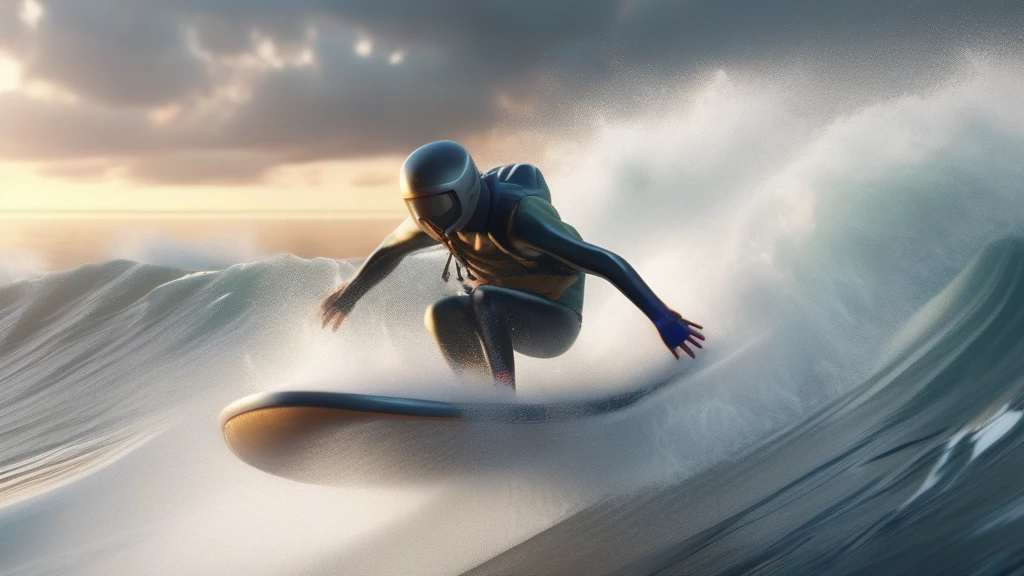
Kneeboarding is a thrilling water sport that combines the exhilaration of riding the waves with the challenge of maintaining balance and control. Whether you are a beginner just dipping your toes into the sport or a seasoned athlete performing freestyle tricks, selecting the right kneeboard can greatly enhance your experience. However, choosing the best kneeboard goes beyond skill level—it also involves considering seasonal conditions, weather, and year-round durability.
In this comprehensive guide, we’ll explore how to select the ideal kneeboard tailored for every season, highlighting weather-appropriate features, materials, and design considerations. With insights into product characteristics and practical tips, you’ll be empowered to make informed decisions for your next water adventure.
Understanding Kneeboard Basics: Features That Matter Year-Round
Before diving into seasonal specifics, it’s helpful to understand the core features that define kneeboards and influence their performance throughout the year.
Construction Materials and Durability
Kneeboards are typically constructed from durable, lightweight materials such as fiberglass, composite blends, polyurethane, and in advanced models, premium carbon fiber. These materials provide a balance between strength and weight, essential for maneuverability and control on the water.
- Fiberglass and composite boards offer robustness and moderate weight, suitable for recreational and family use.
- Polyurethane cores add resilience and impact resistance, improving longevity through multiple seasons.
- Carbon fiber models cater to competitive athletes, boasting superior strength-to-weight ratios for high-performance agility.
Manufacturers often apply UV-resistant and waterproof finishes to protect boards from sun damage and water exposure, critical for boards used across seasons with varying sunlight intensity.
Rider Comfort and Safety Features
Comfort and safety are crucial, regardless of season. Most kneeboards feature soft EVA or high-density foam pads, providing cushioned support to reduce strain on knees during extended rides. Non-slip surfaces ensure stable footing, especially when boards are wet.
Adjustable ergonomic straps secure riders firmly yet comfortably, accommodating different body sizes and allowing quick adjustments in changing conditions.
Fin and Rocker Configurations
-
Fins: Beginner boards often come with no-fin designs or fixed single fins to maximize stability and ease of control. Advanced boards may have adjustable or detachable dual/hybrid fins to allow precise turning and tricks.
-
Rocker profiles: Flat or low rocker designs offer smooth rides and stability, ideal for calm water and novice users. High or continuous rocker profiles enhance speed and maneuverability for competitive and freestyle kneeboarding.
Seasonal Considerations: Choosing the Right Kneeboard for Weather and Water Conditions
Water sports enthusiasts know that seasonal changes affect water temperature, wave conditions, and weather patterns, all of which influence kneeboard performance and rider comfort.
Spring: Embracing Variable Conditions
Spring often brings fluctuating temperatures and variable water conditions, from calm lakes to choppy rivers.
Best Kneeboard Characteristics for Spring:
- Material: Fiberglass or composite boards with waterproof, UV-resistant coatings to withstand unpredictable weather.
- Rocker: Low to medium rocker for versatility, allowing stable rides on calm days and better maneuverability when waters get rough.
- Fin setup: Adjustable fins to adapt to changing currents and wave sizes.
- Comfort: Extra padding and adjustable straps to accommodate extra layers of clothing or wetsuits as water temperatures remain cool.
Spring is a great time to practice skills on family-friendly boards that balance stability with responsiveness.
Summer: Peak Performance in Warm Weather
Summer offers warm water, longer daylight hours, and often smoother lake or ocean conditions—ideal for both recreational and competitive kneeboarding.
Optimal Kneeboard Features for Summer:
- Materials: Lightweight carbon fiber and premium composites for high maneuverability and speed.
- Rocker: High or continuous rocker profiles preferred by advanced riders aiming for freestyle tricks and racing.
- Fins: Detachable dual or hybrid fins to maximize control and responsiveness.
- Ventilation and Comfort: EVA padding with breathable, quick-drying properties to keep riders comfortable during extended sunny sessions.
- Sustainability: Look for boards manufactured with eco-friendly processes and recyclable components, aligning with summer’s outdoor ethos.
Summer is ideal for pushing performance boundaries on specialized kneeboards designed for agility and speed.
Fall: Preparing for Cooler Waters and Shorter Days
Fall introduces cooler water temperatures, increased wind, and sometimes more turbulent conditions.
Recommended Kneeboards for Fall:
- Material and Finish: Durable polyurethane cores combined with robust weatherproof coatings to resist colder water impacts.
- Rocker: Medium rocker to handle rougher waters while maintaining control.
- Fins: Stable fin configurations to offer secure turns in gusty wind conditions.
- Accessories: Consider boards that come with carry bags and repair kits for easy transport and maintenance during the season's unpredictable weather.
Fall is a transitional time, so versatility and durability are key.
Winter: Off-Season and Cold Water Use
While kneeboarding is less common in winter due to cold water and harsher weather, some enthusiasts continue year-round.
Winter Kneeboard Considerations:
- Material: Boards with excellent waterproof finishes and UV resistance to endure cold, wet conditions.
- Rocker: Flat or low rocker profiles to provide maximum stability on icy or calm water surfaces.
- Comfort: Extra-thick EVA padding and adjustable straps to accommodate heavy wetsuits and gloves.
- Safety Certifications: Boards certified to marine safety and ISO standards can provide added peace of mind during winter use.
For many, winter is a season for maintenance, storage, and preparation, making it essential to invest in boards with robust warranties and easy upkeep.
Year-Round Kneeboard Selection: Balancing Versatility and Performance
If you plan to kneeboard throughout the year, choosing a board that performs well across various conditions is crucial.
Versatile Construction and Features
- Materials: Composite or fiberglass boards with reinforced polyurethane cores offer durability and moderate weight, suitable for most water and weather conditions.
- Rocker: Medium rocker profiles strike a balance between speed and stability.
- Fins: Boards with adjustable or detachable fins allow you to customize handling as conditions change.
- Comfort: High-density foam pads and ergonomic straps enhance rider comfort and accommodate varying gear layers.
Family-Friendly vs. Competitive Boards
- Family and recreational boards prioritize stability, ease of use, and comfort. Features often include no-fin or single-fin setups and softer padding, making them ideal for beginners and casual riders.
- Competitive and freestyle boards use lightweight carbon fiber, continuous rocker designs, and advanced fin configurations for maximum agility and control. These often come with certifications like TÜV and marine safety ratings.
Choosing a versatile board often means compromising between specialized performance and everyday usability. Look for models that include accessory kits (carry bags, repair tools) to simplify transport and maintenance year-round.
Maintenance, Storage, and Safety: Tips for Year-Round Kneeboard Use
Caring for your kneeboard extends its life and ensures peak performance across seasons.
Maintenance Tips
- Rinse boards with fresh water immediately after use to remove salt, dirt, and debris.
- Regularly inspect fins and straps for wear and replace as needed.
- Use repair kits provided with many boards to quickly address dings or scratches.
- Apply UV protectant sprays during prolonged sunny seasons to preserve finishes.
Storage Advice
- Store boards in cool, dry places away from direct sunlight.
- Use padded carry bags to prevent damage during transport and off-season storage.
- Avoid stacking heavy items on top of boards to maintain shape integrity.
Safety Considerations
- Always choose boards with appropriate safety certifications (e.g., TÜV, ISO).
- Wear proper safety gear, including life jackets and wetsuits as temperature dictates.
- For beginners, select boards with no-fin or fixed fin designs to maximize stability.
Conclusion
Selecting the right kneeboard is a nuanced decision influenced by your skill level, intended use, and seasonal conditions. By understanding how construction materials, rocker profiles, fin setups, and comfort features interact with weather and water environments, you can choose a kneeboard that delivers performance, durability, and enjoyment throughout the year.
Whether you’re a family seeking a stable, easy-to-use board for summer outings, a freestyle enthusiast chasing agile tricks in warm conditions, or a cold-water rider braving the off-season, this guide equips you with practical knowledge to navigate the diverse kneeboard market confidently.
Embrace the waves season after season with the perfect kneeboard tailored to your water sport adventures!