
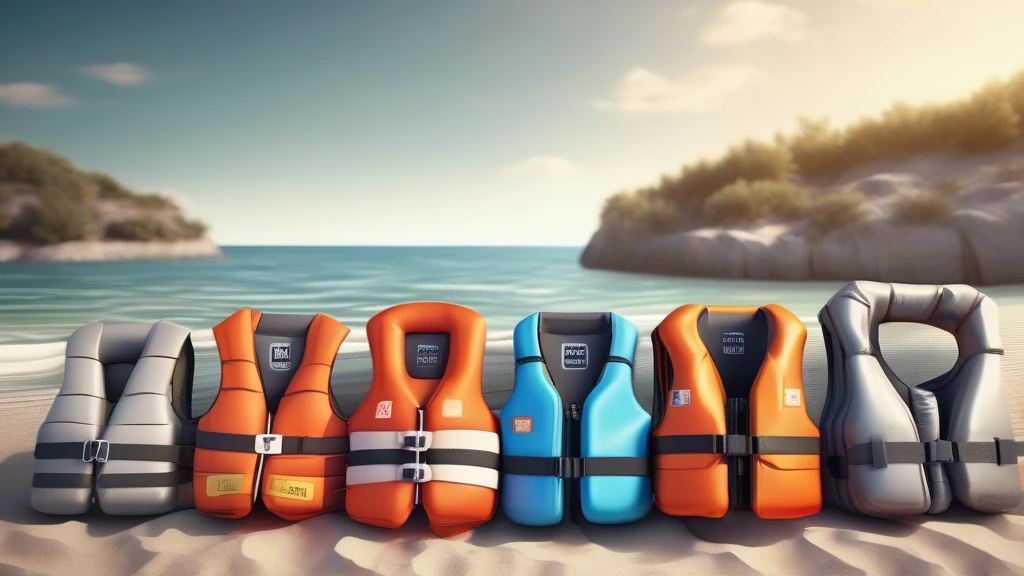
When it comes to water safety, a reliable life jacket is your best friend—no matter the season. However, choosing the right life jacket involves more than just picking a bright color or a comfortable fit. Seasonal weather changes, water temperatures, and activity types all influence which life jacket will serve you best. This comprehensive seasonal guide will help you navigate the variety of life jackets available, understand their features, and select the right personal flotation device (PFD) for every time of year.
Understanding Life Jacket Types and Their Seasonal Relevance
The U.S. Coast Guard classifies life jackets into five primary types—each designed with specific buoyancy levels and use cases. Knowing these types is essential for matching safety requirements with seasonal water activities.
Type I: Offshore Life Jackets for Maximum Buoyancy and Rough Conditions
Type I life jackets provide the highest buoyancy (typically 22 pounds or more) and are designed to turn unconscious wearers face-up. Their robust construction using closed-cell foam or hybrid foam cores makes them ideal for cold, rough offshore waters, common in fall and winter boating. Made from durable, UV-resistant materials such as ripstop nylon or marine-grade vinyl, these jackets offer excellent protection in harsh environments.
Seasonal tip: If you’re boating in colder months or venturing into open waters during stormy weather, opt for a Type I life jacket. Their high buoyancy and full flotation are critical in emergencies involving cold water immersion.
Type II: Near-Shore Life Jackets for Moderate Buoyancy
Type II jackets offer moderate buoyancy (around 15.5 pounds) and are suited for calm, near-shore waters. They are lighter and less bulky than Type I but may not always turn an unconscious wearer face-up. Materials often include polyester covers with closed-cell foam cores, balancing comfort and durability.
Seasonal tip: Spring and early summer, when lake and river conditions are milder, are great times to choose Type II jackets for fishing or casual boating. Their moderate insulation provides warmth without overheating.
Type III: Recreational Life Jackets for Comfort and Activity
Type III PFDs are the most popular for recreational paddling, kayaking, paddleboarding, and sailing. They provide standard buoyancy (around 15.5 pounds) with ergonomic designs for freedom of movement. Constructed from lightweight polyester or ripstop nylon with foam cores, they often feature adjustable buckles, quick-release straps, and high-visibility colors.
Seasonal tip: Summer calls for Type III life jackets, particularly for activities involving prolonged wear. Their breathable materials and flexible cuts prevent overheating while ensuring adequate flotation.
Type IV: Throwable Devices for Emergency Use
Unlike wearable life jackets, Type IV devices like throwable cushions and ring buoys are designed for emergency deployment. They are an essential complement to wearable PFDs year-round, especially on larger boats.
Seasonal tip: Always keep Type IV throwable devices onboard regardless of season, as they provide critical rescue support when someone falls overboard.
Type V: Specialized Life Jackets for Specific Activities
Type V jackets are tailored for specialized uses—rescue work, windsurfing, or commercial fishing. They may incorporate inflatable bladders, harnesses, or enhanced buoyancy systems.
Seasonal tip: For winter rescue teams or commercial mariners working year-round, Type V jackets with inflatable technology and reinforced buckles provide both safety and adaptability.
Seasonal Considerations for Choosing Life Jackets
Spring: Transitioning from Cold to Mild Weather
In spring, water temperatures remain cool, but air temperatures start rising. Select life jackets with moderate buoyancy and some thermal protection.
- Recommended types: Type II for near-shore fishing or boating; Type III for paddling.
- Material focus: Polyester or hybrid foam cores with UV-resistant coatings to withstand increasing sunlight.
- Features to look for: Adjustable straps to accommodate layering clothing; reflective tape for shorter daylight hours.
Summer: Warm Weather and High Activity Levels
Summer is peak season for water sports—kayaking, paddleboarding, sailing, and family outings. Comfort and breathability become paramount.
- Recommended types: Type III life jackets with ergonomic designs.
- Material focus: Lightweight ripstop nylon with mesh panels for ventilation.
- Features to look for: High-visibility colors (fluorescent orange, yellow, or red), glow-in-the-dark strips for dusk activities, whistles, and emergency light mounts.
- Additional advice: Choose jackets with quick-release buckles for easy removal after swimming or sunbathing.
Fall: Cooling Temperatures and Increased Weather Risks
As temperatures drop and weather becomes unpredictable, prioritize warmth and enhanced flotation.
- Recommended types: Type I or Type II life jackets for boating in rougher waters.
- Material focus: Durable, closed-cell foam cores with marine-grade vinyl exteriors to resist moisture and cold.
- Features to look for: Anti-slip designs for wet conditions, reinforced buckles, and rescue handles.
- Additional advice: Layering underneath your PFD can improve comfort during chilly days.
Winter: Cold Water Safety and Emergency Preparedness
Winter boating or commercial fishing demands maximum buoyancy and thermal protection to prevent hypothermia.
- Recommended types: Type I offshore life jackets and Type V inflatable jackets with thermal liners.
- Material focus: Heavy-duty, UV-resistant fabrics with insulated foam or inflatable bladders.
- Features to look for: Emergency light mounts, high-visibility colors, glow-in-the-dark strips, and durable quick-release mechanisms.
- Additional advice: Ensure your life jacket fits securely over bulky winter clothing and inspect seals on inflatable models regularly.
Innovations in Life Jacket Materials and Sustainability
Modern life jackets integrate eco-conscious materials and manufacturing techniques to reduce environmental impact while maintaining safety and durability.
- Biodegradable coatings: Many jackets now use water-repellent finishes that break down naturally without harmful residues.
- Recyclable foams: Closed-cell and hybrid foam cores increasingly come from recyclable sources, maintaining buoyancy while reducing waste.
- Low carbon footprint manufacturing: Some brands employ energy-efficient production and sustainable sourcing of nylon and polyester fabrics.
- Inflatable bladder technology: This advancement reduces bulk and weight, lowering material use and improving portability.
Choosing sustainable life jackets not only protects you but also helps preserve the waterways you enjoy.
Safety Features Worth Prioritizing Year-Round
No matter the season, these features enhance your safety and ease of use:
- Adjustable and reinforced buckles: Ensure a secure fit that won’t loosen during activity or in emergencies.
- Quick-release mechanisms: Allow rapid removal if needed.
- High-visibility colors and reflective tape: Improve rescue readiness in low light or rough conditions.
- Whistles and emergency light mounts: Aid in signaling rescuers.
- Rescue handles: Facilitate assisted recovery in water.
- Anti-slip designs: Prevent jacket movement during swimming or paddling.
Proper Fit and Maintenance: Key to Longevity and Safety
A well-maintained life jacket ensures reliable performance year after year.
- Fit tips:
- The jacket should fit snugly without restricting movement.
- Adjustable straps should be tightened to prevent riding up when in water.
-
Children’s jackets must suit their weight and chest size precisely.
-
Maintenance advice:
- Rinse jackets with fresh water after use in salt or chlorinated water.
- Avoid prolonged exposure to direct sunlight when not in use to prevent UV degradation.
- Inspect foam cores and inflatable bladders regularly for damage or leaks.
- Store jackets in a cool, dry place away from chemicals and oils.
Emergency Preparedness: Using Throwable Devices Alongside Wearable Jackets
Throwable flotation devices, such as cushions and ring buoys, are important complements to wearable life jackets, especially on larger vessels.
- Keep Type IV devices within easy reach on all boats, regardless of season.
- Ensure devices are brightly colored and equipped with reflective tape.
- Conduct regular checks to confirm buoyancy and structural integrity.
- Teach family and crew proper deployment methods during safety drills.
Conclusion
Selecting the right life jacket for every season involves understanding the interplay between buoyancy types, material properties, activity demands, and environmental conditions. Whether you’re paddling on a warm summer lake or fishing offshore in the chill of fall, your life jacket should balance safety, comfort, and durability. By considering seasonal weather patterns, leveraging innovations in materials and design, and prioritizing essential safety features, you can enhance your water experience while protecting yourself and your loved ones year-round.
Remember: the best life jacket is one you trust and wear consistently—no matter the season.