
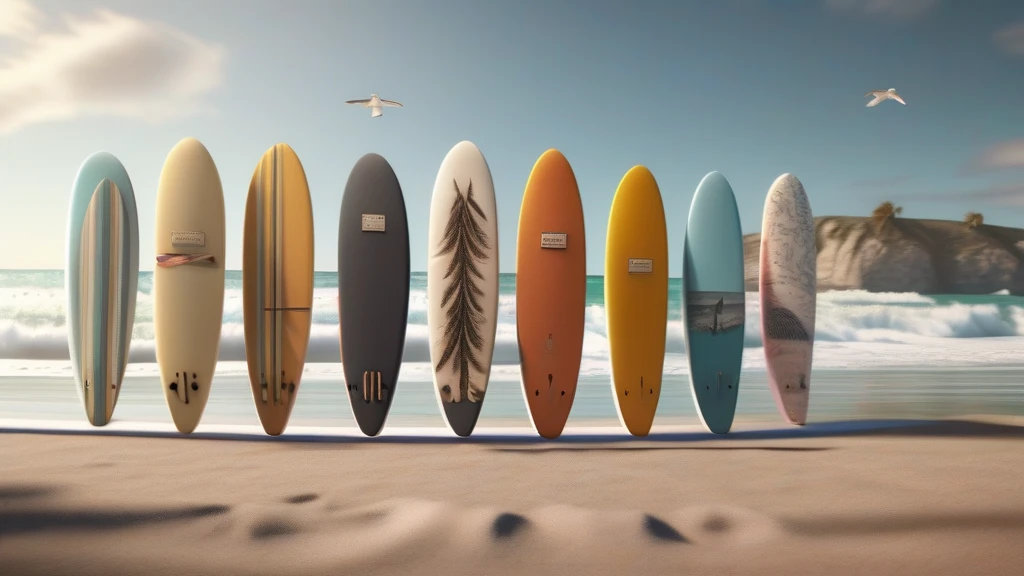
Longboard surfboards offer a timeless surfing experience characterized by smooth, stable rides and classic style. Their versatility and range of designs make them a favorite among beginners, recreational riders, freestyle enthusiasts, and advanced noseriders alike. However, like many outdoor sporting goods, choosing the right longboard for the season can significantly enhance your surfing experience. This seasonal guide explores how weather, wave conditions, and temperature affect longboard surfboard selection, helping you make informed decisions and enjoy year-round wave riding.
Understanding Longboard Surfboards: A Quick Overview
Before diving into seasonal specifics, it's important to recap what defines a longboard surfboard. Typically ranging from 8'0" to 10'0" in length, longboards emphasize stability and ease of use. Their designs vary widely:
- Tail Shapes: Round, squash, pin, swallow, and square tails influence maneuverability and control.
- Rocker Profiles: Flat, moderate, high, or continuous rocker profiles affect glide and turning ability.
- Materials: Durable, lightweight epoxy, fiberglass, polyurethane foam cores, and carbon fiber reinforcements balance strength, weight, and portability.
- Fin Setups: Options include single fin, 2+1, thruster, or quad fins, often adjustable or foldable for control and transport ease.
These features interact differently with seasonal wave and weather conditions, so choosing wisely can elevate your surfing throughout the year.
Winter: Navigating Cold Water and Powerful Waves
Typical Conditions
Winter surf often brings larger, more powerful waves and colder water temperatures, particularly in temperate and higher-latitude coastal areas. Winds can be stronger and more variable, and water temperatures may drop significantly.
Best Longboard Features for Winter
- Rocker Profile: Opt for a moderate to high rocker longboard. A higher rocker allows better handling of steep, powerful waves by reducing nose diving and improving maneuverability.
- Tail Shape: Pin or round tails offer increased control and smoother turns on challenging waves, helping maintain stability when the surf picks up.
- Material and Durability: Winter surf can be harsh on equipment. Choose boards with epoxy or carbon fiber reinforcements, as these materials offer enhanced impact resistance and durability against cold, rough conditions.
- Fin Setup: A thruster or quad fin setup can provide extra grip and control in choppy, fast waves common during winter storms.
- Additional Considerations: UV resistance remains critical, but boards with reinforced edges and impact-resistant coatings will better withstand winter’s rigors.
Practical Tips
- Pair your longboard with a good wetsuit tailored for cold water to maximize comfort.
- Consider boards with eco-conscious construction that also offer durability, reducing the need for frequent replacements from winter wear and tear.
Spring: Transitioning to Milder Surf and Variable Conditions
Typical Conditions
Spring often brings a transition from winter's power to more moderate waves, with increasing water temperatures and clearer weather patterns. Wave size may decrease, but variability increases, with both small and intermediate conditions common.
Best Longboard Features for Spring
- Rocker Profile: Moderate rocker profiles suit spring’s mixed wave sizes, balancing glide on smaller waves with enough lift for occasional larger sets.
- Tail Shape: Squash or swallow tails offer versatility, providing both stability and the ability to make sharper turns as wave conditions fluctuate.
- Material: Lightweight epoxy boards with some carbon fiber reinforcements offer easy portability and performance as surf spots become more accessible.
- Fin Setup: A 2+1 fin configuration (single fin with two side fins) offers a blend of classic glide and maneuverability, ideal for the variable waves of spring.
- Portability: As spring often invites travel to various surf spots, selecting boards with foldable fins and included carry bags enhances convenience.
Practical Tips
- Spring is a great time to experiment with different tail shapes and rocker profiles to understand what suits your style as conditions evolve.
- Invest in boards with eco-friendly manufacturing to support sustainable surfing as the community grows with the season.
Summer: Embracing Warm Water and Smaller Waves
Typical Conditions
Summer generally features smaller, cleaner, and more playful waves, often accompanied by warm water and sunny weather. Conditions favor long, smooth rides and noseriding maneuvers.
Best Longboard Features for Summer
- Rocker Profile: Flat to moderate rocker profiles maximize glide and speed on smaller, mellow waves, ideal for noseriding and classic cruising styles.
- Tail Shape: Square or squash tails provide stability and a larger surface area for dancing on the nose and freestyle moves.
- Material: Lightweight epoxy or polyurethane foam core boards with smooth anti-slip decks improve comfort and ease of use during longer sessions.
- Fin Setup: Single fin setups excel in summer conditions, offering smooth, predictable turns and enhancing traditional longboarding style.
- Safety and Comfort: UV-resistant coatings are crucial to protect boards from prolonged sun exposure, and soft top designs with wide decks help beginners maintain balance in gentle surf.
Practical Tips
- Summer is the perfect season to focus on freestyle and noseriding, so consider boards designed specifically for maneuverability and style.
- Use wax kits and repair kits included with many boards to maintain grip and address minor dings from active use in warm conditions.
Fall: Preparing for Variable Waves and Cooling Waters
Typical Conditions
Fall often presents a mix of summer’s mellow waves and the first hints of winter swell, with cooling water temperatures and increasingly variable weather patterns.
Best Longboard Features for Fall
- Rocker Profile: Moderate to continuous rocker profiles allow you to handle both playful small waves and the occasional larger sets more common during fall.
- Tail Shape: Versatile tail shapes like squash or round tails offer a good balance between control and glide.
- Material: Durable boards with a combination of epoxy and carbon fiber reinforcements withstand the unpredictability of fall surf.
- Fin Setup: Adjustable fin setups such as thruster or 2+1 allow you to adapt your board’s performance as waves change.
- Portability and Safety: Boards with ISO or CE certifications and impact-resistant coatings provide peace of mind when conditions become rougher.
Practical Tips
- Fall is an excellent time to refine your skills across different surf styles, so consider boards that accommodate both cruising and freestyle.
- Ensure your board’s UV protection and wax are fresh, as fall sun can still be strong, but water temperatures drop.
Year-Round Longboard Selection: Features That Matter Regardless of Season
While seasonal conditions vary, some product characteristics consistently enhance the longboarding experience throughout the year:
- Eco-Friendly Construction: Boards featuring recyclable components and low carbon footprints support sustainable surfing practices no matter the season.
- Safety Certifications: ISO, CE, and TÜV certifications guarantee durability, UV resistance, and impact protection.
- Portability: Lightweight materials combined with foldable fins, carry bags, and compact dimensions ease transport to diverse surf locations.
- Beginner to Advanced Inclusivity: From soft tops with anti-slip decks for novices to performance-oriented shapes and materials for seasoned surfers, choose a board that matches your skill and style.
- Comprehensive Accessories: Leashes, wax kits, and repair kits ensure you’re prepared for maintenance and safety year-round.
Conclusion
Choosing the right longboard surfboard for each season involves understanding how wave size, water temperature, and weather impact performance and durability. Winter calls for higher rocker and durable materials to handle powerful waves and cold water, while summer favors flat rockers and stable tail shapes for smooth cruising in smaller surf. Spring and fall require versatile boards that balance glide and control amid variable conditions.
By considering rocker profiles, tail shapes, material construction, fin setups, and safety features aligned with seasonal changes, surfers of all levels can optimize their longboarding experience year-round. Embracing eco-friendly and certified boards further enriches the ride by supporting sustainability and safety. With this guide, you’re better equipped to select a longboard surfboard that matches the rhythms of the sea and the changing seasons.
Happy surfing!