
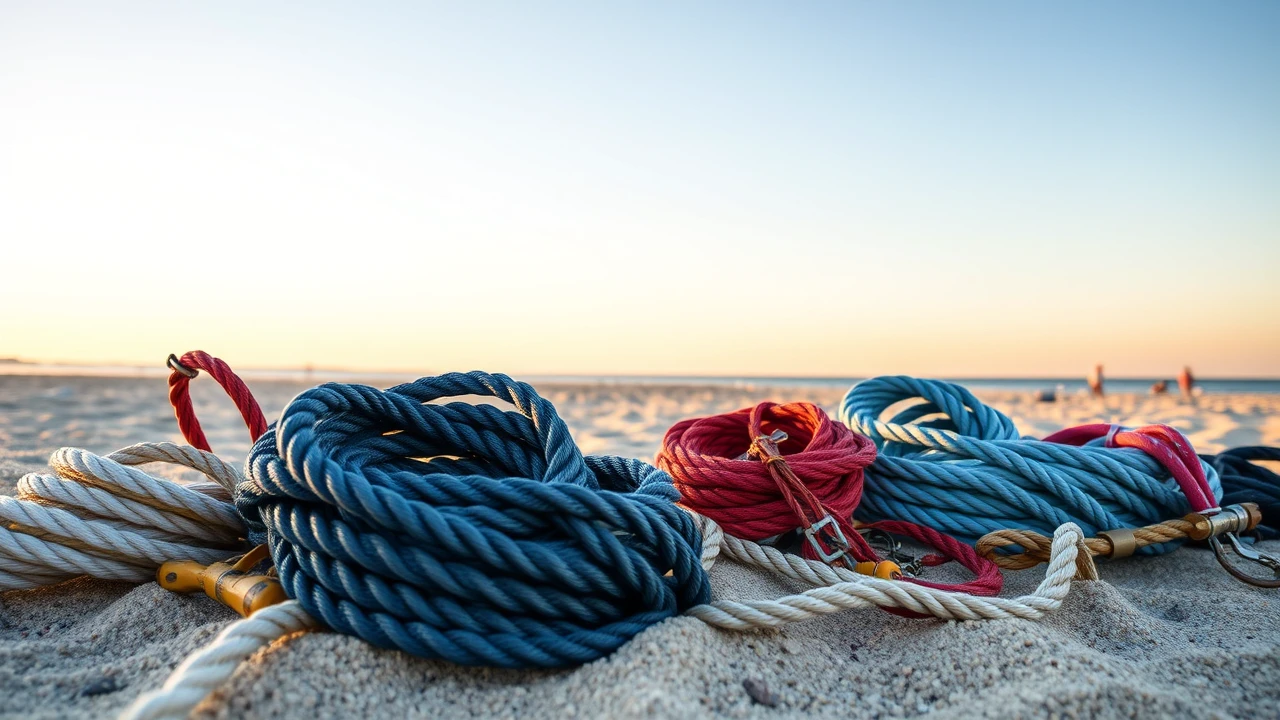
Choosing the right rope or hardware cable for marine, water sports, rescue, or boating applications is essential for safety, durability, and performance. However, the effectiveness and longevity of these ropes often depend on seasonal factors such as temperature fluctuations, UV exposure, moisture levels, and water conditions. This comprehensive guide explores seasonal considerations when selecting ropes and hardware cables, highlighting material choices, product features, and maintenance tips to help you make informed decisions all year round.
Understanding Ropes & Hardware Cable Categories and Characteristics
Before diving into seasonal specifics, it’s important to understand the key rope types and features available in this category:
- Wakeboard and Water Ski Ropes: Designed for towing with optimal elasticity and grip. Often feature ergonomic handles with EVA foam or rubber for comfort.
- Tow Ropes for Inflatable Tubes: Typically lighter and buoyant, with quick-release mechanisms for safety.
- Anchor Lines for Boating: Heavy-duty ropes with high tensile strength and abrasion resistance.
- Docking Ropes: Designed for holding boats securely with reinforced loops and UV resistance.
- Rescue Ropes for Emergency Services: High-visibility, highly durable ropes meeting stringent safety certifications like TÜV and ISO.
Materials commonly used include nylon, polypropylene, polyester, and braided polyethylene. Each offers a balance of strength, UV resistance, buoyancy, and environmental benefits such as biodegradable coatings or recyclable components.
Seasonal Considerations for Rope Selection
Spring: Preparing for Renewed Water Activities
Spring marks the start of boating and water sports seasons with fluctuating temperatures and increased water activity.
- Material Choice: Polyester and nylon ropes excel in spring due to their UV resistance and ability to withstand moisture without degrading. Polyester has minimal stretch, ideal for docking lines, while nylon offers elasticity useful in towing ropes.
- Floating vs. Non-Floating: Floating ropes (polypropylene or braided polyethylene) are beneficial for wakeboarding and tubing, as they remain visible on the water surface, reducing safety risks.
- Safety Features: Look for quick-release mechanisms on tow ropes to manage sudden stops safely during recreational use.
- Maintenance Tip: After winter storage, inspect for UV damage or frayed areas. Clean with fresh water to remove salt and dirt accumulated during previous use.
Summer: Peak Use and Harsh Environmental Exposure
Summer brings intense sun, higher water temperatures, and heavy usage, demanding ropes with robust durability and comfort.
- UV Resistance: Polypropylene and polyester ropes with UV inhibitors are essential to prevent deterioration. Ropes featuring certifications like CE or marine safety standards ensure tested UV stability.
- Handle Ergonomics: EVA foam or rubberized handles reduce hand fatigue during long towing sessions. Look for anti-slip grips especially designed for wet conditions.
- Length and Thickness: Tow ropes between 50 to 75 feet long and 8-10mm thick balance manageability and strength for most water sports.
- Storage and Portability: Compact storage bags or spools protect ropes from excessive sun exposure when not in use, extending lifespan.
- Environmental Responsibility: Summer is a great time to prioritize ropes with biodegradable coatings or recyclable materials, reducing environmental impact during high outdoor activity periods.
Autumn: Transitioning and Preparing for Storage
As temperatures drop and water activity slows, autumn is ideal for maintenance and assessing rope condition.
- Durability Checks: Inspect ropes for abrasion from summer use. Polyester ropes tend to resist abrasion better, making them excellent for docking ropes that remain in place.
- Waterproofing: Ropes with waterproof or partially floating designs maintain functionality despite increased rainfall and cooler water.
- Certification Review: Rescue ropes used for emergency applications should be checked for compliance with TÜV and ISO standards, ensuring readiness for year-round deployment.
- Wrap-Up Storage: Coil ropes properly to prevent kinks and store in dry, shaded areas to avoid UV and moisture damage during the off-season.
Winter: Off-Season Storage and Emergency Preparedness
Winter conditions require ropes that can withstand cold, moisture, and potential ice exposure, especially for emergency and rescue use.
- Material Performance in Cold: Nylon ropes retain flexibility even in cold temperatures, reducing brittleness. Braided polyethylene ropes are also resistant to freezing damage.
- High-Visibility Requirement: For rescue ropes, bright colors and reflective coatings ensure visibility in low-light winter conditions.
- Safety Mechanisms: Ensure quick-release and reinforced loops are functioning properly after exposure to cold and moisture.
- Storage Advice: Use airtight storage bags to prevent moisture absorption, which can weaken rope fibers over time.
Year-Round Selection Tips for Ropes and Hardware Cable
Material Comparison and Application Matching
| Material | Strength & Durability | UV Resistance | Buoyancy | Best Uses |
|---|---|---|---|---|
| Nylon | High tensile strength, elastic | Moderate | Sinks in water | Tow ropes, rescue operations |
| Polyester | Strong, abrasion-resistant | Excellent | Sinks in water | Docking, anchor lines |
| Polypropylene | Moderate strength, lightweight | Good | Floats | Tow ropes, water skiing |
| Braided Polyethylene | High strength, abrasion-resistant | Very good | Floats | Rescue ropes, marine lines |
Selecting the right material depends on activity, required strength (up to 2,500 lbs tensile strength common), and environmental exposure.
Length, Thickness, and Strength
- Length: Water sports ropes typically range from 25 to 100 feet. Longer lengths offer more flexibility but can be cumbersome.
- Thickness: 6 to 12mm ropes balance grip comfort and tensile strength. Thicker ropes provide more durability but may be heavier.
- Tensile Strength: Needs vary by use. Rescue and anchoring ropes require higher strengths (up to 2,500 lbs), while recreational tow ropes may have lower thresholds.
Safety and Ergonomics
- Ergonomic handles with EVA foam or rubber improve grip, decrease fatigue, and increase control.
- Quick-release mechanisms are critical for emergency stops or rescue scenarios.
- Reinforced loops enhance durability at stress points, preventing failure.
Maintenance and Longevity Tips Across Seasons
- Regular Inspection: Check for frays, cuts, UV damage, and wear, especially at loops and handles.
- Cleaning: Rinse ropes with fresh water after exposure to saltwater or dirt. Avoid harsh chemicals.
- Drying: Allow ropes to air dry fully before storage to prevent mildew.
- Proper Storage: Store in cool, dry, shaded areas in breathable bags or on spools to avoid kinks and UV exposure.
- Certification Compliance: For rescue ropes, maintain certification records and schedule periodic professional inspections.
Environmental Considerations in Rope Selection
With growing awareness of environmental impact, many ropes are now produced with biodegradable coatings and recyclable components. Choosing eco-conscious ropes reduces plastic pollution in marine environments without compromising strength or safety. Look for labels indicating sustainable manufacturing practices and certifications reflecting environmental responsibility.
Conclusion
Selecting the best ropes and hardware cable requires understanding how seasonal changes impact material performance, safety features, and durability. By considering factors such as UV resistance in summer, flexibility in winter, and maintenance in autumn and spring, users—from water sports enthusiasts to professional rescuers—can optimize rope performance year-round. Prioritizing certified, ergonomic, and environmentally responsible ropes ensures safety, comfort, and sustainability in every season.
By integrating these seasonal insights with product-specific knowledge—such as material types, tensile strengths, and safety features—you can confidently choose ropes that meet your unique needs, withstand environmental challenges, and promote safe, enjoyable water activities all year long.