
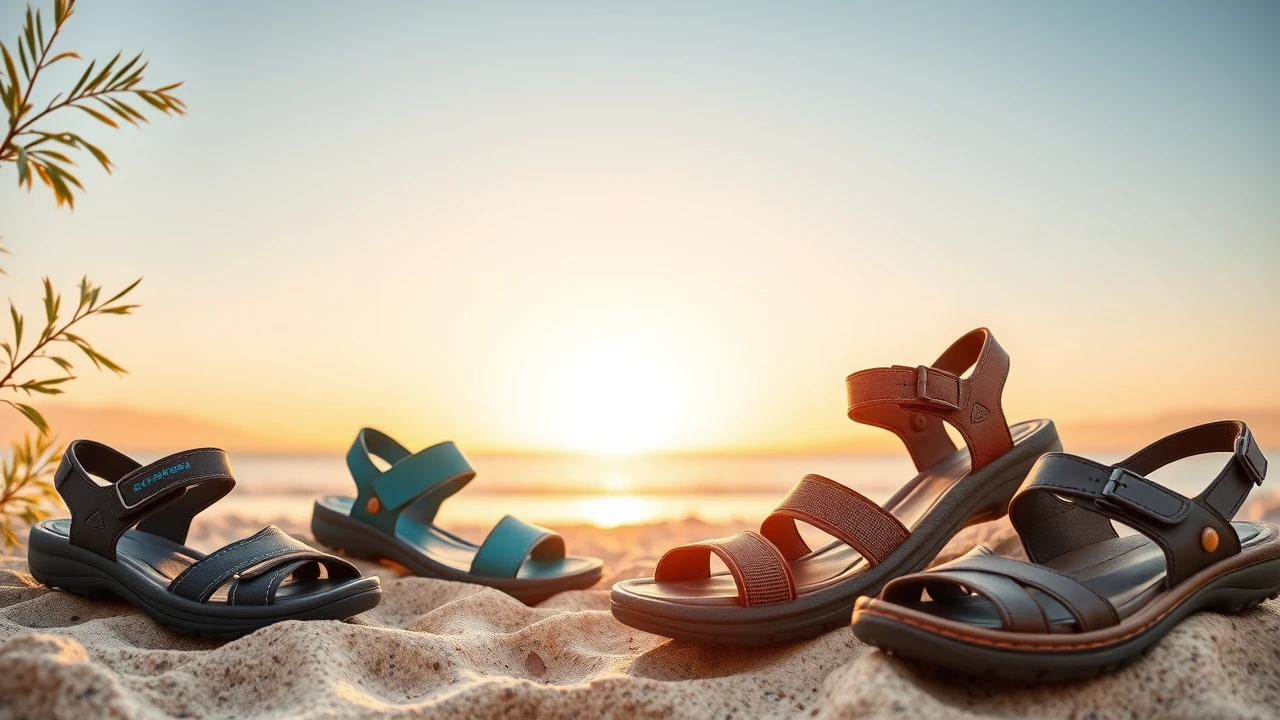
Sandals are a versatile footwear choice that can adapt to a wide range of activities and environments throughout the year. From casual beach days to rugged hikes, city explorations, or elegant social events, the right pair of sandals can enhance comfort, style, and functionality. However, selecting the most suitable sandals depends heavily on seasonal considerations, weather conditions, and personal lifestyle needs.
In this comprehensive guide, we’ll explore how to choose the best sandals for every season, highlighting key features and technologies that make sandals practical and enjoyable year-round. We’ll also discuss how advances in sustainable materials and ergonomic design contribute to smarter footwear choices.
Spring: Embrace Breathability and Transition Comfort
Ideal Sandal Types for Spring
Spring weather often fluctuates between cool and mild, with occasional rain showers. This transitional season calls for sandals that balance breathability with protection and comfort.
- Closed-Toe Hiking Sandals: Offering a blend of ventilation and foot protection, closed-toe designs are excellent for spring trail walks. Their durable synthetic leather uppers combined with waterproof and quick-dry fabrics help keep feet dry during wet conditions.
- Lightweight Slides and Casual Sandals: For urban exploration or casual outings, slides made with EVA foam footbeds provide cushioning and shock absorption. Breathable designs with adjustable straps ensure a snug yet comfortable fit as temperatures rise.
Features to Look For
- Waterproofing and Quick-Dry Materials: Spring showers can catch you unprepared. Sandals featuring neoprene linings or water-resistant synthetic uppers dry rapidly, preventing discomfort and bacterial buildup.
- Non-Slip Soles: Wet sidewalks and muddy trails require outsole materials with strong grip patterns and impact-resistant qualities to prevent slips.
- Adjustable Arch and Heel Support: As feet may still be recovering from winter stiffness, ergonomic supports help reduce fatigue during longer walks.
Summer: Prioritize Cooling, Durability, and Style
Summer Sandal Essentials
Summer sandals must excel in breathability and moisture management while offering durability for outdoor adventures and style for social occasions.
- Flip-Flops and Beach Slides: Lightweight, open designs with EVA foam soles and quick-dry straps are perfect for poolside relaxation and beach days. Their slip-on convenience makes them travel-friendly.
- Rugged Hiking Sandals: For outdoor enthusiasts, robust sandals with reinforced toe caps, breathable mesh panels, and durable rubber soles provide protection during trail hikes or water sports.
- Heeled Fashion Sandals: Women’s heeled sandals in springy styles can incorporate cushioned footbeds and anti-chafing straps, combining elegance with comfort for summer events.
Key Features
- Breathable and Anti-Odor Fabrics: Materials like mesh and moisture-wicking linings reduce sweat accumulation and odor, enhancing wearability in hot weather.
- UV Resistance: Some sandals include UV-protective coatings on straps and soles to prevent material degradation and skin irritation from sun exposure.
- Foldability and Lightweight Design: Many summer sandals feature compact, foldable constructions that make packing easy for travel or spontaneous outings.
Fall: Focus on Durability and Comfort for Cooler Weather
Best Sandals for Autumn
As temperatures drop and weather becomes less predictable, fall sandals should offer more coverage and robust support without sacrificing breathability.
- Closed-Toe and Sport Sandals: These designs with synthetic leather uppers and neoprene linings provide warmth and protection from wet leaves or early frost.
- Adjustable Hiking Sandals: Models with ergonomic arch support and padded heel straps cushion feet during longer walks and outdoor activities.
- Fashion Sandals with Added Insulation: For casual wear, women’s sandals with thicker footbeds and covered heels can bridge the gap between summer styles and early winter boots.
Important Features
- Waterproof and Quick-Dry Properties: Essential to handle fall rain and puddles while keeping feet dry.
- Durability-Tested Components: ISO and ASTM-certified sandals ensure long-lasting wear through seasonal changes.
- Anti-Chafing Designs: With cooler weather encouraging sock layering, smooth strap materials help prevent irritation.
Winter: Specialized Sandals for Indoor and Mild Climate Use
When and Where to Wear Sandals in Winter
While sandals are not typically preferred in cold climates during winter, they remain relevant for indoor use, mild winters, and specific activities like spa visits or travel to warm destinations.
- Indoor Comfort Sandals: Cushioned footbeds with ergonomic arch support and soft, breathable linings provide all-day comfort inside the home.
- Travel-Ready Foldable Sandals: Compact, lightweight sandals are convenient for packing when venturing to warm climates during winter.
- Waterproof Sport Sandals: In regions with mild winters, waterproof sport sandals with non-slip soles can accommodate unpredictable weather for outdoor use.
Features to Prioritize
- Insulated and Soft Linings: While not heavy-duty boots, some sandals offer neoprene or fleece-like linings for warmth.
- Slip-Resistant Soles: Crucial for icy or wet indoor surfaces.
- Warranty and Repair Kits: Winter wear can put stress on materials, so products with guaranteed durability and repair options add value.
Year-Round Sandal Selection Tips
Eco-Friendly Materials and Sustainable Manufacturing
Modern sandal designs increasingly use synthetic leather alternatives, EVA foam, neoprene, and recyclable components, reducing environmental impact without compromising performance. Consumers can look for sandals featuring:
- Certifications like TÜV and CE, confirming sustainable production and safety standards.
- Recyclable and biodegradable materials, ensuring the sandals’ lifecycle is environmentally responsible.
- Durability-tested construction, which extends product life, minimizing waste.
Ergonomics and Foot Health
Regardless of season, sandals with adjustable arch and heel support, cushioned footbeds, and breathable, anti-chafing fabrics promote foot health and reduce fatigue. Features such as:
- Ergonomic design that supports natural foot alignment.
- Impact-resistant soles to absorb shock during walking or hiking.
- Odor-resistant treatments to maintain freshness during extended wear.
Versatility and Convenience
- Foldable or compact designs enhance travel-friendliness.
- Adjustable straps and closures allow customized fit across foot shapes.
- Non-slip outsoles provide safety across diverse terrains.
Conclusion
Choosing the right sandals for each season involves understanding how specific features align with weather conditions and intended activities. In spring and fall, waterproof and supportive closed-toe sandals offer protection and comfort; summer calls for breathable, quick-dry, and stylish designs; winter sandals serve indoor comfort or travel needs with insulation and safety features.
By prioritizing eco-friendly materials, ergonomic design, and durable construction, you can enjoy sandals that not only suit seasonal demands but also contribute to long-lasting foot health and environmental responsibility. Whether you’re hiking rugged trails, strolling urban streets, relaxing by the pool, or attending formal events, the right pair of sandals can make every step a pleasure all year round.