
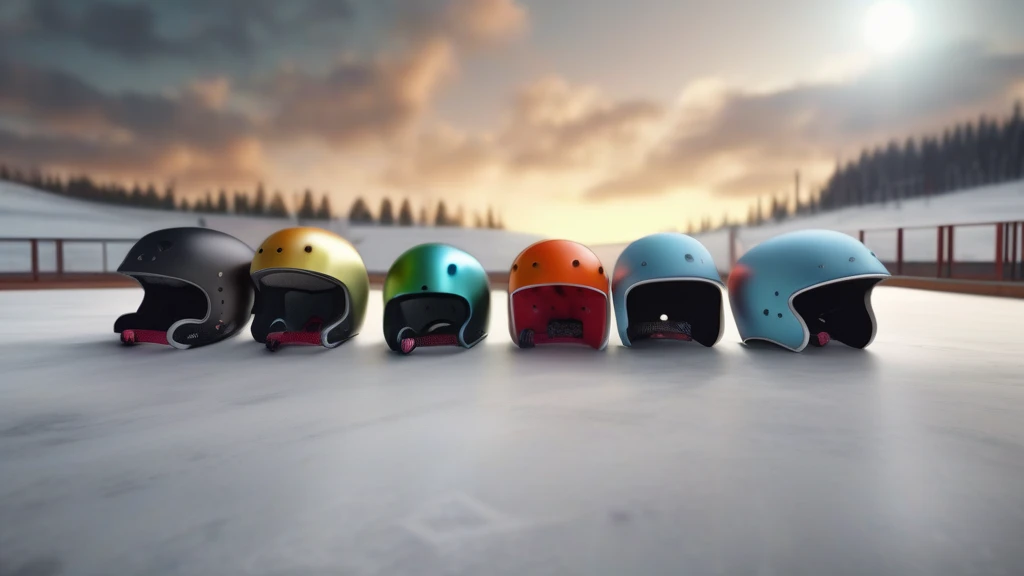
Skate helmets are essential protective gear for a variety of outdoor activities such as skateboarding, BMX riding, scootering, rollerblading, and even kayaking. Choosing the right helmet goes beyond simply picking a cool design—it requires understanding how seasonal changes affect helmet performance, comfort, and safety. This guide breaks down the key considerations for selecting skate helmets tailored to different seasons, ensuring you stay protected and comfortable all year round.
Why Seasonal Considerations Matter for Skate Helmets
The effectiveness of a skate helmet depends on more than just impact protection. Weather conditions influence ventilation, moisture management, material durability, and overall comfort. For example, a helmet that excels in hot summer months with superior airflow may not provide adequate warmth or moisture resistance during cold, wet weather. Conversely, a helmet designed to keep heat in might feel stifling during summer rides.
By choosing a helmet suited for the season, you optimize your safety and enjoyment. Plus, understanding seasonal features helps you select versatile helmets that perform well year-round, reducing the need for multiple helmets and simplifying your gear setup.
Key Features to Consider Across All Seasons
Before diving into seasonal specifics, here are foundational features important for skate helmets regardless of weather:
-
Safety Certifications: Look for helmets certified to standards such as CPSC (Consumer Product Safety Commission), ASTM F1492 (skate-specific), CE EN 1078 (European standard), ISO, and TÜV. These certifications guarantee tested impact protection and reliable build quality.
-
Material Construction: Durable outer shells made from polycarbonate or ABS plastic protect against impacts. Inside, EPS (expanded polystyrene) foam liners absorb shock energy. Some helmets also incorporate carbon fiber reinforcements for enhanced strength with minimal weight.
-
Fit System: Adjustable chin straps, rotational dial fit systems, and multi-size foam pads ensure a snug, customized fit that prevents helmet movement during falls.
-
Ventilation: Multiple strategically placed vents (typically 10-15) promote airflow, crucial for temperature regulation and sweat management.
-
Weight: Lightweight helmets (200-300 grams) reduce neck strain and improve comfort during prolonged wear.
-
Additional Features: Quick-release buckles for convenience, sweat-wicking liners to keep moisture away, reflective details for visibility, and sustainability aspects such as eco-friendly materials and recyclable components.
Summer Skate Helmets: Prioritizing Ventilation and Lightweight Comfort
Why Ventilation Is Critical in Summer
Summer skate sessions often involve intense physical activity under direct sunlight, making overheating a major concern. Helmets optimized for summer feature:
-
High Vent Count: Many summer helmets offer 12 to 15 vents, including large intake vents on the front and exhaust vents on the back, facilitating efficient airflow.
-
Adjustable Vents: Some models include adjustable vent covers allowing riders to regulate airflow based on temperature and activity level.
-
Sweat-Wicking Liners: Moisture-absorbing, quick-drying liners help keep skin dry and prevent irritation.
Material and Color Considerations
-
Light-Colored Shells: Reflect sunlight better, reducing heat absorption.
-
Lightweight Construction: Polycarbonate shells with EPS foam liners keep weight low (often near 200 grams), minimizing fatigue.
Example Use Cases
-
Skateboarders, BMX riders, and scooters in warm climates benefit from helmets designed with mesh venting and moisture management.
-
Lightweight youth helmets with adjustable fit systems accommodate growing heads while maximizing comfort during long summer days.
Fall and Spring: Balancing Ventilation and Protection
During transitional seasons, temperatures fluctuate widely throughout the day. Helmets suitable for spring and fall offer a balanced approach:
-
Moderate Ventilation: Around 10 vents that provide airflow without excessive cooling, preventing chills in cooler morning or evening sessions.
-
Removable or Adjustable Liners: Allow riders to add or remove padding to regulate warmth.
-
Durable Shells: Polycarbonate or ABS plastic shells that withstand moisture from rain or dew.
-
Reflective Elements: As daylight hours shorten, enhanced visibility becomes critical. Helmets with reflective stickers or integrated details improve safety.
Practical Tips
-
Consider helmets with modular liners or vent covers that can be adjusted as temperatures change.
-
Choose models with quick-dry liners for damp conditions common in spring and fall.
Winter Skate Helmets: Focus on Warmth and Weather Resistance
Skating during winter or in colder climates requires helmets that protect not only from impacts but also from cold, wind, and moisture.
Key Features for Winter Helmets
-
Reduced Ventilation: Fewer or smaller vents help retain heat and block cold drafts.
-
Wind and Water Resistance: Some helmets include water-resistant coatings or integrated covers to repel rain and snow.
-
Insulated Liners: Thick, moisture-wicking liners provide warmth while managing sweat.
-
Coverage: Helmets with extended coverage around the ears and back of the head improve warmth and protection.
-
Compatibility with Accessories: Look for helmets designed to accommodate beanies or balaclavas underneath.
Material Innovations
-
Carbon fiber reinforcements add strength without bulk, benefiting riders who want protection without sacrificing warmth.
-
Biodegradable coatings and recyclable components continue to be integrated even in winter helmet designs, aligning with sustainability trends.
Year-Round Helmets: Versatility and Multi-Sport Use
For riders who engage in skateboarding, cycling, BMX, and other outdoor sports across seasons, investing in a versatile helmet is practical.
Features of Year-Round Helmets
-
Balanced Ventilation: Moderate vent count (10-12 vents) optimized for airflow yet not overly open.
-
Multi-Sport Certifications: Helmets meeting multiple standards (CPSC, ASTM F1492, CE EN 1078) offer confidence across activities.
-
Adjustable Fit Systems: Dial systems and interchangeable pads customize comfort through seasonal thickness changes.
-
Removable Liners: Additional padding can be added in cold months and removed during summer.
-
Lightweight but Durable: Polycarbonate shells combined with EPS foam and sometimes carbon fiber maintain strong protection without excess weight.
-
Sustainability: Eco-friendly materials and low carbon manufacturing ensure responsible production.
Portability and Storage
Foldable designs or included carry bags make it easy to transport helmets when not in use, supporting active lifestyles.
How to Choose the Right Helmet for Your Seasonal Needs
-
Assess Your Primary Activities and Climate: If you mainly skateboard in summer, prioritize ventilation. For year-round cycling and skating in variable climates, seek versatile helmets.
-
Check Safety Certifications: Ensure the helmet meets relevant standards for your sport(s).
-
Consider Fit and Comfort: Adjustable straps and dial systems are essential for a secure fit that adapts to seasonal clothing layers.
-
Evaluate Ventilation Features: Match the vent design to your typical weather conditions.
-
Look for Additional Features: Reflective details for low-light conditions, quick-release buckles for convenience, and sweat-wicking liners all enhance your experience.
-
Think Sustainability: If environmental impact is important, seek helmets with recyclable materials and eco-conscious manufacturing.
Maintaining and Caring for Your Skate Helmet Year-Round
Proper maintenance extends the lifespan and safety of your helmet:
-
Clean Regularly: Use mild soap and water to remove sweat and dirt. Avoid harsh chemicals that degrade materials.
-
Inspect for Damage: After any impact, even minor, check for cracks or dents. Replace helmets as recommended by manufacturers, typically every 3-5 years.
-
Store Properly: Keep helmets in a cool, dry place away from direct sunlight and heat sources.
-
Replace Liners and Pads: Swappable liners can be replaced to maintain hygiene and comfort.
Conclusion
Selecting the right skate helmet for every season involves understanding how weather affects helmet performance and comfort. Whether you need maximum airflow for hot summer rides, moderate ventilation for spring and fall, or insulated protection for winter skating, modern skate helmets offer tailored solutions. Prioritizing certified safety, proper fit, and features suited to your environment ensures you stay protected and comfortable no matter the season. By choosing versatile, sustainable helmets with adjustable components, you can confidently enjoy your outdoor sports year-round with peace of mind.