
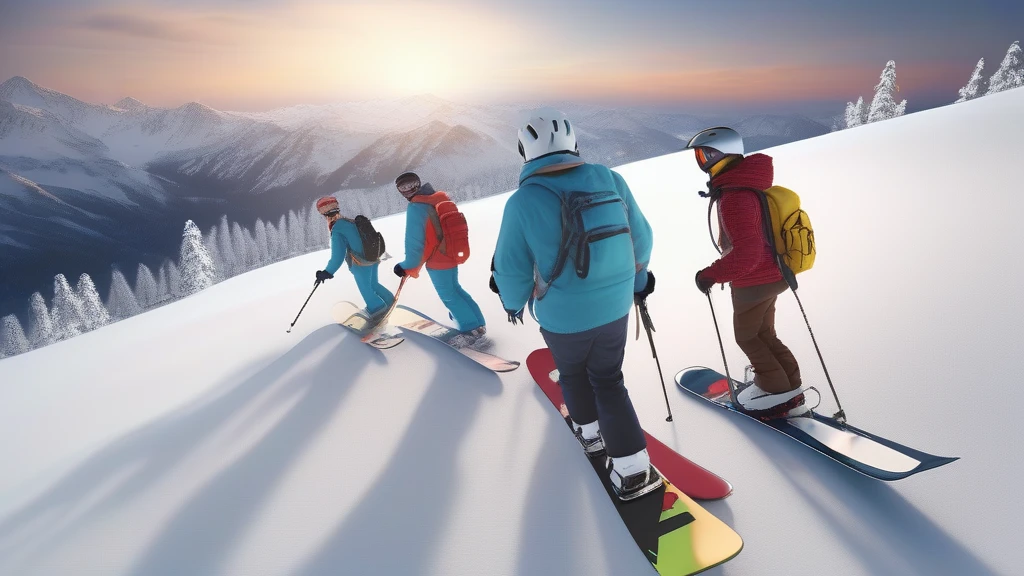
When it comes to winter sports—whether skiing down groomed runs, carving through backcountry powder, or ascending icy cliffs—helmet choice can greatly impact not only your safety but your comfort and enjoyment. Ski and snowboard helmets are specialized gear designed to protect against impact, reduce injury risk, and enhance performance across diverse winter environments. However, selecting the right helmet involves more than just picking a stylish shell. Seasonal conditions, sport-specific demands, and technological features all play a role in finding the ideal fit for your winter adventures.
This comprehensive seasonal guide will help you navigate the key considerations for choosing ski and snowboard helmets that align with your activity, climate, and personal preferences year-round.
Understanding Helmet Safety Standards and Technologies
Before diving into seasonal specifics, it's crucial to understand what makes a helmet truly protective and reliable.
Key Safety Certifications
Ski and snowboard helmets must meet rigorous international safety standards to ensure adequate impact resistance:
- CE EN 1077: A European standard specifically for alpine skiing and snowboarding helmets.
- ASTM F2040: An American standard covering helmets for snow sports.
- ISO Standards: Various global standards that may apply depending on region and helmet model.
Helmets certified under these regulations undergo impact, penetration, and retention testing to validate their protective capabilities.
Impact Mitigation Technologies
Modern helmets often incorporate advanced technologies to reduce rotational forces and multiple impact scenarios:
- MIPS (Multi-directional Impact Protection System): A low-friction layer inside the helmet designed to absorb and redirect rotational energy during angled impacts.
- Multi-impact EPS Foam Liners: Unlike traditional single-impact EPS liners, these provide cushioning for multiple impacts, ideal for riders in terrain parks or backcountry where falls may occur repeatedly.
Choosing helmets with these technologies can add an extra layer of safety, especially in unpredictable winter environments.
Seasonal Considerations: Matching Helmet Features to Weather Conditions
Winter sport conditions vary widely—from icy cold and dry to wet, snowy, or even mild spring days. Selecting helmets with features tailored to seasonal climates ensures comfort and protection.
Winter Peak Season: Cold and Snowy Conditions
In the heart of winter, when temperatures plummet and snow falls thick, helmets need to balance warmth with breathability:
- Insulated, Fleece-lined Interiors: Provide cozy warmth and moisture-wicking to manage sweat during active runs.
- Pressure-free, Detachable Ear Pads: Offer wind protection but can be removed or adjusted for ventilation during warmer spells.
- Adjustable Ventilation with Removable Vent Covers: Allows you to seal vents to retain heat or open them to release excess warmth—critical on cold, clear days.
- Anti-fog Airflow Systems: Prevent goggles from fogging, especially when humidity is high inside the helmet.
Materials such as polycarbonate or ABS shells with hybrid composites provide durable protection against impacts and cold temperatures without adding unnecessary weight.
Spring and Early Fall: Variable Temperatures and Mixed Conditions
During transitional seasons, weather can fluctuate between mild sun and chilly wind or rain:
- Lightweight Shells: Carbon fiber or hybrid composite helmets excel here, offering superior strength-to-weight ratios and enhanced portability.
- Enhanced Ventilation: Helmets with multiple vents and removable vent covers help regulate temperature effectively.
- Sweat-Wicking Liners: Essential to keep you dry when temperatures rise or during intense activity.
For riders who enjoy year-round mountain access, helmets that adapt through adjustable fit and ventilation systems are invaluable.
Backcountry and Ice Climbing: Extreme Conditions and Multifunction Use
Adventurers tackling backcountry skiing, ice climbing, or snowmobiling face additional risks and environmental challenges:
- Multi-impact EPS Foam and MIPS: Critical for unpredictable terrain and potential falls.
- Quick-release Chin Straps: Facilitate fast removal in emergencies.
- Compatibility with Communication Devices: For group expeditions, helmets designed with integrated mounts or space for radios and headsets enhance safety.
- Durable, Hybrid Composite Shells: Withstand abrasion from rocks and ice, while remaining lightweight for long excursions.
- Pressure-free Ear Pads and Adjustable Fit Systems (e.g., Dial Fit): Support long hours of wear without discomfort.
Sustainability-conscious backcountry users often seek helmets manufactured through low-carbon processes with recyclable components, aligning their gear with environmental stewardship values.
Fit and Comfort: Essential Factors for All-Season Use
No matter the season, a helmet must fit well to perform optimally. Poor fit compromises safety and causes discomfort that can ruin a day on the slopes.
Adjustable Fit Systems
Look for helmets featuring:
- Dial Fit Mechanisms: Allow micro-adjustments for a snug, personalized fit.
- Multi-size Padding Sets: Enable fine-tuning inside the helmet for varying head shapes and sizes.
- Ergonomic Designs: Contour to the natural head shape, reducing pressure points.
Ventilation Control
Helmets with multiple vents, often with removable covers or slider controls, enable you to adapt airflow based on activity intensity and weather.
Goggle Compatibility
Seamless integration with goggles is vital:
- Magnetic or Clip Holders: Secure goggles firmly in place, preventing slipping during rapid movement.
- Over-the-Helmet Designs: Accommodate larger goggle frames and improve comfort.
Comfort Liners and Ear Pads
- Sweat-wicking, Fleece-lined Interiors: Keep moisture away and maintain warmth.
- Detachable Ear Pads: Offer flexibility for changing temperatures or preferences.
Maintenance and Longevity: Caring for Your Helmet Year-Round
Proper maintenance extends helmet life and preserves safety features:
- Regular Cleaning: Use mild soap and water to clean the shell and liners; avoid harsh chemicals that degrade materials.
- Inspect for Damage: After any impact, inspect the helmet for cracks or dents. Many EPS liners cannot reliably protect after a hard impact and should be replaced.
- Store Properly: Keep helmets in a cool, dry place away from direct sunlight and extreme temperatures.
- Replace Worn or Missing Parts: Such as chin straps, padding, or vent covers to maintain functionality.
Environmental Responsibility: Choosing Eco-Friendly Helmets
Many manufacturers now emphasize sustainability in helmet production:
- Recyclable Components: Helmets designed with materials that can be recycled at end-of-life reduce landfill waste.
- Low Carbon Manufacturing: Processes that minimize energy consumption and emissions.
- Use of Recycled Materials: Some helmets incorporate recycled plastics or composites without compromising safety.
Selecting eco-conscious helmets supports environmental stewardship while enjoying winter sports.
Summary: Selecting Helmets for Every Season and Sport
| Season / Use Case | Recommended Helmet Features |
|---|---|
| Peak Winter | Insulated liners, pressure-free ear pads, adjustable ventilation with removable vent covers, anti-fog airflow |
| Spring / Early Fall | Lightweight carbon fiber/hybrid shells, enhanced ventilation, sweat-wicking liners |
| Backcountry & Ice Climbing | Multi-impact EPS, MIPS, quick-release chin straps, durable hybrid shells, communication device compatibility |
| All-Season Fit | Adjustable Dial Fit systems, multi-size padding, ergonomic design, goggle integration features |
| Eco-Conscious Choice | Recyclable materials, low-carbon manufacturing, recycled content |
By understanding seasonal demands and helmet technologies, winter sports enthusiasts can select gear that delivers optimal safety, comfort, and environmental responsibility year-round. Prioritize certified protection, adaptable features, and sustainable design to enhance your winter recreation experience with confidence and style.
Choosing the right ski or snowboard helmet is a critical step toward safe, enjoyable winter sports participation. Whether you seek warmth on a chilly winter morning, ventilation on a sunny spring day, or rugged durability for backcountry exploration, informed choices empower you to protect your head while embracing the thrill of the mountains in every season.