
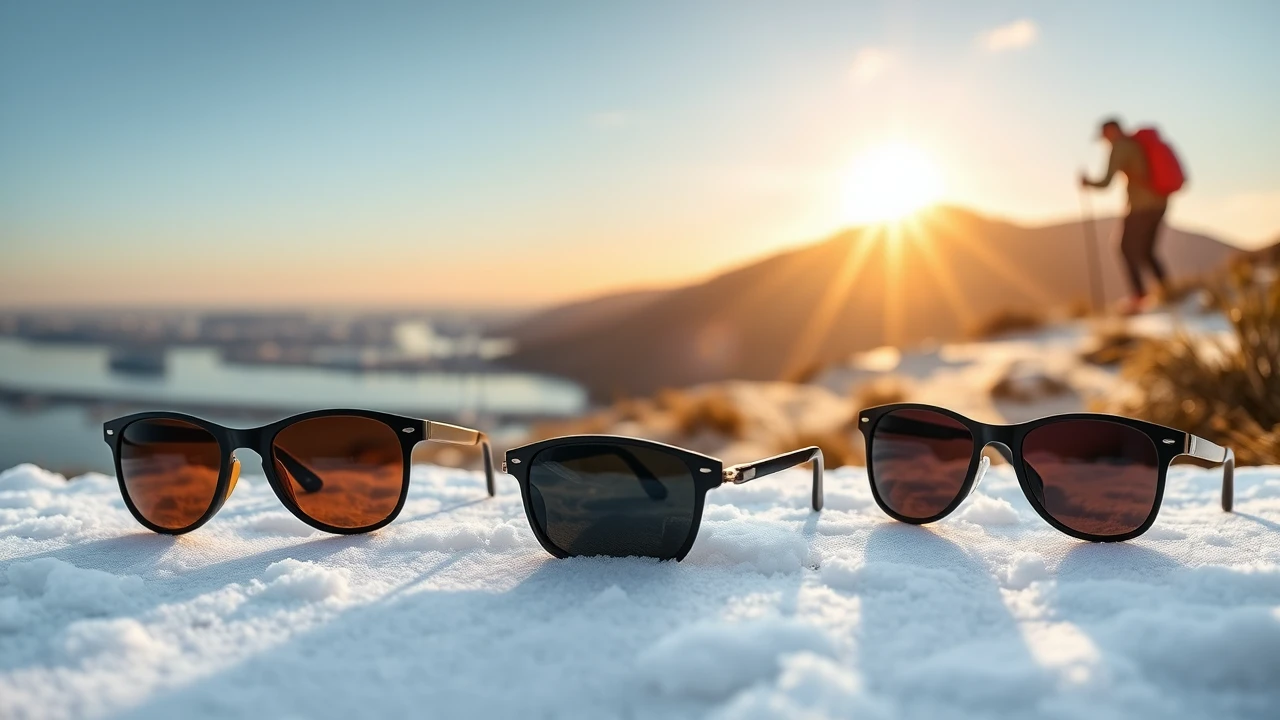
Sunglasses are no longer just a summer staple; they’re an essential accessory year-round, blending fashion with advanced optical technology to protect your eyes and elevate your style. Whether you’re navigating bright winter snow, enjoying springtime hikes, or relaxing on a sunny beach, the right pair of sunglasses can enhance your visual comfort and safeguard your eye health. This seasonal guide explores how to choose sunglasses adapted to each time of year, factoring in weather conditions, activities, and style preferences.
Understanding Lens Technologies: The Foundation of Year-Round Sunglasses
Before diving into seasonal specifics, it’s important to understand the key lens technologies that make modern sunglasses versatile and effective.
Polarized Lenses: Cutting Through Glare
Polarized lenses are designed to reduce glare from reflective surfaces such as water, snow, and roads. By filtering horizontal light waves, they enhance clarity and reduce eye strain, making them ideal for summer beach days, driving, and winter sports.
Photochromic Lenses: Adapting to Changing Light
Photochromic lenses darken and lighten automatically in response to UV exposure. This adaptability makes them perfect for transitional seasons like spring and fall, when daylight conditions can vary widely. They allow seamless adjustment from bright sunlight to overcast skies without needing to switch glasses.
Prizm and ChromaPop Lenses: Enhanced Color and Contrast
Proprietary technologies like Prizm and ChromaPop lenses go beyond polarization by boosting color contrast and visual clarity. Prizm lenses, for example, fine-tune specific wavelengths of light to make details pop, which is especially beneficial for outdoor sports and urban exploring. ChromaPop lenses filter two specific light wavelengths to reveal vivid colors and sharper definition, improving overall visual experience.
Spring: Embrace Versatility and Fresh Styles
Spring’s fluctuating weather calls for sunglasses that can keep up with unpredictable light conditions and outdoor activities.
Recommended Lens Features
- Photochromic lenses are ideal for spring as they adjust automatically between bright sunshine and cloudy days.
- Medium tint colors such as brown or gray provide balanced light filtering, making them versatile for various environments.
- Polarized lenses remain useful for outdoor activities like hiking or boating, where glare can still be an issue.
Frame Styles and Materials
Spring fashion often favors lighter frames, such as rimless or thin metal aviators, which offer breathability and a modern look. Lightweight materials like acetate and aluminum provide durability without sacrificing comfort during longer wear.
Styling Tips
Pair spring sunglasses with casual layers and pastel-colored accessories. Round or square frames in neutral tones complement the season’s fresh vibe while maintaining timeless appeal.
Summer: Prioritize Maximum Protection and Bold Fashion
Summer brings intense sunlight and prolonged outdoor exposure, making eye protection and glare reduction top priorities.
Recommended Lens Features
- Polarized lenses are essential for combating harsh glare from water, sand, and pavement.
- Lens colors like dark gray, black, or green minimize brightness without distorting colors.
- Consider Prizm lenses designed specifically for beach or water sports, which enhance contrast and detail.
- UV protection of 100% is non-negotiable for safeguarding against harmful rays.
Frame Styles and Materials
Durable yet lightweight frames such as nylon or polycarbonate withstand sweat and active use. Classic shapes like aviators and rectangle frames offer broad coverage and suit most face shapes. Rimmed designs provide sturdiness for high-energy activities.
Styling Tips
Summer is the perfect time to experiment with vibrant lens colors such as blue, pink, or purple, which add a playful edge to your look. Match sunglasses with swimwear or activewear for a cohesive, fashion-forward outfit.
Fall: Balance Between Bright and Overcast Conditions
Fall’s variable lighting and outdoor adventures require sunglasses that can transition smoothly and keep up with style trends.
Recommended Lens Features
- Photochromic lenses remain a top choice for adapting to decreasing daylight and fluctuating weather.
- Lens colors like brown and amber enhance contrast, making them ideal for autumn landscapes and driving.
- Polarized lenses continue to reduce glare, especially during sunny fall afternoons.
Frame Styles and Materials
Classic frame shapes like square and rectangle in warm tones (tortoiseshell, bronze) complement autumn’s earthy palette. Materials with a matte finish add subtle sophistication and resist showing fingerprints from seasonal jackets and gloves.
Styling Tips
Incorporate sunglasses into layered outfits featuring scarves and leather jackets. Opt for rimmed frames with a vintage flair to match the cozy, transitional feel of the season.
Winter: Combat Snow Glare and Low Light
Winter conditions present unique challenges—from bright snow glare to dim, overcast days—making specialized sunglasses crucial.
Recommended Lens Features
- Polarized lenses dramatically reduce snow and ice glare, protecting your eyes during skiing, snowboarding, or winter driving.
- Photochromic lenses can be less effective in extremely cold conditions but still helpful for fluctuating daylight.
- Lens colors like gray and brown maintain natural color perception in snowy environments.
- Look for lenses with anti-fog and scratch-resistant coatings to enhance performance in cold, moist conditions.
Frame Styles and Materials
Wrap-around frames provide additional coverage against wind and debris, essential for winter sports enthusiasts. Frames made from sturdy, flexible materials like TR90 or carbon fiber offer durability and comfort with helmet compatibility.
Styling Tips
Winter sunglasses tend to be more functional, but that doesn’t mean sacrificing style. Choose bold but practical frames in neutral colors like black or gunmetal to complement heavier outerwear.
Year-Round Sunglasses: Features to Look For
If you prefer a single pair of sunglasses that can carry you through every season, seek the following qualities:
- Photochromic lenses with polarized coating combine adaptability and glare reduction.
- Durable, lightweight frames in versatile shapes like aviator or rectangle suit most face shapes and occasions.
- UV400 protection to block 100% of UVA and UVB rays.
- Comfort features such as adjustable nose pads and spring hinges.
- A neutral lens color (gray or brown) that balances brightness reduction and color accuracy.
Such sunglasses provide convenience and consistent protection whether you’re driving through winter sun or enjoying summer festivals.
Matching Sunglasses to Face Shape and Style Preferences
Choosing the right frame shape enhances comfort and complements your features:
- Oval faces can wear most frame shapes—including aviator, round, and square.
- Round faces benefit from angular frames like rectangle or square to add structure.
- Square faces look great with round or oval frames that soften strong jawlines.
- Heart-shaped faces suit bottom-heavy frames or rimless designs to balance the forehead.
Consider your personal style—classic minimalism often favors rimless or thin metal frames, while fashion-forward looks embrace bold colors and oversized shapes.
Conclusion
Selecting sunglasses with seasonal considerations in mind ensures you enjoy optimal vision, eye protection, and style all year. From polarized lenses for summer glare to photochromic adaptability in spring and fall, and protective wrap-around frames for winter sports, the right sunglasses can elevate your outdoor experiences and daily outfits alike.
By understanding lens technologies, frame types, and pairing options for your face shape and activities, you can make informed choices that blend fashion with function—keeping your eyes comfortable and your look on point, no matter the season.