
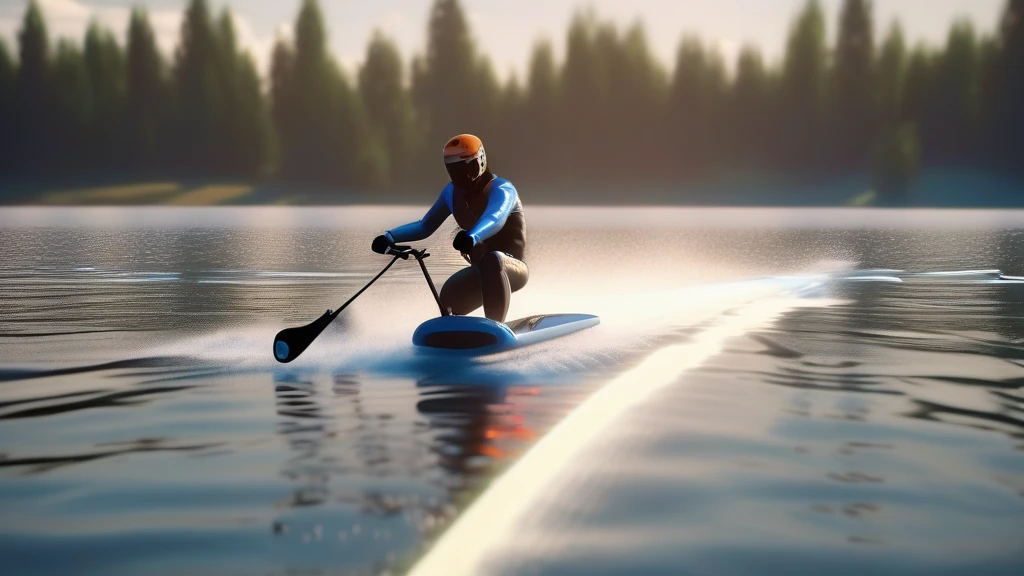
Trick water skiing is a thrilling sport that demands agility, precision, and balance. Whether you’re spinning, flipping, or gliding across the water, the right pair of trick water skis can make all the difference. However, seasonal changes and weather conditions can impact your performance and equipment choice. This comprehensive seasonal guide will help you select the best trick water skis for every time of year, ensuring you maintain top performance and safety no matter the conditions.
Understanding Trick Water Skis: Core Features and Construction
Before delving into seasonal considerations, it’s important to understand what defines trick water skis. These skis are engineered for freestyle and technical maneuvers, emphasizing lightweight design, durability, and control.
- Materials: Commonly crafted from carbon fiber, Kevlar, fiberglass, and aluminum, trick skis balance strength with lightness. Carbon fiber and Kevlar reinforcements provide rigidity for sharp turns and impacts, while fiberglass layers add flexibility.
- Size and Portability: Typically compact, ranging from 40 to 48 inches, they are easy to transport and store. Many models feature foldable designs and come with carry bags.
- Fin Systems: Adjustable and detachable fins allow customization of grip and maneuverability, critical for performing spins and rapid directional changes.
- Boot Styles: From open-toe to closed-toe, fixed or adjustable bindings, these options affect comfort, control, and safety.
- Safety Features: Anti-slip bindings, quick-release mechanisms, and smooth edges help prevent injuries during high-impact tricks.
- Eco-Conscious Elements: Some skis feature biodegradable coatings and recyclable components, supporting sustainable water sports.
With these characteristics in mind, let’s explore how seasonal factors influence your choice of trick water skis.
Spring: Preparing for Prime Trick Skiing Season
Spring marks the transition to warmer weather and calmer waters—a perfect time to sharpen your freestyle skills.
Weather and Water Conditions
- Water temperatures are rising but can still be cool, especially early in the season.
- Wind can be variable, creating choppier surfaces.
- UV exposure begins increasing with longer days.
Best Trick Ski Characteristics for Spring
- Material Durability and UV Resistance: Choose skis with UV-resistant coatings, such as those made from fiberglass reinforced with carbon fiber and Kevlar, to protect against early-season sun damage.
- Adjustable Fins: Variable water conditions mean fins that can be adjusted or detached offer better control and adaptability.
- Boot Flexibility: Adjustable bindings accommodate thicker neoprene booties or wetsuits, which may be necessary in cooler spring water.
- Lightweight Construction: Helps maintain agility when water surfaces are less predictable.
Practical Tips
- Inspect and clean skis after winter storage to remove any debris or moisture that could degrade materials.
- Test fin settings to match spring water conditions, favoring moderate grip for maneuverability.
- Consider eco-friendly skis if you want to align your sport with sustainable practices emerging this season.
Summer: Peak Performance in Warm Weather
Summer is the high season for trick water skiing, with warm temperatures and calm, glassy lakes ideal for high-impact tricks.
Weather and Water Conditions
- Warm water and air temperatures encourage longer sessions.
- Typically calmer water surfaces enable more precise freestyle maneuvers.
- Increased sunlight requires robust UV protection.
Best Trick Ski Characteristics for Summer
- Carbon Fiber and Kevlar Composite Skis: These materials offer the ultimate lightweight and durable construction needed for intense, competitive tricks.
- Detachable Fin Systems: Allow quick adjustments for different trick styles or water conditions, providing maximum responsiveness.
- Closed-Toe, Adjustable Bindings: Provide firm foot support for aggressive spins and landings, ensuring safety and comfort during extended use.
- Anti-Slip Features: Essential for sweaty conditions to maintain grip and prevent slips during complex moves.
Practical Tips
- Use quick-release bindings to facilitate fast exits during wipeouts.
- Opt for skis with foldable designs and carry bags to easily transport between lakes and competitions.
- Regularly apply UV-protective sprays or waxes to extend the lifespan of your skis.
Fall: Transitioning with Changing Conditions
Fall often brings cooler temperatures and more variable weather, requiring adaptability in your equipment.
Weather and Water Conditions
- Water temperatures begin to drop, potentially affecting boot comfort.
- Wind can increase, causing choppy waters.
- Shortening daylight hours may limit skiing time.
Best Trick Ski Characteristics for Fall
- Fiberglass Skis with Reinforced Layers: Provide a balance of flexibility and strength to handle choppier conditions without sacrificing control.
- Adjustable Fin Systems: Essential for fine-tuning grip on less predictable water surfaces.
- Open-Toe Bindings with Adjustable Straps: Facilitate quicker drying and ventilation as temperatures fluctuate, while allowing boot adjustments for added insulation.
- Weather-Resistant Coatings: Protect skis from moisture infiltration and temperature-induced material stress.
Practical Tips
- Consider layering your footgear with thermal wetsuit booties compatible with your binding type.
- Perform a thorough maintenance check for any damage sustained during summer use.
- Store your skis in a cool, dry place after sessions to prevent warping or material fatigue.
Winter: Off-Season Storage and Training Considerations
While trick water skiing is less common in winter, preparation during the off-season is crucial.
Weather and Water Conditions
- Cold temperatures and frozen bodies of water generally preclude active skiing.
- Off-season is ideal for equipment maintenance and physical conditioning.
Best Trick Ski Characteristics for Winter Care
- Durable Construction Materials: Carbon fiber and Kevlar skis withstand off-season storage without degradation.
- Protective Carry Bags: Thick, padded bags prevent damage during storage and transport.
- Detachable Fins and Bindings: Remove these components and store them separately to avoid warping or corrosion.
Practical Tips
- Clean skis thoroughly with fresh water to remove salt or debris.
- Apply protective coatings or wax designed for off-season care.
- Store skis in a climate-controlled environment to maintain material integrity.
- Work on balance, core strength, and flexibility through dryland training to prepare for spring.
Year-Round Considerations for Selecting Trick Water Skis
While seasonal conditions influence your trick ski choice, some features are universally valuable:
Material Technology
- Carbon Fiber vs. Fiberglass: Carbon fiber skis are lighter and stiffer, ideal for advanced and competitive skiers seeking precision. Fiberglass offers more flex and durability for beginners or recreational use.
- Kevlar Reinforcement: Adds impact resistance, crucial for absorbing shocks during high jumps and landings.
Fin Configurations
- Adjustable vs. Fixed Fins: Adjustable fins enhance versatility across seasons and skill levels, allowing you to tweak grip and turning radius.
- Detachable Fins: Facilitate transport and enable quick swaps for different water conditions.
Boot Styles
- Open-Toe Bindings: Preferred in warmer seasons for ventilation and quick drying.
- Closed-Toe Bindings: Offer superior protection and support, beneficial in colder months or for aggressive skiing.
- Adjustable vs. Fixed: Adjustable bindings accommodate changes in foot size or boot thickness, enhancing comfort.
Safety and Ergonomics
- Anti-Slip Bindings and Rounded Edges: Reduce injury risk throughout the year.
- Quick-Release Mechanisms: Critical for emergency exits during complex tricks.
Environmental Impact
- Eco-Friendly Materials and Coatings: Support sustainable water sports practices, a growing priority for many athletes.
Conclusion
Selecting the right trick water skis for each season involves understanding how environmental factors affect both your performance and equipment. Spring and fall demand adaptability and protection against variable conditions, summer calls for the lightest, most responsive skis with robust UV resistance, and winter is a time for meticulous care and off-season preparation.
By focusing on material technology, fin and binding configurations, safety features, and eco-friendly innovations, you can find skis that enhance your agility, stability, and control year-round. Whether you’re a beginner refining your balance or a pro perfecting competitive tricks, aligning your equipment choices with seasonal demands ensures you maximize enjoyment and longevity in your trick water skiing journey.