
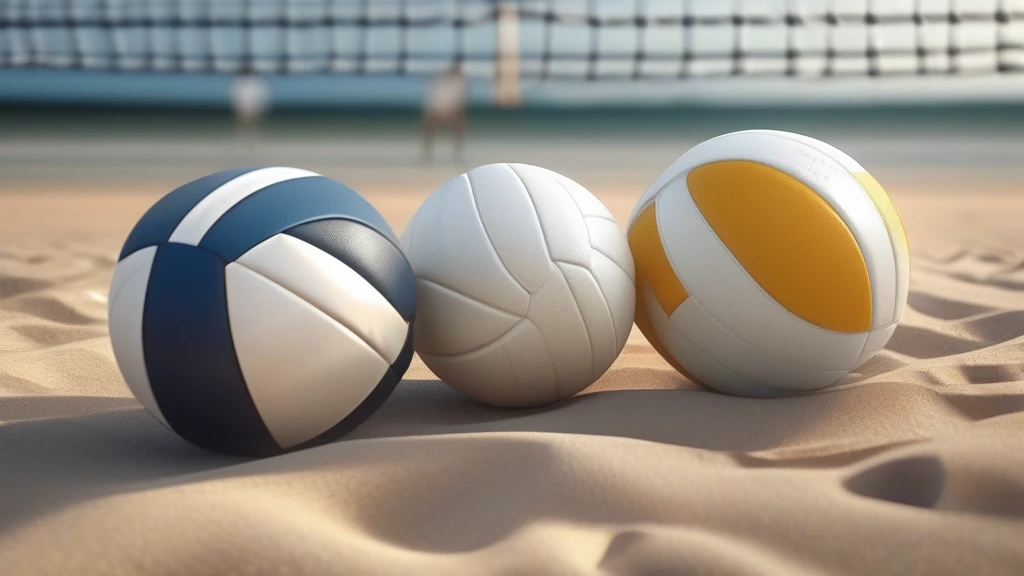
Volleyball is a dynamic sport played year-round, across varied environments—from climate-controlled indoor courts to sun-soaked beaches and multi-surface outdoor settings. Selecting the right volleyball for each season and playing condition is crucial for maximizing performance, durability, and enjoyment. This comprehensive guide explores how seasonal weather and venue factors influence volleyball selection. We’ll also highlight key product features, certification standards, and maintenance tips that help players and coaches make informed choices all year long.
Understanding Volleyball Types and Their Seasonal Suitability
Volleyballs vary widely in design, materials, and construction based on their intended use. Here’s a breakdown of the main types and how they align with seasonal play:
Indoor Volleyballs: The Year-Round Staple for Controlled Environments
Indoor volleyballs are designed primarily for play in gymnasiums or other enclosed courts. Their construction focuses on precision, durability, and consistent performance on polished wood or synthetic floors.
- Materials and Construction: Most indoor balls feature composite or synthetic leather covers with microfiber overlays for a soft yet durable feel. High-tension panel stitching enhances shape retention and longevity.
- Air Retention: Butyl bladders dominate indoor volleyballs, offering superior air retention to maintain consistent pressure and bounce.
- Grip and Control: Textured surfaces improve ball control and reduce slippage during fast-paced rallies.
- Certifications: Many indoor volleyballs meet FIVB or NCAA regulation standards, ensuring they conform to official size (around 65–67 cm circumference) and weight (260–280 grams) requirements.
Seasonal Tip: Indoor volleyballs perform optimally year-round in temperature-controlled environments, making them ideal for winter training and competitive matches when outdoor play is limited or impractical.
Beach Volleyballs: Built to Withstand Sun, Sand, and Saltwater
Beach volleyball demands balls engineered to handle harsher conditions—UV exposure, moisture, and abrasive sand.
- Waterproof and UV-Resistant Coatings: These features protect the ball’s surface from sun damage and water absorption, preventing degradation and weight fluctuations.
- Materials: Beach volleyballs typically use durable, tear-resistant rubber or synthetic leather blends that resist rough handling and maintain texture after repeated contact with sand.
- Grip: An anti-slip surface texture ensures players maintain control even with sandy or sweaty hands.
- Bladders: Latex bladders offer a livelier bounce but may require more frequent inflation; some premium models incorporate specialized air retention systems to balance performance and maintenance.
- Size and Weight: Beach balls are slightly larger (around 66–68 cm circumference) and lighter (typically 260 grams) than indoor balls for better float and control in outdoor conditions.
Seasonal Tip: Beach volleyballs shine in spring, summer, and early fall when outdoor weather is warm and dry. Their weather-resistant properties make them unsuitable for cold or wet winter play, as materials can harden or crack.
Multi-Surface Volleyballs: Versatile Options for Variable Weather and Courts
Multi-surface balls are designed to perform well on grass, asphalt, or outdoor court surfaces where conditions may fluctuate.
- Materials: These often combine synthetic leather with reinforced stitching and durable rubber components to resist abrasion and impact.
- Air Retention: Butyl bladders are common for consistent inflation, with some models featuring adjustable pressure settings to tailor responsiveness.
- Surface Texture: Enhanced grip patterns accommodate sweat, dirt, and variable weather without compromising control.
- Weight and Size: They generally conform to regulation size and weight, suitable for recreational leagues and training.
Seasonal Tip: Multi-surface volleyballs are perfect for transitional seasons like spring and fall when weather can be unpredictable. Their durability and grip features support consistent play outdoors in mild rain or wind.
Key Considerations for Choosing Volleyballs by Season
Weather Conditions and Material Durability
- Cold Weather: Synthetic leather can stiffen in low temperatures, reducing responsiveness. Opt for indoor volleyballs or multi-surface balls with materials rated for cold resistance.
- Hot Weather and UV Exposure: Choose balls with UV-resistant coatings and waterproof membranes to prevent fading and water damage.
- Humidity and Rain: Waterproof volleyballs maintain performance and prevent waterlogging; avoid indoor balls outdoors in wet conditions unless under shelter.
Skill Level and Play Type
- Professional and Tournament Play: Certified balls meeting FIVB, NCAA, or ISO standards ensure consistent bounce, weight, and size, crucial for fair competition.
- Training and Practice: Adjustable pressure balls or lightweight training models help players refine technique without undue fatigue.
- Recreational Use: Multi-surface volleyballs offer durability and versatility for casual play across various environments.
Sustainability and Environmental Responsibility
Modern volleyballs increasingly incorporate eco-friendly materials such as recyclable synthetic leather and non-toxic coatings. Many manufacturers employ sustainable production processes to reduce environmental impact.
- Look for: Balls labeled with recyclable components, low-VOC adhesives, or certifications from environmental organizations.
- Benefit: Sustainable volleyballs offer durability without compromising performance, appealing to environmentally conscious players and organizations.
Maintenance Tips to Extend Volleyball Lifespan Across Seasons
Proper care ensures your volleyball performs well season after season, regardless of type or weather.
- Inflation: Use a pressure gauge to maintain recommended PSI—typically between 4.3 and 4.6 psi for indoor balls and slightly less for beach balls. Over- or under-inflation affects bounce and control.
- Storage: Keep volleyballs in cool, dry places away from direct sunlight or extreme temperatures to prevent material breakdown.
- Cleaning: Wipe balls with a damp cloth to remove dirt and sand; avoid harsh chemicals that degrade surfaces.
- Repairs: Some volleyballs come with repair kits for punctures or can be patched with specialized adhesives to fix minor damage.
- Rotation: If possible, rotate balls during practice sessions to distribute wear evenly.
Optimizing Training with Adjustable and Specialized Volleyballs
Training volleyballs with customizable features can enhance skill development year-round.
- Adjustable Pressure Balls: Allow players to modify bounce and responsiveness, aiding drills focused on control or power.
- Training Sizes: Smaller or lighter balls can help beginners develop hand-eye coordination or serve technique safely.
- Impact-Resistant Models: Designed for extended sessions, these balls reduce fatigue and injury risk.
Such features are especially beneficial during off-season periods when players focus on skill refinement and conditioning.
Conclusion: Making Smart Seasonal Volleyball Choices
Choosing the right volleyball involves balancing environmental conditions, play style, and certification standards. Indoor volleyballs excel in climate-controlled settings and cold weather months, while beach volleyballs deliver durability and performance in warm, sunny conditions. Multi-surface balls offer versatility for unpredictable weather and diverse playing fields. Prioritizing material quality, air retention, grip texture, and eco-conscious manufacturing will ensure optimal playability and longevity.
By understanding these seasonal considerations and product characteristics, athletes, coaches, and enthusiasts can select volleyballs best suited to their needs—enhancing performance, enjoyment, and sustainability throughout the year.