
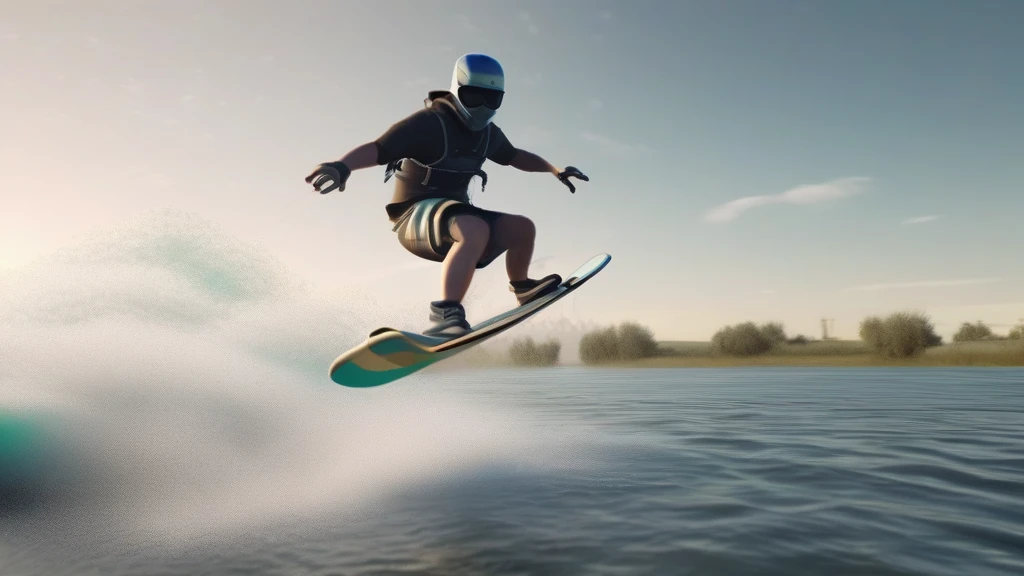
Wakeboarding is a thrilling water sport that combines speed, style, and skill. Whether you are a novice learning the basics or an advanced rider perfecting your tricks, choosing the right wakeboard to match the season and conditions can significantly enhance your experience. This comprehensive seasonal guide explores how to select the best wakeboards throughout the year, taking into account weather variations, material performance, and riding style adaptations.
Understanding Wakeboards: Key Features to Consider Year-Round
Before diving into seasonal specifics, it’s important to understand the fundamental wakeboard characteristics that influence performance and user experience:
-
Core Materials: Wakeboards often feature cores made from wood, fiberglass composites, or carbon fiber. Wood cores provide natural flex and durability, fiberglass blends offer lightweight strength, and carbon fiber cores deliver maximum stiffness and responsiveness for high-performance riding.
-
Rocker Profiles: The rocker—the curvature of the board from tip to tail—affects speed and maneuverability. Common types include:
- Continuous rocker: Smooth curve for faster speeds and smooth landings.
- 3-stage rocker: Angled segments that create a poppy feel and higher jumps.
- Hybrid rocker: Combination of continuous and 3-stage, balancing speed and pop.
-
High rocker: Aggressive curve for maneuverability in choppy water.
-
Fin Configurations: Fins stabilize the board and influence control. Options range from no fins (ideal for cable parks) to single, twin, or quad fin setups for enhanced tracking and grip on the water.
-
Safety Features: Reinforced edges, protective rails, ergonomic bindings, and quick-release systems enhance rider protection and comfort.
With these features in mind, let’s explore how seasonal conditions impact wakeboard selection.
Spring Wakeboarding: Embracing Variable Conditions
Spring often brings cooler water temperatures and unpredictable weather. Riders should prioritize wakeboards that balance stability and responsiveness while accommodating gradual skill progression.
Recommended Board Characteristics for Spring
-
Material: A fiberglass composite core with some wood elements is a great choice. This combination offers durability and moderate flex, absorbing choppy wakes common during spring.
-
Rocker Profile: A hybrid rocker suits spring conditions well, providing a balance between speed and pop. It allows riders to adapt to fluctuating water textures as the season transitions.
-
Fins: A twin or tri-fin setup stabilizes the board for less predictable wakes, aiding beginner and intermediate riders in maintaining control.
Practical Tips
- Opt for boards with ergonomic bindings that allow some flexibility, as your muscles may still be warming up after winter.
- Consider models with reinforced edges to withstand occasional impacts from harder landings on cooler, denser water.
- Use carry bags with insulation or padding to protect your board during chilly spring transport.
Summer Wakeboarding: Peak Performance in Warm Waters
Summer is the prime season for wakeboarding, with warm water and longer days inviting extended sessions. Riders often push their limits and try new tricks, so choosing a high-performance board with advanced features is essential.
Recommended Board Characteristics for Summer
-
Material: Carbon fiber core wakeboards shine in summer due to their lightweight and stiff construction, offering maximum pop and precision for freestyle tricks and jumps.
-
Rocker Profile: A 3-stage or high rocker profile provides explosive lift off the wake, perfect for competition-level riders aiming for big air and technical maneuvers.
-
Fins: Adjustable quad fin setups grant superior grip and allow customization based on the rider’s style and water conditions.
Practical Tips
- Look for boards with quick-release bindings for fast adjustments during intense sessions.
- Prioritize wakeboards that meet marine safety certifications like ISO or CE to ensure maximum safety during high-speed runs.
- Consider eco-friendly boards produced with recyclable materials or sustainable manufacturing processes, reflecting the growing environmental consciousness in the wakeboarding community.
Fall Wakeboarding: Adapting to Cooling Waters and Changing Weather
As temperatures drop and water conditions become more varied, fall wakeboarding requires boards that offer forgiveness and adaptability.
Recommended Board Characteristics for Fall
-
Material: Composite blends with wood cores provide the right balance of flex and durability, helping riders maintain smooth control as water cools and wakes get choppier.
-
Rocker Profile: Continuous rockers are ideal for maintaining speed and smooth landings during the season’s often choppy and unpredictable water.
-
Fins: Twin-fin configurations enhance stability without sacrificing maneuverability, making them suitable for intermediate riders adapting to changing conditions.
Practical Tips
- Choose boards with protective rails and reinforced edges to minimize damage from harder landings as riders attempt more ambitious tricks.
- Insulated bindings or neoprene booties can keep feet warm during cooler fall sessions.
- Maintain your board with regular inspections and cleanings to prevent wear from colder, denser water exposure.
Winter Wakeboarding: Specialized Choices for Cold-Weather Riding
Although less common, some riders enjoy wakeboarding in winter conditions, especially in regions with milder climates or with access to heated lakes and indoor cable parks.
Recommended Board Characteristics for Winter
-
Material: Boards with wood cores paired with composite reinforcements help maintain flexibility in cold water, which can otherwise make some materials brittle.
-
Rocker Profile: Continuous or hybrid rockers provide smooth rides on often calm but cold water surfaces.
-
Fins: No-fin or low-profile fin setups are preferred in cable park environments frequently used during winter, reducing drag and allowing quick directional changes.
Practical Tips
- Invest in wakeboards with quick-drying, insulated bindings to prevent discomfort from cold water.
- Consider eco-friendly boards made from biodegradable components to reduce environmental impact in fragile winter ecosystems.
- Always check warranty coverage for cold-weather use, as some manufacturers may have specific guidelines regarding temperature exposure.
Year-Round Wakeboard Selection: Versatility and Durability
If you wakeboard across multiple seasons or travel frequently, selecting a versatile, durable board is key.
Features of an Ideal Year-Round Wakeboard
-
Material: Fiberglass composite with a wood core offers the durability needed for diverse conditions without sacrificing lightweight performance.
-
Rocker Profile: Hybrid rockers provide an adaptable ride, suitable for a range of water types and rider skill levels.
-
Fin Setup: Adjustable fin kits allow customization for different seasons — adding more fins in rougher water or removing fins for smooth cable park rides.
-
Safety and Convenience: Reinforced edges, ergonomic bindings, and quick-release systems enhance comfort and safety. Carry bags with padded compartments and weather-resistant materials protect your investment during transport and storage.
Maintenance Tips for Year-Round Use
- Rinse your wakeboard with fresh water after each session to prevent salt or debris buildup.
- Store your board in a cool, dry place away from direct sunlight to prevent material degradation.
- Regularly inspect bindings, fins, and edges for wear, and promptly repair any damage.
Conclusion
Choosing the right wakeboard for each season involves understanding how materials, rocker profiles, fin configurations, and safety features interact with seasonal water and weather conditions. Beginners benefit from stable, forgiving boards with continuous or hybrid rockers and moderate fin setups, especially in spring and fall. Advanced riders thrive in summer with high-performance carbon fiber boards featuring aggressive rocker profiles and customizable fin systems. Winter and cable park enthusiasts should consider no-fin or specialized fin designs alongside durable, flexible materials that endure cold water.
By considering these seasonal insights and selecting wakeboards that align with your environment and skill progression, you can enjoy safer, more enjoyable, and more exhilarating rides all year long. Sustainable manufacturing and eco-conscious materials further enhance the wakeboarding experience by protecting the waters we love to ride. Whether paddling into spring’s first waves or chasing summer air, the right wakeboard makes all the difference.