
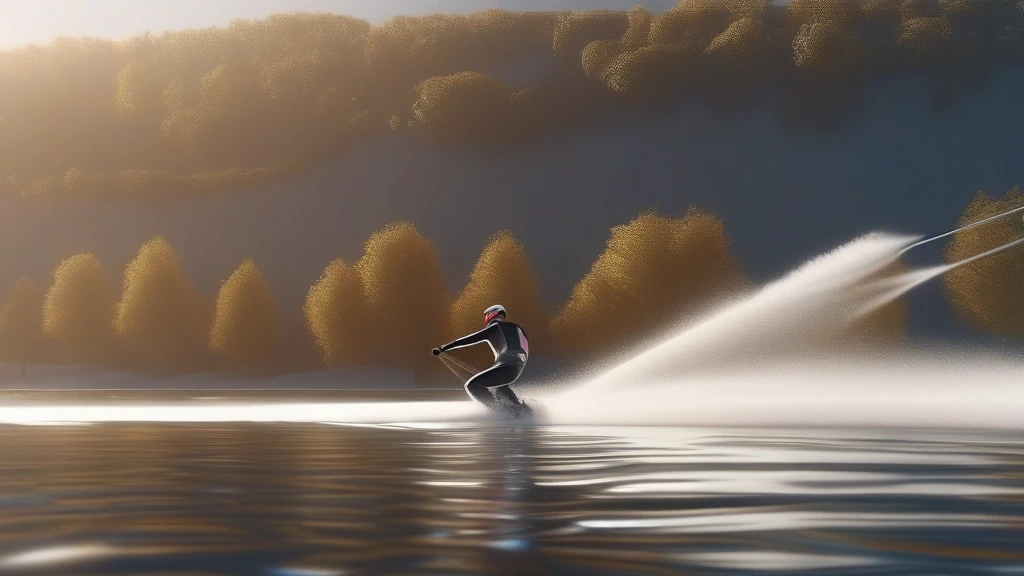
Water skiing is a thrilling water sport that offers excitement, fitness, and a unique way to connect with nature. Whether you’re a beginner looking to enjoy leisurely rides or an elite athlete competing in freestyle or slalom events, choosing the right water skiing equipment for each season can dramatically enhance your experience. This seasonal guide explores the best water ski choices for varying weather conditions and user goals, helping you stay safe, comfortable, and performing at your best year-round.
Understanding Seasonal Influences on Water Skiing
Water skiing conditions fluctuate throughout the year due to temperature changes, water quality, and weather patterns. These factors influence not only your comfort and safety but also the performance and durability requirements of your equipment.
- Spring: Water temperatures are often cool; lakes and rivers may still be recovering from winter, with variable water clarity and occasional wind.
- Summer: Warm water and longer daylight hours make it ideal for extended sessions, but increased sunlight exposure demands UV-resistant gear.
- Fall: Cooling water and unpredictable weather require adaptable gear that balances warmth and flexibility.
- Winter: In milder climates, water skiing continues but demands specialized equipment for colder temperatures and potentially rougher water.
Each season calls for specific features and considerations when selecting skis, bindings, and accessories.
Choosing the Right Water Skis for Each Season
Water skis come in four primary types—beginner recreational, freestyle, speed and slalom, and show skis—each designed for different skill levels and activities. Seasonal conditions influence which type and features are best suited for your water skiing adventures.
Spring: Focus on Stability and Durability
As water temperatures are still low and conditions can be variable, prioritize skis that offer stability and durability to build confidence and handle rougher water.
- Recommended Ski Type: Beginner recreational skis or versatile all-round skis.
- Material Highlights: Skis constructed with fiberglass and polyurethane cores provide a robust yet forgiving flex, ideal for unpredictable spring waters.
- Features: Look for adjustable bindings with quick-release mechanisms to adapt to changing conditions and enhance safety. Anti-slip surfaces on bindings improve grip in damp environments.
- Safety: Ensure your equipment has certifications like ISO or CE to guarantee reliable performance from the start of the season.
Summer: Lightweight and Performance-Oriented Skis
Warm weather and calmer waters allow skiers to push their limits. Lightweight, high-performance skis become the choice for maximizing speed and agility.
- Recommended Ski Type: Freestyle skis for trick enthusiasts, speed and slalom skis for racers, or high-end recreational skis for extended rides.
- Material Highlights: Carbon fiber and Kevlar reinforcements reduce weight while increasing impact resistance and responsiveness, perfect for executing advanced maneuvers.
- Features: Removable fins and customizable bindings let you tailor your setup to specific water conditions or personal preferences. UV-resistant coatings on ski surfaces and bindings help prevent sun damage.
- Portability: Compact, foldable designs paired with carry bags support travel to summer competitions or vacation spots.
Fall: Versatility and Comfort for Variable Conditions
Falling temperatures and changing weather require skis that balance performance with comfort and adaptability.
- Recommended Ski Type: All-terrain skis that blend characteristics of recreational and freestyle models.
- Material Highlights: Fiberglass with aluminum reinforcements strikes a balance between durability and flexibility; polyurethane cores maintain stability in cooler water.
- Features: Ergonomic bindings with enhanced cushioning maintain foot comfort during longer sessions. Adjustable fins help maintain control in choppier water often encountered in fall.
- Maintenance: Fall is an excellent time to perform thorough maintenance—cleaning, checking for damage, and applying protective coatings—to prepare your skis for the off-season.
Winter: Specialized Equipment for Cold-Weather Skiing
Water skiing in winter is possible in mild climates or indoor facilities, but requires equipment engineered for cold and sometimes rougher water conditions.
- Recommended Ski Type: Durable all-weather skis with enhanced insulation properties.
- Material Highlights: Kevlar and carbon fiber composites offer superior strength and resistance to cold-induced brittleness.
- Features: Ski bindings and boots with thermal insulation and ergonomic designs protect against cold while maintaining control. Anti-slip surfaces remain critical as water and gear may be slippery.
- Safety: Quick-release bindings are essential in winter to prevent injury during falls on potentially rough or icy water.
Year-Round Product Selection: Features to Prioritize
To maximize enjoyment and equipment longevity, consider these year-round characteristics when selecting water skis and accessories:
Advanced Materials for Durability and Performance
Modern water skis incorporate cutting-edge materials such as carbon fiber, Kevlar, fiberglass, and polyurethane cores. These materials reduce weight while enhancing impact resistance and weatherproofing—a crucial factor for skis exposed to sun, saltwater, and temperature fluctuations.
- Environmental Responsibility: Many manufacturers now utilize eco-friendly production methods, supporting sustainability without compromising quality.
- Example: A freestyle ski with a carbon fiber and Kevlar laminate offers lightweight agility and rugged durability suitable for any season.
Adjustable and Detachable Components
Customizable features such as removable fins and adjustable bindings and boots allow skiers to adapt their gear to water conditions and personal preferences.
- Benefit: For example, you might reduce fin size for smoother water in summer or increase fin size for stability in choppy fall waters.
- Comfort: Ergonomic bindings with quick-release and anti-slip features improve safety and comfort during extended sessions.
Safety Certifications and Features
Certified equipment (ISO, CE, TÜV, Marine Safety) ensures compliance with rigorous safety standards. Look for skis and bindings featuring:
- Smooth edges to prevent injury
- Quick-release mechanisms for rapid exit
- Anti-slip surfaces for secure footing
Safety is paramount regardless of the season, but especially critical in colder months when water conditions can be hazardous.
Portability and Maintenance
For frequent travelers or competitive athletes, portability is a must. Choose skis with:
- Lightweight, foldable designs
- Durable carry bags with repair kits included
Regular maintenance—cleaning after each use, inspecting for cracks or wear, and storing in a dry, shaded place—prolongs ski lifespan and ensures optimal performance year after year.
Practical Tips for Seasonal Water Skiing Success
- Check Weather and Water Conditions: Before heading out, always verify the current and forecasted conditions, including temperature, wind, and water clarity.
- Layer Appropriately: Use wetsuits or drysuits in colder seasons, and consider UV-protective clothing in summer.
- Adjust Equipment Settings: Modify fin sizes, binding tightness, and boot comfort settings seasonally to match water conditions and personal comfort.
- Prioritize Safety: Always wear a certified life vest, use quick-release bindings, and stay within your skill level limits, especially in adverse weather.
Conclusion
Water skiing is a dynamic sport that thrives throughout the year with the right approach to seasonal challenges. Selecting water skis designed with appropriate materials, adjustable features, and safety certifications tailored to spring, summer, fall, and winter conditions empowers you to ski safely and enjoyably. Whether you’re starting out on stable beginner skis in cool spring waters or executing high-speed slalom runs on carbon fiber skis during summer, understanding seasonal considerations ensures your gear matches your environment and ambitions—making every water skiing session a rewarding adventure.