
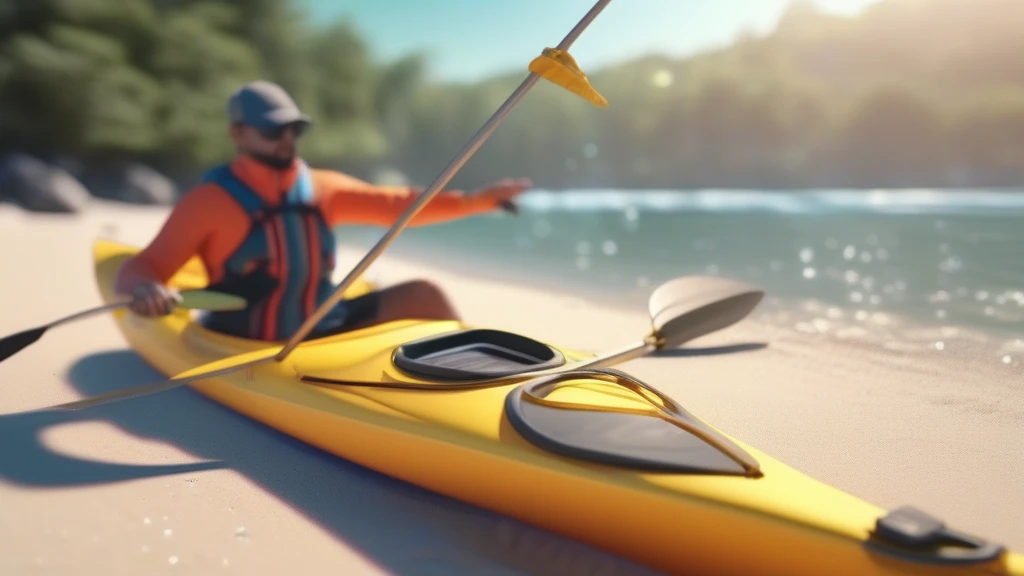
Owning a kayak, canoe, or small watercraft is a rewarding way to connect with nature and enjoy water adventures. However, regular maintenance is essential to keep your vessel in top condition, extend its lifespan, and ensure safety on every outing. Two critical aspects of seasonal maintenance are UV protection and waterproofing. Exposure to sunlight and water can degrade materials over time, leading to fading, cracking, leaks, and hardware corrosion. This comprehensive checklist provides actionable guidance to help paddlers of all levels protect their watercraft from these elements and prepare for the boating season ahead.
Understanding the Impact of UV Exposure and Water on Your Watercraft
Why UV Protection Matters
Ultraviolet (UV) rays from the sun can cause serious damage to the materials commonly used in kayaks and canoes. Prolonged exposure may lead to:
- Fading and discoloration of hull surfaces and accessories
- Material degradation such as brittleness and cracking in plastics, composites, and rubber components
- Weakened fasteners and mounting hardware due to UV-induced polymer breakdown
- Compromised safety features, including handles and straps losing strength
UV protection helps maintain the structural integrity and appearance of your watercraft, reducing the need for costly repairs or replacements.
The Importance of Waterproofing
While watercraft are designed to float and handle water contact, ensuring seals and components remain waterproof is crucial to:
- Prevent water ingress that can cause internal damage or hull delamination
- Avoid rust and corrosion on metal hardware and fasteners
- Maintain secure attachments of gear and accessories
- Enhance overall safety and performance on the water
Waterproofing involves inspecting and maintaining sealants, repair kits, and coatings that keep your vessel watertight and durable.
Seasonal Maintenance Checklist for UV Protection and Waterproofing
1. Inspect and Clean the Hull and Deck
Start by thoroughly cleaning your watercraft with fresh water and mild, biodegradable soap. This removes salt, dirt, and organic debris that can accelerate wear. After rinsing, inspect the hull and deck for:
- Scratches, cracks, or abrasions in the surface
- Areas with faded or chalky appearance indicating UV damage
- Loose or damaged mounting hardware and fittings
Addressing these early signs can prevent further deterioration.
2. Apply UV-Resistant Protectants
Choose a UV protectant formulated for the materials used in your watercraft, such as marine-grade silicones or specialized sprays for plastics and composites. When applying:
- Follow the manufacturer’s instructions for surface preparation and drying times
- Use a soft cloth or applicator to evenly coat all exposed surfaces, including hull, deck, seats, and handles
- Reapply protectants every few months during the boating season for continuous protection
Products with non-toxic and biodegradable formulations are preferred to minimize environmental impact.
3. Check and Maintain Mounting Hardware and Fasteners
Inspect all brackets, clamps, screws, bolts, and clips for signs of corrosion or loosening. Pay special attention to:
- Stainless steel or anodized aluminum parts for pitting or discoloration
- Composite or high-impact nylon components for cracks or UV damage
- Ensure quick-release mechanisms and non-slip pads are functioning properly
Tighten hardware as needed and replace any damaged parts with certified, corrosion-resistant replacements to maintain safety and reliability.
4. Examine and Repair Seals and Hull Integrity
Waterproofing your watercraft involves maintaining the integrity of seals and hull surfaces:
- Inspect sealant beads around hatches, drain plugs, and joints for cracks or peeling
- Use marine-grade sealants or repair kits designed for your craft’s materials to reseal compromised areas
- For minor hull damage, apply patch kits that include waterproof adhesives and flexible materials compatible with your vessel
Regularly maintaining seals prevents leaks, water damage, and potential structural issues.
5. Maintain Handles, Straps, and Gear Mounts
Handles and strap systems are vital for safety and convenience. Check them for:
- UV-induced brittleness or fraying in straps and webbing
- Secure attachment points and mounting brackets free of corrosion
- Functionality of quick-release clips and buckles
Replace worn components with eco-friendly, durable options that provide secure grip and comfort.
6. Store Your Watercraft Properly Between Seasons
Proper storage is a key preventative measure:
- Keep your kayak or canoe out of direct sunlight when not in use, ideally in a shaded or covered area
- Store it upside down or on padded racks to avoid pressure points that can deform the hull
- Use breathable covers that shield against UV rays while allowing moisture to escape
Good storage practices reduce exposure to damaging elements and facilitate easier maintenance.
Additional Tips for Long-Lasting UV and Waterproof Performance
Opt for Certified and Eco-Friendly Accessories
When upgrading or replacing parts, choose components that offer:
- Certifications such as ISO, TÜV, CE, or Marine Safety Ratings ensuring quality and environmental responsibility
- Materials like marine-grade silicones, stainless steel, anodized aluminum, or composite plastics with UV and corrosion resistance
- Non-toxic, biodegradable formulations that protect waterways
These standards help safeguard your craft and the environment.
Regularly Schedule Maintenance Checks
Set a recurring schedule for maintenance—before and after each boating season and mid-season inspections—to catch issues early and maintain peak performance.
Learn Basic DIY Repair Skills
Familiarize yourself with simple repair techniques such as sealant application, patching minor hull damage, and replacing fasteners. This empowers you to address problems promptly and avoid costly service visits.
Conclusion
Protecting your watercraft from UV damage and water ingress is essential for preserving its performance, safety, and aesthetic appeal. By following this seasonal maintenance checklist, paddlers can confidently prepare their kayaks and canoes for many more adventures on the water. Regular inspections, application of UV protectants, diligent waterproofing, and proper storage not only extend the life of your vessel but also contribute to responsible stewardship of the waterways we all cherish.
Remember, investing time in routine care today means more enjoyable and worry-free paddling seasons ahead.