
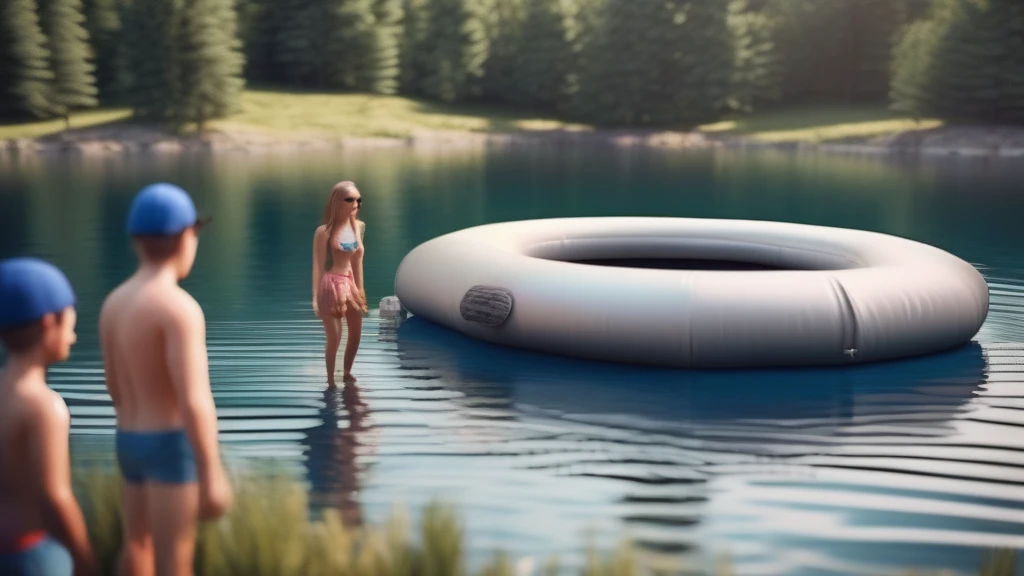
Water trampolines offer a fantastic way to combine the exhilaration of bouncing with the refreshing fun of being on the water. Whether you’re planning a lakeside adventure, a pool party, or beach outing, knowing how to properly set up and transport your water trampoline can make a big difference in your experience. This guide walks you through each step of the installation process and shares tips for easy transport, ensuring your aquatic fun gets off to a smooth start.
Understanding Your Water Trampoline Components
Before diving into setup, it’s important to familiarize yourself with the key parts of a typical water trampoline:
- Inflatable Base: The main buoyant ring that keeps the trampoline afloat.
- Jumping Mat: The sturdy, tensioned surface where users bounce.
- Inflation Valves: Usually multiple, these secure air inside different chambers.
- Anchor Points: Attachment spots for securing the trampoline in place on the water.
- Repair Kit: Often included for quick fixes of small punctures or leaks.
Knowing these components helps you handle each step with confidence and care.
Step 1: Choose the Right Location
Selecting an appropriate spot on the water is the first and crucial step. Keep these factors in mind:
- Depth: Ensure the water is deep enough for safe jumping, typically at least 6-8 feet.
- Calm Waters: Lakes or calm bays are ideal; avoid areas with strong currents or waves.
- Visibility: Position the trampoline where it’s easily visible to all users and observers — the bright colors of the trampoline will help, but clear sightlines add safety.
- Obstructions: Check for underwater hazards such as rocks, logs, or sharp debris.
Taking time to find a safe and suitable location enhances both fun and safety.
Step 2: Unpack and Inspect Your Trampoline
Once at the site or poolside, unpack your water trampoline carefully:
- Lay It Flat: Spread the trampoline out on a clean, flat surface to prevent damage.
- Check for Damage: Inspect the inflatable base, seams, and jumping mat for holes or weak spots.
- Verify Accessories: Confirm that you have all required items, including the pump and anchor equipment.
This inspection ensures a smooth setup and helps avoid surprises on the water.
Step 3: Inflate the Trampoline
Proper inflation is key to stability and performance:
- Use the Right Pump: Most water trampolines come with a manual or electric pump designed for their valve type.
- Inflate Chambers Separately: Inflate each air chamber fully and securely close the valves to prevent leaks.
- Avoid Over-Inflation: The trampoline should be firm but not excessively tight to reduce stress on seams.
- Check for Leaks: Listen for hissing sounds and feel for air escaping after inflation.
A well-inflated trampoline provides a safe, stable bouncing surface.
Step 4: Secure the Trampoline on Water
Anchoring your water trampoline correctly prevents drifting and maintains user safety:
- Use Provided Anchors: Most models include anchors or recommend compatible types.
- Attach Anchor Lines: Connect ropes or straps firmly to the anchor points on the trampoline.
- Set Anchor Weight: Ensure the anchor weight is suitable for water depth and current strength.
- Test Stability: Once anchored, gently push the trampoline to confirm it holds position without excessive movement.
Proper anchoring protects the trampoline from drifting into unsafe areas or obstacles.
Step 5: Safety Checks Before Use
Before jumping in, conduct a final safety review:
- Confirm Inflation and Stability: Recheck air pressure and anchoring.
- Inspect Surroundings: Verify that the area around and under the trampoline is clear.
- Limit User Numbers: Follow manufacturer guidelines on maximum capacity (typically 2 to 4 users).
- Set Ground Rules: Ensure all users understand safe jumping practices and avoid rough play.
Taking these precautions helps prevent accidents and promotes enjoyable play.
Tips for Easy Transport and Storage
Transporting and storing your water trampoline properly extends its lifespan and simplifies future use:
- Deflate Gradually: Release air slowly to avoid damaging valves or seams.
- Dry Thoroughly: Let the trampoline dry completely to prevent mold and mildew.
- Fold Neatly: Fold or roll the trampoline according to manufacturer instructions to avoid creases.
- Use Carry Bags: Store in a durable bag or container for protection and easy transport.
- Store in Shade: Keep the trampoline away from direct sunlight and extreme temperatures when not in use.
Following these steps makes setup quicker next time and maintains the trampoline’s durability.
Additional Considerations for First-Time Users
- Practice Setup at Home: If possible, do a trial inflation and setup at home or in a controlled environment.
- Recruit Help: Water trampolines can be large and bulky; having a friend or family member assist saves time and effort.
- Check Local Regulations: Some lakes or beaches may have rules about water toys; verify before setting up.
- Maintain Clear Communication: Use whistles or hand signals to coordinate safety among users on and off the trampoline.
These tips ease the learning curve and maximize safety for all participants.
Conclusion
Setting up a water trampoline doesn’t have to be complicated or stressful. By carefully choosing your location, inspecting and inflating your equipment properly, securing it safely on the water, and following simple transport and storage guidelines, you can enjoy countless hours of aquatic fun with family and friends. Taking the time to do it right not only enhances your experience but also ensures your water trampoline remains a reliable centerpiece of summer entertainment for seasons to come.