
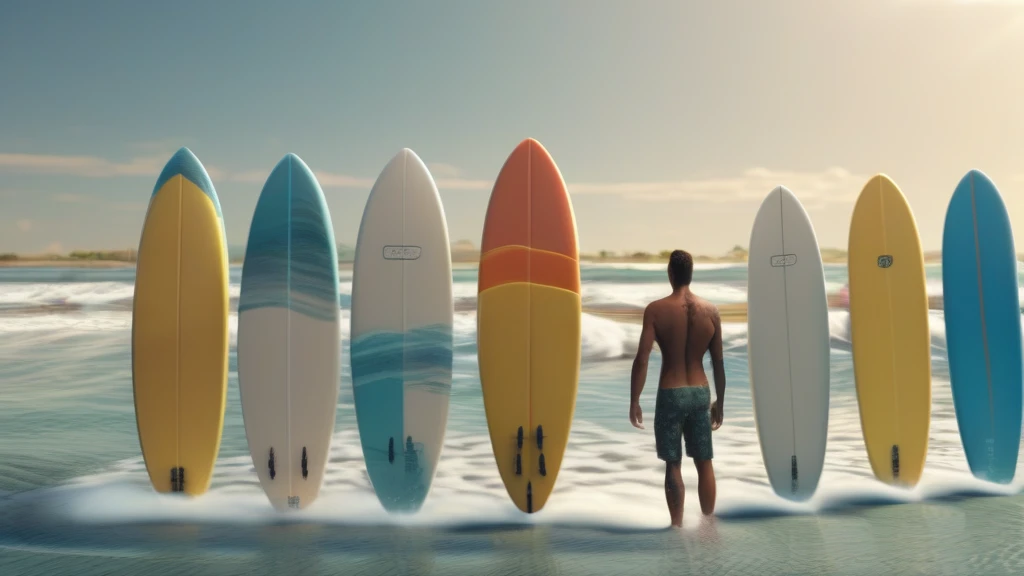
Shortboard surfing demands a blend of agility, speed, and precision, making the choice of the right board crucial for maximizing performance in varying wave conditions. Whether you're an intermediate surfer honing freestyle skills or an advanced rider chasing competitive excellence, understanding how shortboard designs interact with wave types can elevate your surfing experience. This guide explores how to select a shortboard surfboard tailored to specific wave environments, focusing on key characteristics like rocker profiles, tail shapes, fin configurations, and construction materials.
Understanding Shortboard Surfboards: Core Features and Design Elements
Before diving into wave-specific recommendations, it’s important to recognize the defining features of shortboard surfboards and how they influence performance:
- Length and Volume: Typically ranging from 5’6” to 6’4”, shortboards have lower volume than longboards, prioritizing maneuverability over stability.
- Rocker Profiles: The curvature from nose to tail affects how the board handles speed and steepness. Common profiles include flat, moderate, continuous, and hybrid rocker.
- Tail Shapes: The tail design impacts turning radius and control. Popular shapes are squash, swallow, bat, round, and pin.
- Fin Configurations: Thruster (three fins), quad (four fins), twin, and single fin setups offer varying degrees of speed, control, and looseness.
- Construction Materials: Lightweight and durable options like epoxy, fiberglass, carbon fiber, and polyurethane foam are used, often with eco-friendly materials and coatings.
- Safety and Durability: Features such as anti-slip decks, reinforced fins, scratch-resistant surfaces, and compliance with safety certifications (ISO, CE, TÜV) enhance reliability.
With these fundamentals in mind, let’s explore how to match these features to different wave types.
Small to Medium Beach Breaks: Versatility and Speed
Wave Characteristics
Small to medium beach breaks typically offer waves from two to five feet with moderate power and often less steep faces. These conditions require boards that can generate speed quickly and maintain control through slower sections.
Recommended Shortboard Features
- Rocker Profile: A flatter to moderate rocker works best here, allowing for increased glide and easier paddling to catch smaller waves.
- Tail Shape: Squash tails provide a good balance of maneuverability and stability, making quick turns accessible without sacrificing control.
- Fin Configuration: A thruster setup is ideal for maintaining control and drive through turns, while a quad fin arrangement can add extra speed on softer waves.
- Construction: Lightweight epoxy or fiberglass boards with polyurethane cores offer a good balance of durability and responsiveness.
Practical Example
A shortboard with a moderate rocker and squash tail in a thruster fin setup excels in small beach breaks, providing the speed needed to catch waves early and the control to execute quick maneuvers in less powerful surf.
Steep, Hollow Reef Breaks: Precision and Control
Wave Characteristics
Steep and hollow reef breaks produce fast, powerful waves with critical sections demanding sharp, precise turns and rapid adjustments.
Recommended Shortboard Features
- Rocker Profile: Continuous or hybrid rocker profiles, with increased curve, enhance the board’s ability to fit into the wave’s steep face and accommodate sharp drops.
- Tail Shape: Pin tails or bat tails help maintain control at high speeds and in tight barrel sections by offering increased hold and reduced drag.
- Fin Configuration: Thruster fin systems offer the best balance of grip and responsiveness needed for aggressive carving and tube riding.
- Construction: Carbon fiber reinforced boards provide stiffness and responsiveness crucial for high-performance surfing in challenging reef breaks.
Practical Example
A shortboard designed with a continuous rocker and pin tail paired with a stiff carbon fiber construction is ideal for tackling steep, barreling waves, offering the precision and hold required for advanced maneuvers.
Fast, Hollow Beach Breaks: Speed and Agility
Wave Characteristics
Fast, hollow beach breaks combine power with unpredictability, often requiring quick reflexes and explosive turns.
Recommended Shortboard Features
- Rocker Profile: A hybrid rocker balances speed generation on flatter sections with maneuverability in steep parts of the wave.
- Tail Shape: Swallow tails increase lift and provide quick responsiveness, helping surfers stay agile in fast sections.
- Fin Configuration: Quad fin setups deliver extra speed and drive, ideal for quick acceleration and sharp directional changes.
- Construction: Fiberglass boards with reinforced areas offer durability while maintaining a lightweight feel for quick responses.
Practical Example
A shortboard sporting a hybrid rocker profile, swallow tail, and quad fin configuration excels in fast beach breaks by combining speed and sharp turning capability with durability.
Fat, Slow Waves: Boosting Performance and Maneuverability
Wave Characteristics
Fat, slow waves often lack the critical steepness that shortboards thrive on, requiring boards that can generate and maintain speed on weaker surf.
Recommended Shortboard Features
- Rocker Profile: A flatter rocker increases planing surface and speed, helping the board glide over slow sections.
- Tail Shape: Squash or round tails provide stability and smooth turning, which is advantageous when waves lack power.
- Fin Configuration: Twin fin or twin+stabilizer setups reduce drag and add looseness, helping surfers generate speed and perform smooth turns.
- Construction: Epoxy boards with polyurethane cores provide buoyancy and light weight, assisting in paddling and wave catching.
Practical Example
A shortboard with a flat rocker, squash tail, and twin fin setup enables surfers to maximize speed on less powerful waves, improving overall ride quality and maneuverability.
Additional Considerations for Wave-Specific Shortboard Selection
Material Sustainability and Durability
Given increasing environmental awareness, many shortboards now incorporate eco-friendly materials such as bio-resins and recyclable foam cores. These boards offer comparable performance while reducing ecological impact—a growing priority for many surfers.
Safety Features
Look for boards with anti-slip decks and reinforced fin boxes, especially when surfing challenging reef breaks or fast waves. Compliance with safety standards (ISO, CE, TÜV) ensures durability and reduces the risk of equipment failure.
Portability and Travel
For surfers who travel frequently, shortboards with detachable or foldable fins and lightweight construction materials offer convenience without sacrificing performance. Carry bags and repair kits often accompany these boards to support on-the-go maintenance.
Conclusion: Tailoring Your Shortboard to the Waves
Choosing the right shortboard surfboard for your wave conditions involves balancing rocker profiles, tail shapes, fin configurations, and construction materials to match the specific demands of the surf environment. Whether it's the versatility needed for small beach breaks, the precision required for hollow reef waves, or the speed needed on fat, slow surf, understanding these design elements empowers you to select a board that enhances your surfing style while aligning with your performance goals and environmental values.
By paying close attention to these factors and prioritizing safety, durability, and sustainability, surfers of all skill levels can confidently navigate varying wave types and elevate their shortboarding experience.