
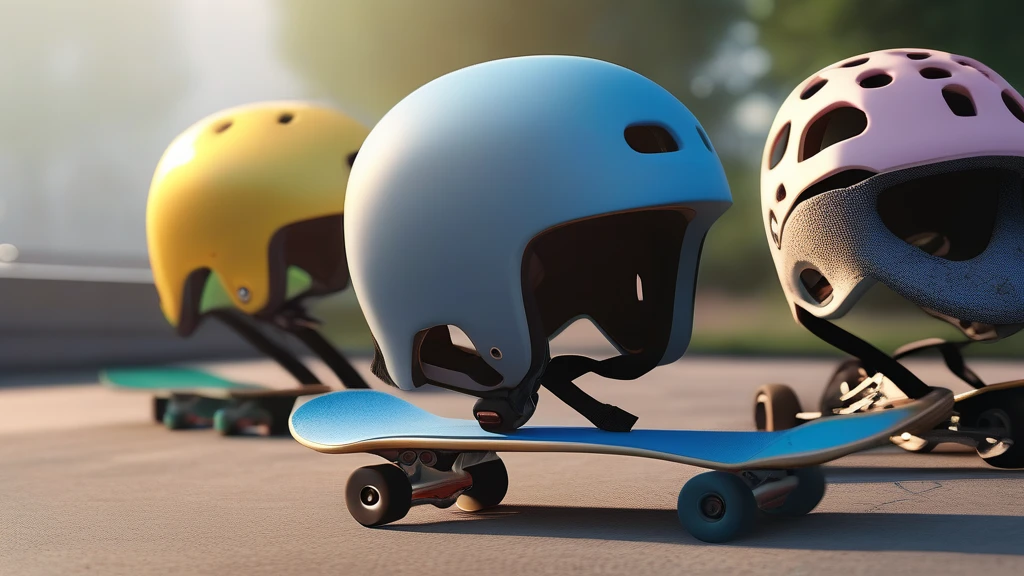
Skate helmets are an essential piece of protective gear for anyone engaging in activities like skateboarding, BMX riding, scootering, rollerblading, and even kayaking. With a wide range of options available, choosing the right helmet can feel overwhelming. This article breaks down the different types, materials, designs, and features of skate helmets to help you make an informed decision that balances safety, comfort, and style.
Understanding Skate Helmet Types
Skate helmets generally fall into two main construction types: hard shell and in-mold. Each offers distinct benefits depending on your usage and preferences.
Hard Shell Helmets
Hard shell helmets feature a tough outer layer typically made from polycarbonate or ABS plastic, fused to a thick EPS foam liner inside. This design emphasizes durability and impact resistance, making hard shell helmets popular for skateboarding and BMX riding, where multiple impacts or scrapes are common.
- Durability: The thick outer shell withstands abrasions and repeated impacts better than thinner designs.
- Weight: Usually heavier (around 300g or more) than in-mold helmets, but still lightweight enough for active use.
- Ventilation: Often equipped with 10 to 15 vents strategically placed to optimize airflow while maintaining structural integrity.
- Versatility: Meets multiple safety certifications like ASTM F1492 (skateboarding) and CPSC (cycling), making them suitable for multi-sport use.
In-Mold Helmets
In-mold helmets integrate the polycarbonate outer shell by fusing it directly with the EPS foam liner in a single molding process. This results in a lighter and more streamlined helmet, favored by cyclists and casual riders.
- Lightweight: Typically weighs between 200-250g, enhancing comfort during prolonged wear.
- Improved Ventilation: Larger or more numerous vents improve airflow, which is beneficial in hot weather or intense activity.
- Comfort: Slimmer profile and adjustable fit systems contribute to a snug, ergonomic fit.
- Safety Certifications: Often certified to CPSC and CE EN 1078 standards, suitable for cycling, scootering, and rollerblading.
Materials Matter: Shells, Liners, and Reinforcements
The choice of materials in skate helmets directly influences protection, comfort, and longevity.
Outer Shell Materials
- Polycarbonate: A common, durable plastic known for impact resistance and lightweight properties.
- ABS Plastic: Offers excellent toughness and abrasion resistance, favored in hard shell helmets for added durability.
- Carbon Fiber Reinforcements: Found in premium models, carbon fiber adds rigidity without weight, enhancing protection and durability.
Inner Liners
- EPS Foam (Expanded Polystyrene): The standard impact-absorbing liner that crushes upon impact to reduce force transmitted to the head.
- Multi-Density Foam: Some helmets use layers of varying density foam to better manage impacts of different severities.
- MIPS Technology: The Multi-directional Impact Protection System adds a low-friction layer inside the helmet, reducing rotational forces during angled impacts — a critical advancement in helmet safety.
Safety Certifications: What They Mean for You
Understanding helmet certifications ensures you pick gear tested for your activity’s specific risks.
- CPSC (Consumer Product Safety Commission): Mandatory for bicycle helmets in the US; also relevant for multi-sport helmets.
- ASTM F1492: Specific to skateboarding helmets, focusing on repeated impacts and surface abrasions.
- CE EN 1078: European standard for cycling, skateboarding, and rollerblading helmets.
- ISO and TÜV: International certifications that may indicate higher manufacturing quality and safety reliability.
A helmet certified for multiple standards offers versatility across sports like BMX, scootering, and kayaking.
Fit and Comfort: Customizing Your Protection
No helmet can protect effectively unless it fits well. Consider these features when selecting a skate helmet:
- Adjustable Chin Straps and Buckles: Quick-release buckles allow easy removal and secure fastening.
- Rotational Dial Systems: Provide micro-adjustments for a snug fit around the head.
- Multi-Size Fit Pads: Removable and replaceable pads accommodate different head shapes and growth, especially in youth helmets.
- Ventilation Systems: Between 10 and 15 vents, sometimes adjustable, maintain airflow to reduce heat buildup.
- Sweat-Wicking Liners: Help keep your head dry and comfortable during prolonged activity.
- Lightweight Design: Helmets weighing between 200-300 grams reduce fatigue and encourage consistent use.
Style and Practicality: Beyond Basic Protection
Many manufacturers now offer skate helmets that combine safety with style and convenience:
- Color and Graphics: Bright colors and reflective details enhance visibility — a safety benefit — while allowing riders to express personality.
- Foldable Designs and Carry Bags: For portability, some helmets fold flat or include bags, making them perfect for travel or storage.
- Sustainability Features: Eco-friendly helmets made with biodegradable coatings, recyclable components, and low-carbon manufacturing are gaining traction for environmentally conscious riders.
Comparing Multi-Sport vs. Sport-Specific Helmets
- Multi-Sport Helmets: Designed and certified for various activities — skateboarding, cycling, scootering, rollerblading, and kayaking. These offer versatility for users who partake in multiple sports but may slightly compromise on specialized features.
- Sport-Specific Helmets: Tailored to the demands of one sport, such as skateboarding helmets focusing on repeated impact resistance (ASTM F1492 certified) or cycling helmets prioritizing aerodynamic design and ventilation.
Choosing between them depends on your primary activity and whether you need a helmet that meets multiple standards.
Maintenance and Lifespan: Keeping Your Helmet Safe
Proper care extends your helmet’s protective capabilities:
- Regular Inspections: Check for cracks, dents, or compromised straps after impacts.
- Cleaning: Use mild soap and water; avoid harsh chemicals that degrade materials.
- Storage: Keep helmets away from direct sunlight and extreme temperatures that can weaken plastics and foam.
- Replacement: Experts recommend replacing helmets every 3 to 5 years or immediately after significant impacts, as EPS foam does not rebound once compressed.
Final Thoughts: How to Choose the Right Skate Helmet
When selecting a skate helmet, balance the following factors:
- Activity Type: Ensure the helmet carries relevant safety certifications for your sport.
- Fit and Comfort: Prioritize adjustable systems and ventilation to encourage regular use.
- Materials and Technology: Look for helmets with MIPS or multi-density foam for enhanced protection.
- Weight and Style: Lightweight designs with appealing colors and reflective details add both comfort and safety.
- Sustainability: Consider eco-friendly options if environmental impact is important to you.
- Budget and Warranty: While cost varies, invest in reputable helmets with clear warranty and replacement policies.
By understanding the differences in helmet types, materials, and features, you can confidently select a skate helmet that offers the best protection and comfort tailored to your needs and lifestyle. Remember, the right helmet isn’t just gear — it’s peace of mind every time you hit the pavement or trail.