
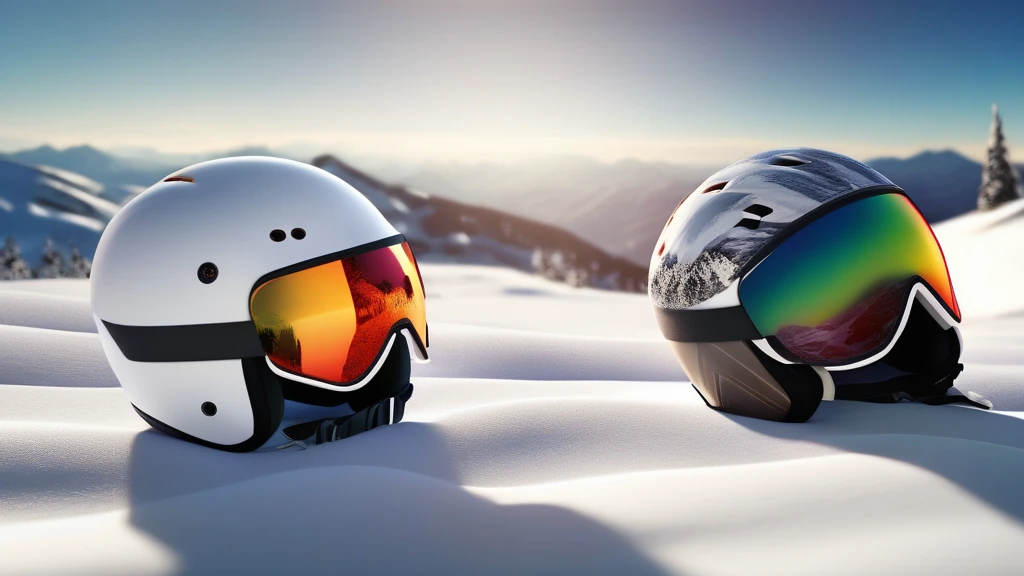
Winter sports demand not only skill and passion but also top-tier safety gear to protect against the unpredictable elements and risks on the slopes. Among essential equipment, ski and snowboard helmets play a critical role in safeguarding your head while ensuring comfort and performance. However, the diversity of helmet types, materials, and features can make choosing the right one overwhelming. This comprehensive comparison breaks down the key helmet categories, materials, designs, and technologies tailored to various winter sports activities and user needs, helping you make an informed decision.
Understanding Helmet Types for Winter Sports
Full-Shell Hard Shell Helmets
Full-shell helmets are characterized by a rigid outer shell—typically polycarbonate or ABS plastic—encompassing the entire head. The hard shell offers excellent impact resistance, making these helmets a popular choice for alpine skiing, snowboarding, and snowmobiling.
- Protection: Hard shells provide robust defense against hard impacts and penetration.
- Durability: The tough outer layer withstands scratches and abrasions.
- Weight: Generally heavier than other types but still designed for portability.
- Ventilation: Often features multiple vents with removable covers to customize airflow.
- Use Case: Ideal for riders prioritizing maximum impact protection in high-speed or aggressive terrain.
In-Mold Helmets
In-mold helmets fuse the outer shell material with the EPS (expanded polystyrene) foam liner during manufacturing, creating a lighter and more streamlined design. These helmets are common among freestyle snowboarders and recreational skiers who value agility and comfort.
- Protection: Offers effective impact absorption with multi-impact EPS liners.
- Weight: Typically lighter than hard-shell helmets, enhancing mobility.
- Ventilation: Integrated vents promote airflow while maintaining structural integrity.
- Fit and Comfort: Often includes adjustable dial-fit systems and removable ear pads.
- Use Case: Suitable for those seeking a balance between protection, weight, and style.
Hybrid Composite Helmets
Combining materials like carbon fiber, polycarbonate, and fiberglass, hybrid helmets provide an optimal mix of lightweight properties and superior strength.
- Protection: Carbon fiber layers add exceptional rigidity and impact resistance.
- Weight: Among the lightest helmets available, reducing neck fatigue.
- Sustainability: Some brands incorporate eco-friendly composites and recyclable components.
- Cost: Often positioned as premium options due to advanced materials.
- Use Case: Perfect for backcountry adventurers and ice climbers who require durable yet lightweight protection.
Key Features to Compare Across Helmets
Safety Certifications and Impact Technologies
All helmets designed for winter sports should meet recognized safety standards such as CE EN 1077, ASTM F2040, or ISO certifications. These certifications ensure the helmet has passed rigorous impact tests specific to skiing and snowboarding.
- MIPS Technology: Many helmets now include the Multi-directional Impact Protection System (MIPS), which adds a low-friction layer inside the helmet to reduce rotational forces during angled impacts. This innovation significantly enhances brain protection beyond traditional EPS foam liners.
- Multi-Impact EPS Foam: Unlike single-impact liners, multi-impact EPS foam can absorb multiple impacts without compromising safety, ideal for riders who spend many days on the mountain.
Ventilation Systems
Ventilation is critical in regulating temperature and preventing fogging of goggles. Helmets vary widely in their ventilation designs:
- Adjustable Vents: Helmets with multiple adjustable vents allow wearers to customize airflow based on weather conditions or activity intensity.
- Removable Vent Covers: Some models include vent covers for cold, windy days to retain warmth.
- Anti-Fog Airflow: Strategic vent placement promotes airflow over goggles to reduce fogging during vigorous activity.
Fit Systems and Comfort Features
Comfort is paramount for prolonged use on the slopes. Helmets include various fit adjustment mechanisms:
- Dial Fit Systems: Provide micro-adjustable sizing for a secure, pressure-free fit.
- Multi-Size Pads: Removable and interchangeable pads allow customization to different head shapes.
- Ear Pads: Pressure-free, detachable ear pads enhance warmth and can be removed for better ventilation.
- Liners: Fleece or sweat-wicking liners improve moisture management and comfort during extended wear.
Goggle Integration and Accessories
Compatibility with goggles and accessories is a practical consideration:
- Goggle Clip or Magnetic Holders: Secure your goggles in place, preventing slippage during rides.
- Over-the-Helmet Design: Some helmets are shaped to accommodate goggles comfortably without gaps.
- Communication Device Compatibility: Certain helmets include mounts or pockets for Bluetooth communication systems, enhancing connectivity on the mountain.
Comparing Helmets by Winter Sport Use
Alpine Skiing Helmets
For alpine skiers, helmets prioritize impact resistance, ventilation, and aerodynamic design. Hard-shell and hybrid helmets with MIPS technology are popular due to the high speeds and risk of collisions.
- Strong ventilation systems prevent overheating during intense downhill runs.
- Lightweight designs reduce neck strain during extended skiing.
- Secure goggle integration is essential for clear vision at high speeds.
Snowboarding Helmets
Snowboarders often prefer in-mold helmets for their lighter weight and style options. Helmets with multi-impact EPS liners and adjustable vents accommodate the dynamic movements and tricks typical of snowboarding.
- Ear pads are usually detachable to accommodate audio devices or increase ventilation.
- Style and color options are often more diverse, catering to freestyle riders.
- Compatibility with communication devices facilitates group rides and safety.
Ice Climbing and Backcountry Helmets
These users demand helmets that balance lightweight design with exceptional strength and durability.
- Hybrid composite helmets with carbon fiber layers offer superior protection against falling debris and impacts.
- Enhanced ventilation is less critical but still present for comfort during strenuous climbs.
- Adjustable fit systems ensure stability during vertical movement.
Snowmobiling Helmets
Snowmobilers face unique challenges such as higher speeds, wind chill, and long periods of cold exposure.
- Hard-shell helmets with removable vent covers help retain warmth.
- Quick-release chin straps facilitate easy removal with gloves.
- Enhanced ear padding and windproof liners protect against cold.
Material Innovations and Sustainability Trends
Recent advancements in helmet materials have introduced eco-friendly options without compromising safety:
- Recyclable Components: Helmets using recyclable polycarbonate shells and eco-conscious foams reduce environmental impact.
- Low Carbon Manufacturing: Some manufacturers adopt processes that minimize carbon emissions during production.
- Natural Fiber Composites: Experimental use of flax or hemp fibers blended with resins offers sustainable alternatives to synthetic composites.
Choosing a helmet made with environmental responsibility in mind aligns with the values of many winter sport enthusiasts who cherish nature.
Maintenance Tips to Extend Helmet Life and Performance
Proper care ensures your helmet maintains safety standards over time:
- Regular Cleaning: Use mild soap and water to clean the shell and liners; avoid harsh chemicals.
- Storage: Keep helmets in a cool, dry place away from direct sunlight or heat sources.
- Inspection: Routinely check for cracks, dents, or compromised foam.
- Replace After Impact: Even if damage is not visible, replace helmets after significant impacts as safety may be compromised.
- Liner Care: Wash removable liners according to manufacturer instructions to maintain hygiene and comfort.
Conclusion
Selecting the right ski or snowboard helmet involves balancing protection, comfort, style, and environmental considerations tailored to your specific winter sport and skill level. Hard-shell helmets excel in durability and impact resistance for high-speed skiing and snowmobiling, while in-mold helmets offer lightweight comfort for freestyle snowboarding and recreational skiing. Hybrid composite helmets serve specialized users needing lightweight strength, such as ice climbers and backcountry adventurers.
Look for helmets certified to recognized safety standards and enhanced with technologies like MIPS and multi-impact EPS liners. Prioritize adjustable ventilation, customizable fit systems, and seamless goggle integration to maximize comfort and performance on the slopes. Lastly, consider eco-friendly materials and manufacturing practices to support sustainability in your winter sports gear.
By understanding these distinctions and features, you can confidently choose a helmet that not only protects but also complements your winter adventures for seasons to come.