
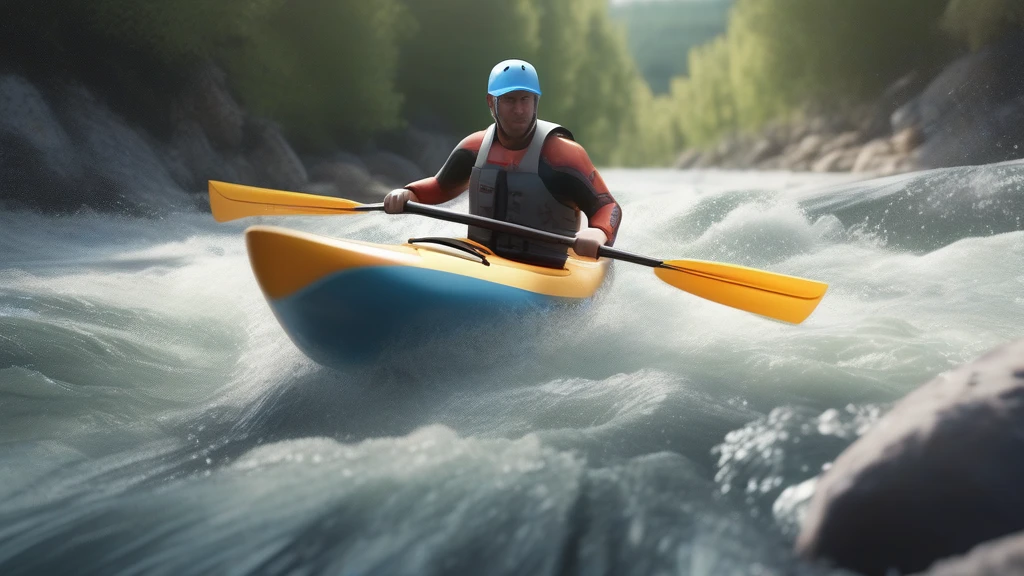
Slalom kayaking is a thrilling and demanding water sport that requires precision, skill, and speed. Whether you’re a competitive racer, an advanced paddler, or a fitness enthusiast navigating dynamic river courses, safety is paramount. Slalom kayaks are high-performance vessels crafted for agility and control, but their lightweight, streamlined design also demands careful attention to safety gear, paddling techniques, and emergency preparedness.
This comprehensive safety guide covers everything you need to know to stay protected on the water while maximizing your performance and enjoyment in slalom kayaking.
Understanding Slalom Kayak Design and Its Safety Implications
Before diving into safety essentials, it’s important to understand the unique characteristics of slalom kayaks and how they influence paddler safety.
Lightweight Construction and Materials
Slalom kayaks typically weigh under 35 pounds and are constructed from advanced materials such as carbon fiber, Kevlar, fiberglass, or high-density polyethylene. These materials provide a superior strength-to-weight ratio, ensuring durability without compromising agility. Carbon fiber and Kevlar offer excellent impact resistance and stiffness, essential for absorbing shocks from rocks and rapids while maintaining responsive handling.
Safety Tip: While lightweight kayaks improve maneuverability, they can be less forgiving in turbulent water than heavier models. Paddlers should develop strong balance and bracing techniques to prevent capsizing.
Streamlined Hull Designs
The aerodynamic hulls of slalom kayaks are optimized for low drag and high speed. Their narrow beam and flat bottoms enable quick turns and fast acceleration but may present a higher tipping risk if paddlers are inexperienced or caught off guard by sudden water conditions.
Safety Tip: Look for kayaks with enhanced stability features such as wider tail sections or built-in channels that improve tracking and reduce the chance of rollover during rapid maneuvers.
Ergonomic Features for Control and Comfort
Adjustable footrests, anti-slip seats, and ergonomic seating systems are standard on many slalom kayaks. These features secure the paddler firmly within the cockpit, providing better control over the boat’s movements and reducing fatigue on long runs.
Safety Tip: Properly adjusting these components ensures maximum control, reducing the likelihood of accidents caused by poor posture or slippage inside the kayak.
Essential Safety Gear for Slalom Kayaking
Slalom kayaking demands specialized safety equipment designed to protect you in fast-moving water and challenging environments.
Personal Flotation Devices (PFDs)
A high-quality, Coast Guard-approved PFD is non-negotiable. Opt for a PFD designed specifically for whitewater or slalom use — these are streamlined to reduce drag but offer ample buoyancy and freedom of movement.
Features to Look For:
- Adjustable fit for comfort and security
- Quick-release buckles for emergency removal
- Bright colors or reflective accents for visibility
Helmets Designed for Water Sports
Because slalom kayaking often involves navigating rocky rapids and low-hanging obstacles, helmets are essential. Choose lightweight helmets with ventilation, impact-resistant shells, and secure strapping systems.
Additional Features:
- Drainage holes to prevent water accumulation
- Compatibility with ear protection or communication devices
Spray Skirts and Cockpit Covers
Spray skirts form a watertight seal around the cockpit, preventing water ingress during aggressive maneuvers or capsizes. Select spray skirts made from durable, flexible neoprene or nylon with reinforced seams.
Safety Benefits:
- Keeps the interior dry, maintaining buoyancy and comfort
- Prevents water from weighing down the kayak and affecting stability
Emergency Quick-Release Systems
Many slalom kayaks incorporate quick-release mechanisms for spray skirts and other gear, allowing rapid exit in emergencies. Familiarize yourself with these systems and practice using them regularly.
Weather and Environmental Considerations
Weather conditions play a major role in slalom kayaking safety. High winds, sudden storms, or fluctuating water levels can increase risks exponentially.
Checking Weather Forecasts and Water Conditions
Before heading out, always review local weather reports and river gauge readings. Slalom kayaks, with their lightweight builds, can be more sensitive to wind gusts and choppy water.
Pro Tips:
- Avoid kayaking in thunderstorms or high-wind conditions
- Be cautious on rivers with rapidly changing flow rates or debris
Understanding River Dynamics
Knowledge of the river’s flow, obstacles, and eddies is critical. Slalom courses often feature gates and tight turns that require precise timing and control.
Safety Strategy:
- Scout the course ahead of time to identify hazards
- Use river maps or apps that provide rapid updates on water conditions
Paddling Techniques to Enhance Safety
Skillful paddling techniques reduce the risk of accidents and improve your ability to respond to emergencies.
Mastering Bracing and Rolling
Learning effective bracing strokes helps prevent capsizing by stabilizing the kayak during turbulent water. Additionally, practicing Eskimo rolls allows paddlers to right themselves quickly without exiting the kayak.
Training Advice:
- Incorporate regular rolling drills into your practice sessions
- Use instructional videos or coaching to refine your technique
Efficient Maneuvering and Gate Negotiation
Slalom kayaking requires quick, precise turns and acceleration. Practice edge control and bow steering to navigate gates smoothly without losing balance.
Safety Benefit: Controlled maneuvering reduces the risk of collisions with rocks or other paddlers.
Fitness and Endurance Training
High-speed slalom kayaking demands cardiovascular fitness and muscular endurance. A strong paddler maintains focus and control even under fatigue, minimizing mistakes.
Recommended Exercises:
- Interval paddling sessions to build anaerobic capacity
- Core strengthening workouts to enhance stability
Emergency Preparedness and Maintenance
Being prepared for emergencies and maintaining your kayak and gear are key to long-term safety.
Carrying a Repair Kit and Communication Devices
Rapid repairs to spray skirts, hull damage, or paddles can be lifesaving. Assemble a compact repair kit including waterproof tape, multi-tools, and patch materials.
Communication Tools:
- Waterproof VHF radios or whistle signals
- Personal Locator Beacons (PLBs) for remote areas
Practicing Rescue Techniques
Learn self-rescue and assisted rescue methods, including wet exits, buddy rescues, and towing.
Group Safety: Always paddle with a partner or group when possible, especially in challenging conditions.
Routine Equipment Inspection
Regularly inspect your kayak’s hull for cracks or wear, check spray skirt seals, and verify the integrity of footrest adjustments and seat fittings.
Maintenance Tips:
- Rinse saltwater kayaks with fresh water to prevent corrosion
- Store kayaks away from direct sunlight to avoid UV damage
Environmental Responsibility and Sustainable Choices
Many slalom kayaks are now produced with eco-friendly materials and manufacturing processes, such as recyclable composites and low-emission fabrication techniques.
Why It Matters:
- Reduces environmental footprint on rivers and lakes
- Supports sustainable outdoor recreation for future generations
When selecting gear, consider products with certifications like ISO or TÜV that indicate compliance with environmental and safety standards.
Conclusion
Slalom kayaking offers exhilarating experiences on fast-moving rivers, but it also requires a serious commitment to safety. Understanding the characteristics of slalom kayaks, equipping yourself with the right protective gear, mastering essential techniques, and preparing for emergencies will empower you to paddle confidently and responsibly.
By paying close attention to material choices, ergonomic features, and environmental factors, paddlers at all levels can enjoy this dynamic sport with peace of mind. Whether racing competitively or training for fitness, embracing these safety essentials is the foundation for a rewarding and safe slalom kayaking journey.