
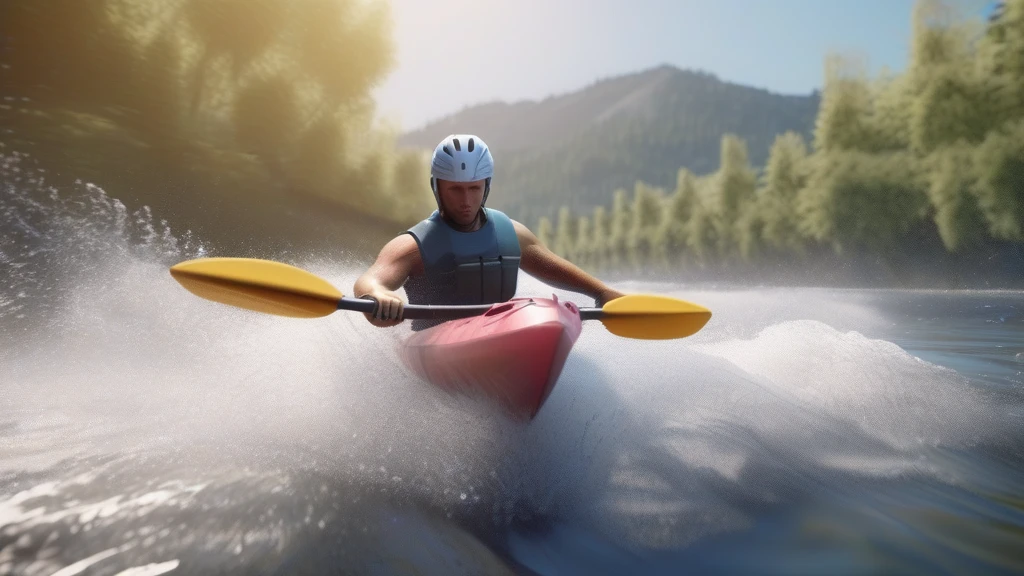
Slalom kayaking is a thrilling blend of speed, precision, and endurance, demanding equipment that can keep pace with the athlete’s skill and ambition. Choosing the right slalom kayak is pivotal—not only for competitive success but also for maximizing enjoyment and safety on the water. This comprehensive guide compares the different types and styles of slalom kayaks, focusing on materials, design features, and user needs to empower you with the knowledge to make an informed choice.
Understanding Slalom Kayaks: What Sets Them Apart?
Slalom kayaks are specialized watercraft designed for racing on fast-moving rivers and downriver courses. Unlike recreational kayaks, they prioritize:
- Lightweight construction (often under 35 lbs) for quick acceleration and responsiveness.
- Streamlined, aerodynamic hulls that reduce drag and enhance maneuverability.
- Robust safety features like reinforced hulls and emergency quick-release systems.
- Ergonomic comfort and adjustability for prolonged paddling and precise control.
These kayaks cater mainly to competitive racers, fitness paddlers, and advanced adventurers looking to master complex water conditions with agility and confidence.
Types of Slalom Kayaks: Solo vs. Tandem
Solo Slalom Kayaks
The majority of slalom kayaks are solo models designed for individual paddlers. These kayaks offer:
- Maximum maneuverability with narrow, streamlined hulls.
- Lightweight builds using advanced composites like carbon fiber or Kevlar.
- Highly adjustable seating and footrests to optimize paddler positioning for peak performance.
- Ideal use cases: competitive slalom racing, sprint events, and intensive fitness paddling.
Advantages:
- Faster response to paddler input.
- Easier to transport due to smaller size and lighter weight.
- Better suited for technical courses with sharp turns and obstacles.
Considerations:
- Less storage space for gear.
- Requires more skill to maintain stability at high speeds.
Tandem Slalom Kayaks
Though less common in competition, tandem slalom kayaks support two paddlers and emphasize teamwork and endurance. Features include:
- Longer hulls for enhanced straight-line speed.
- Robust construction often utilizing fiberglass or thermoformed ABS for durability.
- Adjustable dual seating and footrests to accommodate paddlers of different sizes.
- Ideal use cases: fitness training, adventure touring on dynamic rivers, and recreational racing.
Advantages:
- Shared paddling effort reduces fatigue.
- Increased storage capacity for longer trips.
- Opportunities for skill development through coordinated paddling.
Considerations:
- Heavier and less agile than solo models.
- More challenging to navigate tight slalom gates.
Material Matters: Impact on Performance and Durability
Carbon Fiber Slalom Kayaks
- Weight: Extremely light, often under 30 lbs.
- Strength: Exceptional stiffness improves energy transfer and hull responsiveness.
- Durability: High resistance to impact but can be brittle on heavy strikes.
- Cost: Premium price point due to advanced manufacturing processes.
- Ideal for: Elite racers and serious paddlers prioritizing speed and performance.
Kevlar Slalom Kayaks
- Weight: Very lightweight, slightly heavier than carbon fiber.
- Strength: Superior impact resistance, excellent for rocky river environments.
- Durability: Durable with good flexibility, reducing risk of cracks.
- Cost: Mid to high range.
- Ideal for: Paddlers needing a balance between performance and durability.
Fiberglass Slalom Kayaks
- Weight: Heavier than carbon fiber and Kevlar but still manageable.
- Strength: Good stiffness and reasonable impact resistance.
- Durability: Can be prone to dings and cracks, requiring careful handling.
- Cost: More affordable than carbon fiber and Kevlar.
- Ideal for: Intermediate racers and fitness paddlers on a budget.
High-Density Polyethylene (HDPE) and Thermoformed ABS
- Weight: Heavier, often exceeding 35 lbs.
- Strength: Highly impact-resistant, less prone to cracking.
- Durability: Excellent for rugged conditions, easy to repair.
- Cost: Budget-friendly and widely available.
- Ideal for: Beginners, adventure touring, and paddlers prioritizing durability over speed.
Design and Features: What to Look For in a Slalom Kayak
Hull Design
- Flat vs. Rounded Hulls: Flat hulls enhance stability and tracking in straight lines but may be less agile in tight turns. Rounded hulls improve maneuverability and are preferred for technical slalom courses.
- Length and Width: Shorter, narrower kayaks offer faster turning but can sacrifice stability. Longer kayaks provide speed and tracking but require more skill to control.
Ergonomics
- Adjustable Seating and Footrests: Critical for maintaining optimal paddling posture and power transfer during races.
- Anti-Slip Seats: Enhance grip and control when navigating turbulent water.
- Spray Skirts: Essential for keeping water out during splashes and rapid maneuvers.
Portability and Storage
- Modular or Foldable Designs: Some models offer foldable components for easier transport and storage.
- Carry Handles: Integrated handles facilitate quick loading and unloading.
- Storage Hatches: Useful for carrying essentials on longer fitness or adventure paddles.
Safety Features
- Reinforced Hulls: Provide extra protection against rocks and collisions.
- Emergency Quick-Release Systems: Allow rapid exit in case of capsizing.
- Certifications: Look for ISO, CE, or TÜV marine safety ratings as assurance of quality and safety compliance.
Training and Maintenance Tips for Slalom Kayakers
Training for Competitive and Fitness Paddling
- Technique Focus: Develop precise paddle strokes and body positioning to maximize kayak responsiveness.
- Endurance Building: Incorporate interval training and long-distance paddling to boost stamina.
- Course Practice: Regularly train on slalom courses to master gate navigation and rapid maneuvers.
Maintenance Best Practices
- Regular Cleaning: Rinse with fresh water to remove dirt, algae, and salt.
- Hull Inspection: Check for cracks, dings, or delamination, especially after impact.
- Storage: Keep kayaks covered and out of direct sunlight to prevent UV damage.
- Accessory Care: Maintain spray skirts, seats, and footrests in good condition to ensure comfort and safety.
Environmental Considerations in Slalom Kayak Manufacturing
Modern slalom kayaks increasingly incorporate sustainable materials and processes:
- Recyclable Composites: Use of recyclable carbon fiber and fiberglass composites reduces landfill waste.
- Low-Emission Manufacturing: Factories adopting environmentally responsible resin curing and material sourcing.
- Durability and Longevity: High-quality builds that extend kayak lifespan reduce the frequency of replacement.
Choosing eco-friendly kayaks supports conservation efforts vital for preserving the rivers and waterways essential to the sport.
Accessory Recommendations for Slalom Kayaking
- Spray Skirts: Confirm compatibility with your kayak’s cockpit size for effective water protection.
- Repair Kits: Carbon and Kevlar repair kits are invaluable for quick fixes during training or competition.
- Paddle Leashes: Prevent loss of paddles in fast-moving water.
- Protective Gear: Helmets and buoyancy aids tailored for slalom conditions enhance safety.
Conclusion: Selecting the Right Slalom Kayak for Your Journey
Choosing the perfect slalom kayak hinges on your skill level, intended use, and performance goals. Solo kayaks built from carbon fiber or Kevlar provide the speed and agility competitive racers crave, while fiberglass and HDPE models offer durability and affordability suited for fitness paddlers and adventurers. Tandem kayaks open the door for shared experiences and endurance training albeit with different handling characteristics.
By understanding the nuances of kayak materials, hull designs, ergonomic features, and safety considerations, paddlers can confidently select a kayak that elevates their slalom experience. Coupled with dedicated training and mindful maintenance, the right slalom kayak becomes not just a vessel but a trusted partner on the water’s dynamic stage.