
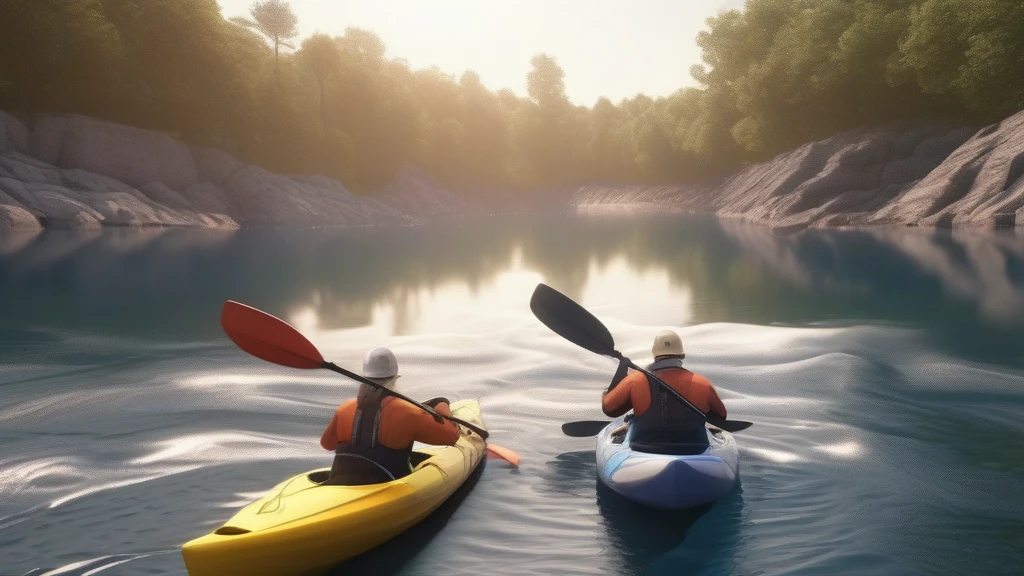
Choosing the perfect whitewater kayak for your adventures can be an exciting yet challenging process. Whether you’re drawn to solo expeditions exploring tidal waters or prefer tandem paddling with a partner on coastal tours, understanding the nuances between solo and tandem kayaks is essential for matching your kayak to your preferred style and environment. In this guide, we’ll dive into the key considerations that help you select the right whitewater kayak, focusing on performance, durability, comfort, and suitability for your unique water adventures.
Understanding Whitewater Kayaks: Beyond Rapids
While the term “whitewater kayak” often evokes images of rapid river navigation, many kayaks in this category are actually designed for high-performance touring on coastal waters, tidal areas, bays, estuaries, and large lakes. These kayaks emphasize stability, speed, and endurance, making them ideal for long-distance paddling, fitness training, and exploration rather than extreme whitewater conditions.
Materials like carbon fiber, Kevlar, fiberglass, and rotomolded polyethylene provide a balance of lightweight performance, durability, and UV resistance. Features such as adjustable seating, spray skirts, skegs for better tracking, deck bungees, and storage hatches enhance comfort and functionality for extended trips.
With this context, let’s explore how to choose between solo and tandem kayaks based on your adventure style.
Solo Whitewater Kayaks: Freedom and Agility
Who Should Consider Solo Kayaks?
Solo kayaks are perfect for paddlers who enjoy independence, personal challenge, and flexibility in their excursions. If you’re an intermediate to expert paddler interested in fitness training, coastal exploration, or long-distance touring on tidal waters or open oceans, a solo kayak offers the agility and control you need.
Advantages of Solo Kayaks
- Maneuverability: Solo kayaks are generally shorter and lighter, allowing for quick turns and precise handling in varying water conditions.
- Portability: Many solo models feature foldable or compact designs with integrated carrying systems such as shoulder straps or deck handles, making transportation and storage easier.
- Customization: Solo kayaks often provide adjustable seating and compatibility with different paddle types—carbon, feathered, or reinforced plastic—enabling paddlers to tailor their setup.
- Speed and Efficiency: Designed for endurance paddling, solo kayaks offer efficient tracking and speed, helping you cover longer distances with less effort.
Considerations When Choosing a Solo Kayak
- Load Capacity: Ensure the kayak supports your weight plus gear, typically between 300-500 lbs for touring models.
- Water Conditions: Look for kayaks with skegs or rudders to maintain directional control in tidal or coastal waters.
- Safety Certifications: Choose kayaks compliant with US Coast Guard, TÜV, CE, or ISO standards for peace of mind on the water.
- Storage Needs: If you plan multi-day trips, select models with ample storage hatches and deck bungees for securing gear.
Tandem Whitewater Kayaks: Shared Adventure and Stability
Who Benefits from Tandem Kayaks?
Tandem kayaks are ideal for paddlers who enjoy shared experiences, family outings, or guided tours. They offer stability for beginners or those seeking leisurely exploration with a partner. Tandem kayaks also appeal to paddlers needing more storage space or those who prefer splitting the paddling effort.
Advantages of Tandem Kayaks
- Enhanced Stability: Larger and wider than solo kayaks, tandem kayaks provide greater stability, especially useful in tidal and coastal waters.
- Shared Power: Two paddlers mean faster speeds and easier handling in challenging conditions.
- Increased Capacity: Tandem kayaks accommodate higher loads, making them suitable for gear-heavy expeditions.
- Social Experience: Paddling with a partner can increase safety and enjoyment during longer trips.
Considerations When Choosing a Tandem Kayak
- Size and Weight: Tandem kayaks are generally heavier and longer, requiring more effort to transport and store.
- Skill Coordination: Effective tandem paddling depends on coordination and communication between partners.
- Portability Features: Look for models with integrated carrying systems like wheels or multiple handles to ease transport.
- Water Compatibility: Ensure the kayak’s design suits your typical paddling environment—some tandem models are optimized for lakes and calm bays, while others handle tidal or coastal waters.
Key Factors to Weigh When Choosing Between Solo and Tandem Kayaks
Activity Type and Frequency
- If you favor solo fitness paddling, exploration, and endurance training, a solo kayak is likely your best match.
- For family outings, beginner-friendly paddling, or shared touring adventures, tandem kayaks provide an excellent platform.
Skill Level and Confidence
- Solo kayaking demands more skill in navigation and self-rescue techniques but offers greater control.
- Tandem kayaking can be more forgiving for novices due to increased stability and shared paddling effort.
Transportation and Storage
- Solo kayaks’ compact and lightweight designs make them easier to transport on rooftops or in smaller vehicles.
- Tandem kayaks may require trailers or larger vehicles but often feature design elements to assist with handling off the water.
Budget and Maintenance
- Consider the costs of additional gear like paddles, spray skirts, and safety equipment for solo versus tandem setups.
- Maintenance needs are generally similar; however, larger tandem kayaks might require more storage space and care to protect their hulls.
Essential Features to Look For Regardless of Kayak Type
- Durable Materials: Carbon fiber and Kevlar offer lightweight strength ideal for performance, while rotomolded polyethylene and thermoformed ABS provide rugged durability and UV resistance.
- Safety Compliance: US Coast Guard and international certifications ensure your kayak meets safety and performance standards.
- Comfort: Adjustable seating and ergonomic cockpit design reduce fatigue on long paddles.
- Accessory Compatibility: Deck bungees, spray skirts, and storage hatches enhance your ability to carry gear securely and stay dry.
- Directional Control: Skegs or rudders help maintain a straight course in windy or tidal conditions.
Maintenance and Care Tips for Lasting Performance
- UV Protection: Rinse your kayak after use and store it in the shade or indoors to prevent sun damage.
- Hull Inspection: Regularly check for cracks or abrasions, especially after beach landings or transport.
- Hardware Check: Inspect deck fittings, handles, and skegs to ensure they are secure and functioning.
- Cleaning: Use mild soap and water to remove salt, dirt, and debris after each outing.
Conclusion
Choosing between a solo and tandem whitewater kayak ultimately depends on your adventure style, skill level, and typical paddling environment. Solo kayaks offer agility, speed, and independence, making them ideal for fitness enthusiasts and solo explorers navigating coastal and tidal waters. Tandem kayaks provide stability, shared power, and capacity, perfect for partners, families, or those prioritizing comfort and social paddling.
By considering factors such as material durability, safety certifications, portability, and your specific water conditions, you can confidently select a kayak that enhances your outdoor experiences and supports your paddling goals for years to come. Whether carving through ocean waves or gliding across serene bays, the right whitewater kayak turns every journey into a memorable adventure.