
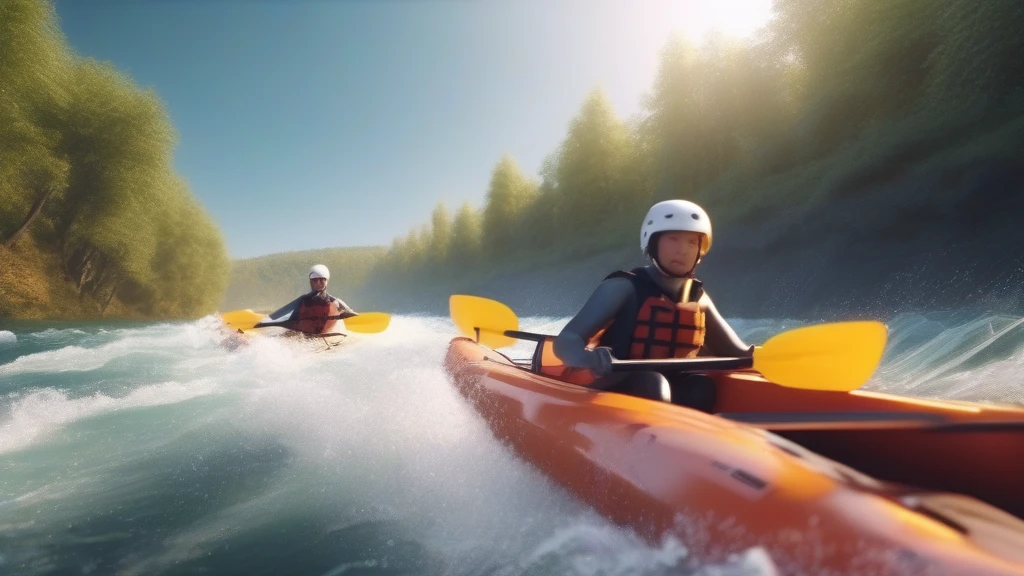
Slalom kayaking is an exhilarating sport that combines speed, precision, and agility on fast-moving rivers and downriver courses. Whether you’re an intermediate paddler aiming to sharpen your technique or a competitive racer seeking peak performance, choosing the right slalom kayak is crucial. One of the fundamental decisions you’ll face is whether to go solo or tandem. Each option offers distinct advantages and challenges that can affect your paddling experience, performance, and training.
In this article, we’ll explore how to pick the right slalom kayak based on your paddling style, skill level, and intended use. We’ll also delve into essential factors such as materials, design features, safety considerations, and maintenance tips. By the end, you’ll feel equipped to make an informed choice that aligns with your kayaking goals.
Understanding Slalom Kayaks: What Sets Them Apart
Slalom kayaks are specialized vessels designed for high-performance paddling in competitive and fitness contexts. They are lightweight, streamlined, and engineered for rapid maneuvering and stability at racing speeds. Typically constructed from advanced materials like carbon fiber, Kevlar, and fiberglass, these kayaks offer an optimal balance between strength, impact resistance, and minimal weight—often under 35 pounds.
Key features include:
- Aerodynamic hull shapes for low drag and enhanced control
- Ergonomic adjustable seating and footrests to improve paddling efficiency
- Spray skirts and weatherproof builds to keep paddlers dry and comfortable
- Safety systems such as quick-release mechanisms and reinforced hulls
- Portability enhancements, including carry handles and modular components
These characteristics make slalom kayaks ideal for intense river sprints, downriver races, and fitness-focused paddling sessions.
Solo Slalom Kayaks: Precision and Performance in One Seat
Advantages of Solo Kayaks
Solo slalom kayaks are designed for individual paddlers who want full control over their boat’s speed and direction. Because of their shorter length and narrower hulls, solo kayaks excel in responsiveness and maneuverability, which are critical in slalom courses with tight turns and gates.
Key benefits include:
- Greater agility: Solo kayaks respond quickly to paddle strokes, allowing for sharp, precise movements.
- Lower weight: Lighter construction makes for easier transport and faster acceleration on the water.
- Customizable fit: Adjustable seating and footrests optimize paddler comfort and power transfer.
- Ideal for competitive racing: Many racers prefer solo kayaks for their streamlined design and speed potential.
Who Are Solo Kayaks Best For?
- Intermediate to advanced paddlers focused on improving technique and competitive results
- Fitness paddlers seeking intensive aerobic workouts with precise control
- Individuals who want to participate in sprint and slalom events
Considerations When Choosing a Solo Kayak
- Ensure the kayak’s cockpit size matches your body for stability and comfort
- Look for models with durable hull materials like carbon fiber or Kevlar for longevity and performance
- Consider additional features such as integrated storage hatches if you plan longer tours
Tandem Slalom Kayaks: Shared Power and Adventure
Advantages of Tandem Kayaks
Tandem slalom kayaks accommodate two paddlers in a single boat, making them excellent for shared experiences, tandem racing, and training partnerships. They tend to be longer and slightly wider to support two paddlers, which affects speed and handling differently than solo kayaks.
Key benefits include:
- Shared paddling power: Two paddlers can generate more propulsion, which can translate to higher speeds over longer distances.
- Teamwork and coordination: Tandem kayaking encourages communication and synchronized paddling, valuable skills for team events.
- Versatility: Tandem kayaks can often be used solo by one paddler if designed with modular seating configurations.
- Recreational appeal: Great for social paddling, adventure touring, or fitness training with a partner.
Who Are Tandem Kayaks Best For?
- Paddlers who enjoy shared experiences or want to train with a partner
- Beginners who benefit from the added stability and support of tandem setups
- Teams preparing for tandem slalom or sprint events
Considerations When Choosing a Tandem Kayak
- Tandem kayaks are generally heavier and less maneuverable than solo models, so consider your paddling environment
- Check for ergonomic adjustments to accommodate two different paddlers’ sizes
- Prioritize safety features like reinforced hulls and quick-release systems, especially for dynamic river conditions
Materials Matter: How Construction Influences Performance and Durability
The materials used in slalom kayak construction have a direct impact on weight, durability, and handling. Here’s a breakdown of common materials and their traits:
- Carbon Fiber: Extremely lightweight and stiff, offering superior speed and responsiveness. Ideal for competitive paddlers but typically more expensive.
- Kevlar: Highly impact-resistant and lightweight, providing a good balance between durability and performance.
- Fiberglass: Offers decent strength and weight savings but is less durable against impact compared to carbon fiber or Kevlar.
- High-Density Polyethylene (HDPE): Very durable and resistant to abrasion, but heavier and less rigid. Suitable for beginners or rugged conditions.
- Thermoformed ABS: Lightweight and impact-resistant, often used in mid-range kayaks for durability without excessive weight.
Choosing the right material depends on your priorities—whether it’s racing speed, durability in rocky rivers, or budget constraints.
Training Tips for Slalom Kayaking Success
Regardless of your kayak choice, effective training is essential for improving technique and performance:
- Practice precision steering: Use drills that emphasize quick turns and gate navigation to improve boat control.
- Build endurance: Incorporate interval training and longer paddling sessions to enhance cardiovascular fitness.
- Strengthen core muscles: Core stability aids balance and power transfer during rapid maneuvers.
- Simulate race conditions: Train on courses with similar features to your competitive events for familiarity.
Safety and Maintenance: Protecting Yourself and Your Kayak
High-speed slalom kayaking demands attention to safety and equipment care:
- Regularly inspect hulls for cracks or damage, especially around impact-prone areas.
- Use spray skirts and personal flotation devices (PFDs) to stay dry and secure in turbulent waters.
- Familiarize yourself with emergency quick-release systems and practice rescue techniques.
- Store kayaks away from direct sunlight to prevent UV degradation of materials.
- Clean your kayak after use to remove dirt, algae, and saltwater residue.
Final Thoughts: Matching Your Style to Your Slalom Kayak
Choosing between a solo or tandem slalom kayak hinges on your paddling style, goals, and preferences. Solo kayaks offer unmatched agility and speed for racers and fitness enthusiasts focused on individual performance. Tandem kayaks provide a collaborative experience, shared power, and versatility for teams, beginners, or those seeking social paddling adventures.
By considering factors such as hull materials, ergonomic features, safety systems, and maintenance needs, you can select a slalom kayak that enhances your enjoyment and success on the water. Whether carving tight slalom gates solo or gliding in tandem downriver, the right kayak will empower you to paddle with confidence and skill.
Embark on your slalom kayaking journey equipped with knowledge and the right craft to match your paddling passion.