
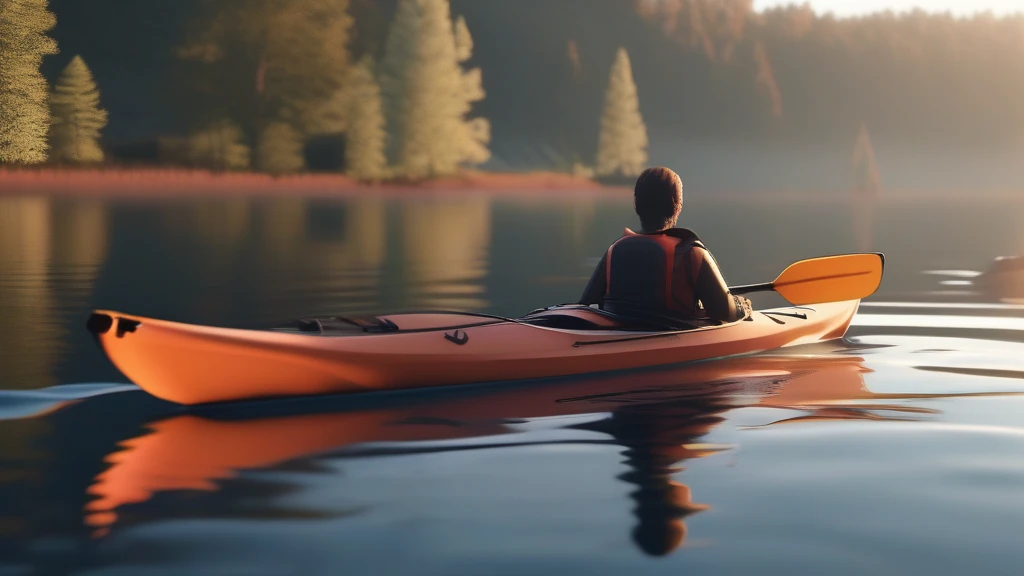
Exploring calm lakes, gentle rivers, or coastal bays by kayak offers a unique blend of tranquility, exercise, and adventure. Flatwater kayaks, designed specifically for these serene environments, provide stability, ease of use, and comfort—making them a popular choice for paddlers of all skill levels. But when it comes to choosing between solo and tandem flatwater kayaks, how do you decide which model best suits your needs? This guide breaks down the key differences, advantages, and considerations to help you pick the perfect kayak for your next outing.
Understanding Flatwater Kayaks: What Sets Them Apart?
Before diving into the solo-versus-tandem debate, it’s important to understand what flatwater kayaks are designed for. These kayaks are optimized for calm or mildly flowing waters, such as lakes, bays, slow rivers, and protected coastal areas. Their hulls prioritize stability and smooth tracking over speed in rough conditions, making them ideal for recreational paddling, fitness, and touring.
Modern flatwater kayaks typically feature lightweight yet durable materials like fiberglass, carbon fiber, Kevlar, or roto-molded polyethylene. They often include ergonomic, adjustable seating, storage compartments, deck bungees for gear, and sometimes rudder systems to enhance directional control. Additionally, many models come with safety certifications ensuring reliability on the water.
With this background, let’s explore the differences between solo and tandem flatwater kayaks and how those differences impact your experience.
Solo Flatwater Kayaks: Freedom and Focus in Every Paddle
Advantages of Solo Kayaks
-
Maneuverability and Agility: Solo kayaks are generally shorter and narrower, allowing quicker turns and easier navigation through tight spots like narrow river bends or dock areas.
-
Lightweight and Portable: Their smaller size and lighter weight make solo kayaks easier to transport and launch. Many can be carried by a single person using integrated handles or shoulder straps, which is perfect for solo adventurers or those with limited help.
-
Personalized Paddling Experience: With only one paddler, you have full control over your pace, stroke rhythm, and route choices. This is ideal for fitness enthusiasts honing technique or explorers who want to move at their own speed.
-
Storage and Comfort Designed for One: Solo kayaks often maximize cockpit ergonomics with adjustable seating and foot braces tailored to one paddler. Storage hatches and deck space are optimized for solo gear, keeping your essentials within easy reach.
Considerations When Choosing a Solo Kayak
-
Weight Capacity: Ensure the kayak’s weight limit comfortably supports your body weight plus gear, especially if you plan on longer trips requiring extra supplies.
-
Paddling Skill Level: While many solo flatwater kayaks are beginner-friendly with stable hulls, narrower models suited for speed or touring may require some experience to handle confidently.
-
Intended Use: Solo kayaks excel for fitness paddling, day trips, or quiet solo exploration. If you want to share your adventure, you’ll need a tandem or multiple boats.
Tandem Flatwater Kayaks: Teamwork and Togetherness on the Water
Advantages of Tandem Kayaks
-
Shared Experience: Tandem kayaks allow two people to paddle together, making them perfect for couples, friends, or families wanting to share the adventure and bond on the water.
-
Increased Stability: Longer and wider than solos, tandem kayaks provide excellent stability, which is reassuring for beginners or paddlers carrying extra gear.
-
Greater Carrying Capacity: The combined weight capacity of a tandem often surpasses that of a solo, enabling longer trips with more supplies or even a pet on board.
-
Versatility: Many tandem flatwater kayaks feature convertible seating arrangements, allowing one paddler to use the kayak solo when needed.
Considerations When Choosing a Tandem Kayak
-
Coordination Required: Tandem paddling requires communication and teamwork to maintain rhythm and direction. Mismatched paddling styles or experience levels can affect performance.
-
Transport and Storage: Tandems are heavier and bulkier, which may necessitate roof racks or trailer transport and require two people to carry safely.
-
Limited Solo Use: While some tandems convert for solo use, they generally don’t perform as efficiently solo compared to dedicated solo kayaks due to their size and weight.
Key Factors to Help You Decide
1. Who Will Be Paddling?
- If you primarily paddle alone and value control and agility, a solo kayak is ideal.
- If you regularly paddle with a partner or want to share the experience, a tandem fits better.
2. What Kind of Water Will You Explore?
- Solo kayaks often handle tighter waterways more easily.
- Tandems shine on open lakes and gentle rivers where stability and space matter.
3. How Much Gear Do You Need to Carry?
- Solo kayaks offer limited storage for solo adventurers.
- Tandems can carry more gear, making them suitable for longer excursions or multi-day trips.
4. What Is Your Experience Level?
- Both kayak types offer beginner-friendly options, but solo kayaks with wider hulls can be easier for newcomers to balance.
- Tandems provide extra stability but require coordination between paddlers.
5. Transportation and Storage Considerations
- Solo kayaks are easier to transport alone and store in smaller spaces.
- Tandems may need more planning for transport and storage due to their size.
Tips for Getting the Most from Your Flatwater Kayak
-
Try Before You Buy: Whenever possible, test paddle both solo and tandem models in calm waters to feel their handling and comfort firsthand.
-
Pay Attention to Materials: Choose kayaks made from UV-resistant, durable materials like rotomolded polyethylene or fiberglass for longevity and ease of maintenance.
-
Adjust Seats and Footrests: Proper ergonomics reduce fatigue and improve paddling efficiency, especially for longer outings.
-
Learn to Use Rudders and Spray Skirts: Rudders help maintain direction in windy conditions, while spray skirts keep you dry and comfortable.
-
Practice Safety: Always wear a personal flotation device and check safety certifications when selecting a kayak.
Conclusion: Matching Your Kayak to Your Adventure
Both solo and tandem flatwater kayaks offer unique benefits tailored to different paddling styles, skill levels, and adventure goals. Solo kayaks provide freedom, agility, and ease of transport for those seeking personal challenge or quiet exploration. Tandem kayaks foster shared experiences, stability, and greater carrying capacity for pairs or families ready to paddle in tandem.
Consider your typical paddling companions, preferred environments, gear needs, and transport logistics when making your choice. By understanding the strengths and limitations of each, you can select a flatwater kayak that enhances your enjoyment and confidence on the water—setting the stage for countless memorable adventures.