
When it comes to diving and snorkeling, fins are essential gear that profoundly influence your underwater experience. Whether you’re a beginner snorkeler, an avid freediver, or a professional technical diver, choosing the right fin blade design can boost your propulsion efficiency, reduce fatigue, and improve maneuverability. Among the most popular blade types are split blade, paddle, and vented fins—each with distinct characteristics suited to different underwater activities and skill levels.
This article explores these three fin designs, breaking down their advantages, limitations, and ideal use cases. By understanding how each fin type works, you can make an informed decision that maximizes your efficiency underwater and aligns with your diving style.
Understanding the Importance of Fin Design in Underwater Mobility
Before diving into specific blade types, it’s crucial to grasp why fin design matters. The primary function of fins is to convert leg motions into thrust, propelling you through water with minimal effort. Efficient fins reduce drag, conserve energy, and enhance your control, which is especially important during extended dives or when navigating challenging underwater environments.
Fin performance depends on factors such as blade shape, flexibility, material, and venting features. Additionally, the fit and comfort of the foot pocket, adjustability, and the fin’s overall weight also impact your swimming efficiency and safety.
Split Blade Fins: Innovative Propulsion with Reduced Fatigue
How Split Blades Work
Split blade fins feature a longitudinal split down the center of the blade, effectively dividing it into two separate sections. This design allows the blade to flex and channel water more efficiently with each kick, creating a propulsion effect that mimics a natural swimming motion.
Benefits of Split Blades
- Energy Efficiency: By reducing resistance during the upstroke and downstroke, split blades lower the effort required to swim, making them ideal for long-distance snorkeling and freediving.
- Reduced Leg Fatigue: The unique split reduces muscle strain, allowing divers to conserve energy and maintain longer bottom times.
- Improved Maneuverability: The flexible blade sections provide smoother turns and better control in tight underwater spaces.
- Less Drag: Water flows through the split, decreasing drag and making each kick more effective.
Considerations
- Power Output: Split blades may generate less thrust compared to paddle fins, making them less suitable for strong currents or technical diving requiring powerful propulsion.
- Learning Curve: Some users find split blades require adjustment in kicking technique to maximize benefits.
- Durability: Split blades often use flexible materials that may be prone to wear if not properly maintained.
Ideal For
Recreational snorkelers, freedivers, and casual divers aiming for energy-efficient swimming and comfort over longer distances.
Paddle Fins: Classic Design for Maximum Thrust and Versatility
How Paddle Blades Work
Paddle fins have a solid, wide blade without splits or vents. This traditional design relies on the broad surface area to push large volumes of water with each kick, resulting in powerful thrust.
Benefits of Paddle Fins
- High Propulsion Power: The solid blade delivers strong thrust, useful for swimming against currents or carrying heavy gear.
- Simple and Reliable: With fewer moving parts or complex designs, paddle fins are often more durable and easier to maintain.
- Versatility: Suitable for various underwater activities including scuba diving, snorkeling, and underwater photography.
- Immediate Response: The rigid blade offers direct feedback, which some divers prefer for precise movements.
Considerations
- Increased Effort: The broad surface area can cause faster leg fatigue, especially for beginners or during extended swims.
- Less Energy Efficient: Without features to reduce drag, paddle fins may require more physical exertion compared to split or vented designs.
- Bulkier: Typically heavier and less travel-friendly than some modern alternatives.
Ideal For
Beginner to advanced divers who prioritize power and control, especially in challenging conditions or when carrying equipment.
Vented Fins: Balanced Design for Efficient Thrust and Reduced Drag
How Vented Blades Work
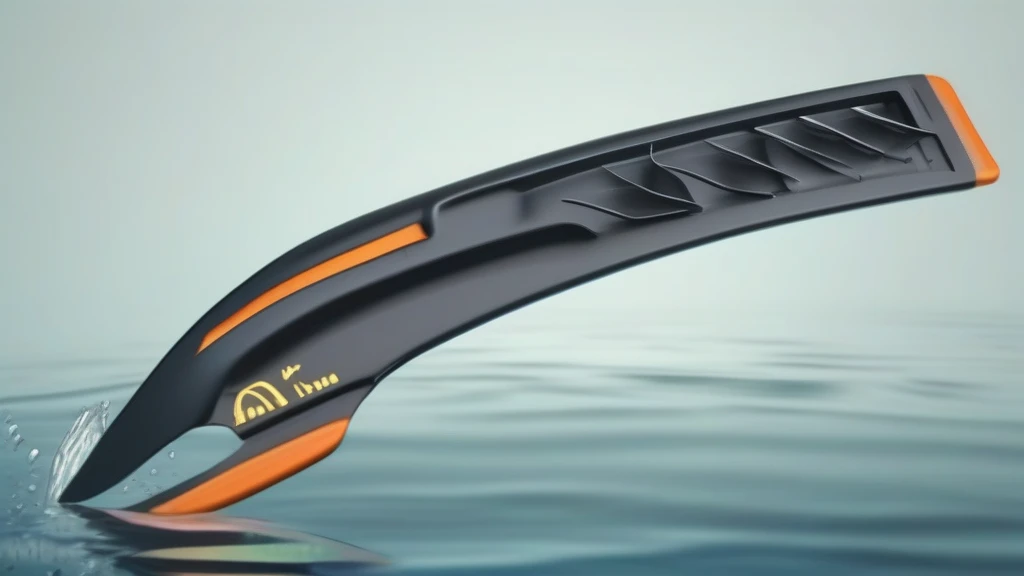
Vented fins incorporate strategically placed openings or channels in the blade, allowing water to pass through during kicks. This reduces resistance while maintaining a solid blade structure for propulsion.
Benefits of Vented Fins
- Improved Kick Efficiency: Vents reduce drag by allowing water to flow through, conserving energy during fin strokes.
- Balanced Power and Ease: They strike a middle ground between the power of paddle fins and the efficiency of split blades.
- Enhanced Control: Vents can stabilize the blade, reducing side-to-side wobbling and improving straight-line swimming.
- Durability: Typically constructed with robust materials that withstand abrasion and UV exposure.
Considerations
- Moderate Learning Curve: Vented fins are generally intuitive but may require some getting used to compared to paddle fins.
- Less Thrust Than Paddle: While efficient, vented fins may not deliver the same raw propulsion power needed for strong currents or technical diving.
Ideal For
Divers and snorkelers seeking a balanced fin that offers good propulsion with less effort, suitable for diverse underwater environments.
Additional Factors to Consider When Choosing Fins
Foot Pocket and Adjustability
Comfort is as important as blade design. Look for fins with adjustable heel straps or stretchable foot pockets that provide a secure fit without chafing. Open-heel designs with quick-release buckles offer versatility for use with neoprene boots.
Materials and Sustainability
Modern fins often use lightweight, durable materials such as carbon fiber, fiberglass, thermoplastic rubber, or eco-friendly composites. Choosing fins made from recyclable or non-toxic components supports environmental sustainability in marine sports.
Portability and Travel Features
For diving enthusiasts on the go, compact or foldable fins with included travel bags make packing easier without sacrificing performance.
Color and Visibility
High-visibility colors improve underwater safety by making divers easier to spot. This feature is particularly valuable in crowded dive sites or low-visibility conditions.
Conclusion: Matching Fin Design to Your Underwater Needs
Selecting the right fin blade design hinges on your diving style, environment, and personal preferences.
- Choose split blade fins if you value energy efficiency, reduced fatigue, and smooth maneuverability during relaxed snorkeling or freediving sessions.
- Opt for paddle fins when you need maximum thrust and durability for powerful swimming, technical diving, or challenging currents.
- Consider vented fins if you want a versatile, balanced solution that offers efficient propulsion with less drag and good control.
Beyond blade design, prioritize fit, material quality, and additional features that enhance comfort, durability, and environmental responsibility. By investing time in understanding these aspects, you can elevate your underwater adventures with fins tailored to your unique needs and maximize your enjoyment beneath the waves.