
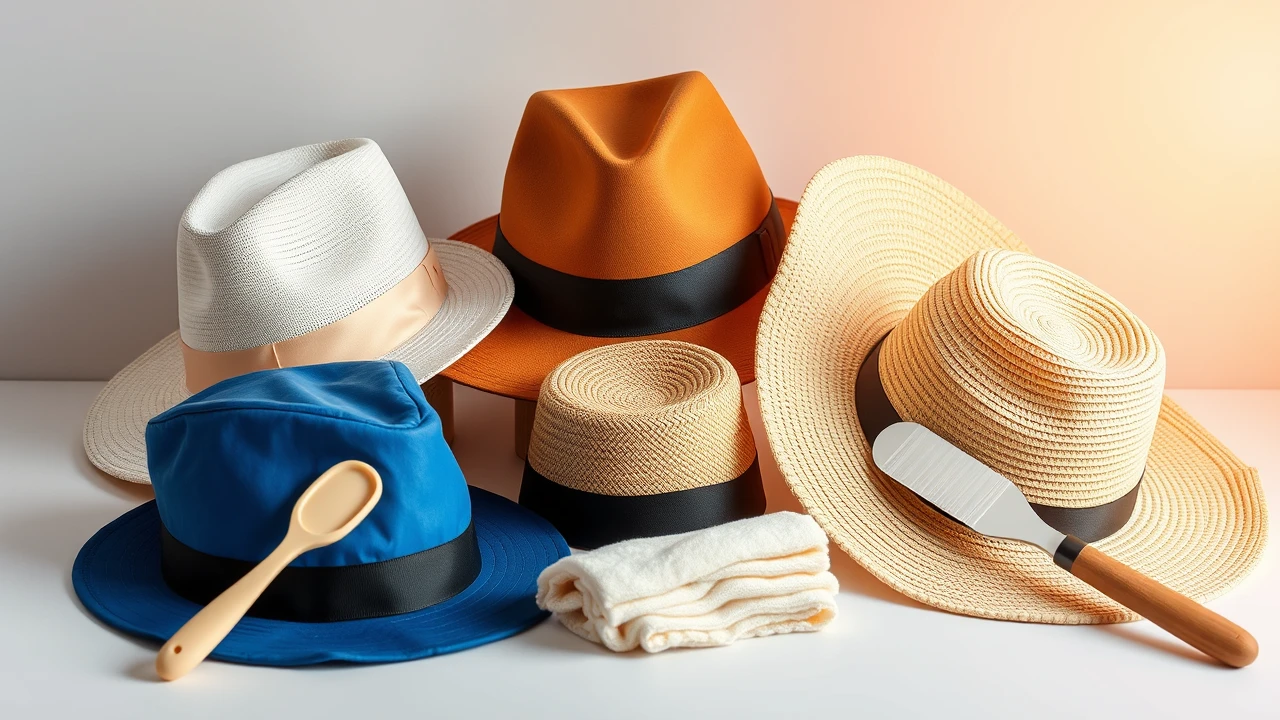
Hats are more than just fashion statements—they’re essential accessories that provide sun protection, enhance comfort, and complete your outdoor look. Whether you’re hiking rugged trails, lounging on the beach, or enjoying everyday activities, a well-maintained hat can keep you comfortable and stylish for years. Different materials—cotton, nylon, and straw—offer unique benefits but also require tailored care to preserve their shape, functionality, and appearance.
In this guide, we’ll explore practical, step-by-step care tips to keep your cotton, nylon, and straw hats looking fresh and new, so you can confidently wear them season after season.
Understanding Your Hat Material
Before diving into cleaning and maintenance, it’s important to understand the material composition of your hat, as this influences the care approach.
Cotton Hats
Cotton hats are popular for their breathability, softness, and natural feel. They often feature moisture-wicking sweatbands and provide good UV protection. Cotton is durable but can shrink or lose shape if not handled properly.
Nylon Hats
Nylon hats are prized for their lightweight, quick-drying, and water-resistant properties. They often incorporate advanced technologies like moisture-wicking and anti-odor treatments. Nylon is tough but sensitive to high heat and harsh chemicals.
Straw Hats
Straw hats offer a classic, eco-friendly style with excellent ventilation, making them ideal for sunny weather. Made from natural fibers, they are lightweight and biodegradable but delicate and prone to cracking or warping if exposed to moisture or rough handling.
General Hat Care Principles
Regardless of material, some overarching practices help maintain your hat’s condition:
- Store Properly: Keep hats in a cool, dry place away from direct sunlight to prevent fading and material degradation. Use hat boxes or hooks to maintain shape.
- Avoid Excessive Heat: Steer clear of high temperatures from dryers or irons, which can warp or shrink materials.
- Handle Gently: When putting on or removing hats, handle the brim and crown carefully to avoid deforming the structure.
- Clean Regularly: Light cleaning prevents buildup of sweat, oils, and dirt, extending the life of your hat.
Step-by-Step Care for Cotton Hats
Cotton hats are versatile but require gentle cleaning to avoid shrinking or misshaping.
Cleaning
- Spot Clean First: Use a damp cloth with mild detergent to gently rub away stains or sweat marks.
- Hand Wash for Deeper Cleaning: Fill a basin with lukewarm water and a small amount of gentle detergent. Submerge your hat and gently agitate it by hand.
- Rinse Thoroughly: Rinse in cool water until no soap residue remains.
- Avoid Machine Washing: Machine cycles can distort shape and cause shrinkage.
- Drying: Reshape the hat and air dry on a clean towel, avoiding direct sunlight. Use a hat form or stuff with tissue paper to maintain the crown’s shape.
Maintenance Tips
- Remove detachable sweatbands and clean them separately to prevent odor buildup.
- For stubborn stains, a soft-bristled brush can help lift dirt without damaging fibers.
Step-by-Step Care for Nylon Hats
Nylon hats are functional and durable but need proper care to maintain fabric technologies like moisture-wicking and quick-dry.
Cleaning
- Spot Clean When Possible: Wipe away dirt or sweat marks using a damp cloth and mild soap.
- Machine Wash on Gentle Cycle: Most nylon hats can be machine washed on a delicate cycle using cold water. Check manufacturer guidelines for confirmation.
- Use Mild Detergent Only: Avoid bleach or fabric softeners which can damage fabric coatings.
- Skip the Dryer: Air drying is best to preserve shape and fabric integrity. Lay flat or hang to dry.
- Avoid Ironing: High heat can melt or warp nylon fibers.
Maintenance Tips
- Rinse hats with fresh water after exposure to saltwater or sweat to prevent fabric breakdown.
- Store nylon hats folded or rolled if designed for packability, but avoid sharp creases.
Step-by-Step Care for Straw Hats
Straw hats require the most delicate handling due to their natural fiber construction.
Cleaning
- Dust and Debris Removal: Use a soft brush or a dry cloth to gently brush off dirt and dust.
- Spot Clean with Caution: Lightly dampen a cloth with water mixed with mild soap and dab gently on stains. Avoid soaking the straw.
- Avoid Saturation: Straw fibers weaken and warp when wet, so never submerge your straw hat in water.
- Dry Thoroughly: If damp, air dry in a shaded, well-ventilated area to prevent mold and maintain shape.
- Avoid Heat and Sunlight: Prolonged exposure causes brittleness and fading.
Maintenance Tips
- Store straw hats on a flat surface or use a hat stand to retain shape.
- Consider applying a light spray of fabric protectant designed for natural fibers to repel stains and moisture.
- Handle the brim and crown delicately, as they can crack under pressure.
Additional Care Tips for All Hats
Sweatband Hygiene
Sweatbands absorb moisture and oils, making them prone to odor and bacteria buildup.
- Regular Cleaning: Remove and wash sweatbands when possible or wipe them down after use.
- Use Hat Liners: Thin, moisture-wicking liners can be worn underneath to protect the hat interior.
Shape Preservation
- Use Hat Forms or Stuffing: When drying or storing hats, support the crown with tissue paper or a hat form.
- Avoid Crushing: Never sit or place heavy objects on hats to maintain structural integrity.
Handling Adjustable Closures
- Frequently check Velcro, snapbacks, or drawstrings to ensure they function smoothly.
- Clean adjustable parts with a soft brush to remove dirt and prevent wear.
Conclusion
Proper care extends the life and performance of your hats, no matter the material. By following these step-by-step tips for cotton, nylon, and straw hats, you’ll keep them looking fresh, preserving their sun protection, comfort, and style benefits. Regular maintenance combined with mindful storage and gentle cleaning ensures your hats remain reliable companions on every outdoor adventure and casual outing.
Investing time in hat care not only protects your accessory but also supports sustainable use, reducing waste and the need for frequent replacements. With a little effort, your hats will continue to shield, cool, and complement your look for many seasons to come.