
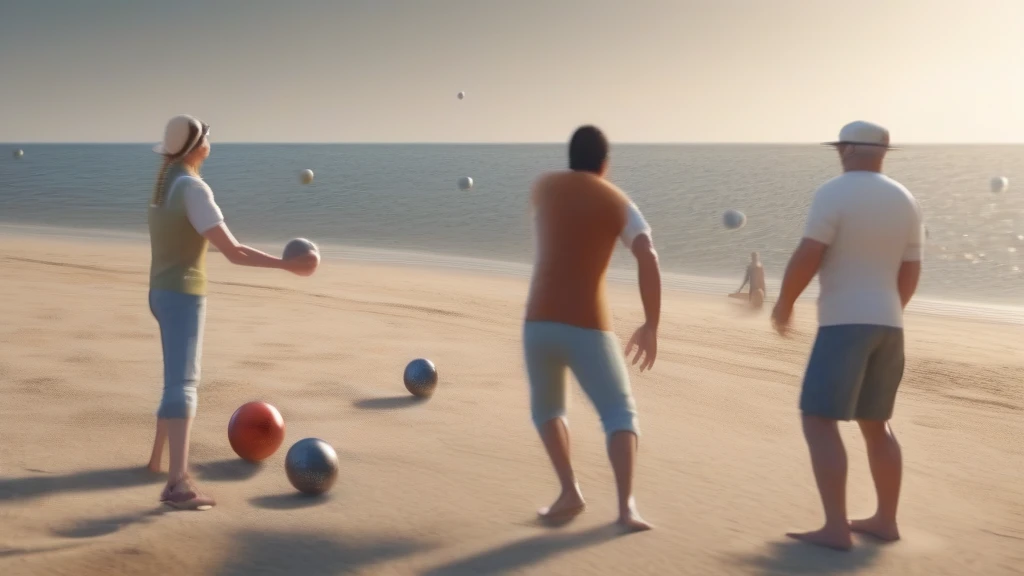
Outdoor games have a unique way of bringing people together, encouraging active play, and creating lasting memories. Whether you’re at the beach, in your backyard, or camping with friends, organizing a game day centered around beach and sand toys can turn an ordinary day into an exciting, social event. This guide walks you through everything you need to plan a fun and competitive outdoor game day featuring toss and pétanque-style games—perfect for families, casual players, and enthusiasts alike.
Why Choose Beach & Sand Toss Games?
Games like pétanque and ring toss offer an ideal mix of skill, strategy, and social interaction. These games are accessible to all ages and skill levels, requiring minimal setup while promoting friendly competition. The portability and durability of modern beach and sand toys—often made from weatherproof materials like carbon steel, aluminum, or eco-friendly plastics—make them perfect for outdoor settings such as sandy shores, grassy yards, or gravel campsites.
Step 1: Select the Right Games and Equipment
Consider Your Audience
Start by thinking about who will be playing. Are there young children, casual players, or serious pétanque enthusiasts in your group? For families with kids, lightweight, colorful toss games made from soft, non-toxic materials are ideal. For more experienced players, tournament-grade pétanque sets with precision-balanced steel boules offer a higher level of challenge.
Choose Weatherproof and Durable Sets
Outdoor game equipment must withstand sand, sun, and occasional dampness. Look for games made with rust-resistant metals, abrasion-resistant plastics, or UV-protected materials. Many sets come with carrying cases and complete kits—including measuring tapes and score sheets—which simplify transport and setup.
Think About Game Variety and Customization
Incorporate a mix of games such as pétanque, ring toss, or disc toss to keep the day dynamic. Some sets feature glow-in-the-dark or UV-resistant components, allowing play to continue after sunset. Adjustable ball sizes or engraved pieces add a personal touch and can accommodate varying skill levels.
Step 2: Plan Your Venue and Layout
Choose a Suitable Playing Surface
Beach and sand toss games are versatile, playable on sand, grass, gravel, or even indoor floors. Select a flat, open area with enough space for multiple game stations. For pétanque, a gravel or compacted sand surface is ideal, while ring toss games work well on grass or smooth ground.
Define Game Zones
Organize the space into designated areas for each game type to avoid crowding. Use cones, markers, or natural boundaries to outline playing zones, keeping safety and comfort in mind. Ensure there’s room for spectators and resting spots nearby.
Prepare for Weather and Comfort
If your game day stretches into the afternoon, consider shade options like umbrellas or pop-up tents. Pack plenty of water and sunscreen, and have seating available for breaks. For evening play, set up portable lights or use glow-in-the-dark game sets to maintain visibility.
Step 3: Establish Rules and Formats
Explain Basic Rules Clearly
Before the games begin, gather players to explain the rules, scoring methods, and etiquette. For beginners, keep instructions simple and demonstrate key techniques, such as how to toss rings or position boules in pétanque. This ensures everyone feels comfortable and ready to play.
Create Teams and Rotate Players
Divide participants into balanced teams to encourage teamwork and friendly rivalry. Rotate players between games or roles to maintain engagement and give everyone a chance to try different skills.
Introduce Game Variations and Levels
Mix traditional rules with fun variations to keep the competition fresh. For example, add time limits, handicaps, or special scoring zones. Adjust difficulty by varying distances or using different sized balls and rings to match player abilities.
Step 4: Keep Score and Celebrate Achievements
Use Official or DIY Score Sheets
Many game kits include scoring sheets, but you can also create your own with simple charts. Keeping track of points adds excitement and encourages fair play.
Recognize All Participants
Celebrate not just winners but also good sportsmanship, improvement, and creative plays. Small prizes or certificates add to the festive spirit, especially for family events.
Step 5: Maintain and Store Your Equipment Post-Game
Clean Off Sand and Dirt
After play, wipe down game pieces with a damp cloth to remove sand, dirt, and moisture. This prevents corrosion and keeps equipment in good condition.
Dry and Store Properly
Ensure all components are fully dry before packing them away to avoid rust and mold. Use provided carrying cases or breathable bags to store games in a cool, dry place until next use.
Inspect for Wear and Damage
Regularly check for cracks, dents, or worn grips, replacing parts as needed to maintain safety and performance.
Additional Tips for a Successful Game Day
- Encourage Family-Friendly Play: Choose games with child-safe, non-toxic materials and ergonomic grips to accommodate younger players.
- Incorporate Environmental Responsibility: Opt for eco-friendly toys made from recyclable or sustainable materials to minimize environmental impact.
- Plan for Extended Play: Utilize glow-in-the-dark or UV-resistant games to extend fun into the evening.
- Include Multi-Generational Players: Arrange inclusive games that engage kids, parents, and grandparents alike, fostering bonding across ages.
- Keep It Portable: Select lightweight, compact sets with carrying cases for easy transport to different venues.
Conclusion
Organizing a fun and competitive outdoor game day with beach and sand toys is a rewarding way to promote active social interaction and skill-building in a relaxed setting. By carefully selecting suitable equipment, preparing your venue thoughtfully, clearly communicating rules, and maintaining your gear well, you can create an engaging experience that everyone—from beginners to seasoned players—will enjoy. With a little planning and the right games, your outdoor gathering will be memorable, spirited, and full of laughter.