
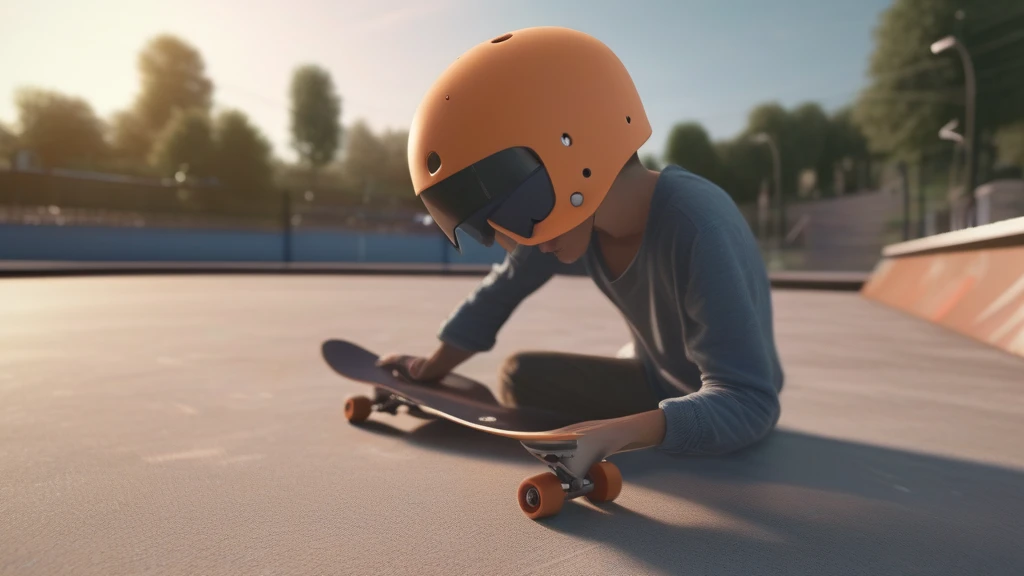
Skate helmets play a crucial role in protecting your head during skateboarding, scootering, BMX riding, and other outdoor sports. While choosing a helmet certified for safety and made from quality materials is essential, ensuring that it fits and is adjusted correctly is just as important for maximum protection. An improperly fitted helmet can compromise safety and comfort, reducing its effectiveness in impact situations. This guide walks you through the step-by-step process of properly fitting and adjusting your skate helmet, so you can focus on your sport with confidence and peace of mind.
Why Proper Helmet Fit Matters
Before diving into the fitting process, it’s worth understanding why fit is critical:
- Optimal Protection: A helmet that sits securely on your head absorbs and disperses impact energy effectively. A loose or ill-fitting helmet may shift during a fall, exposing vulnerable areas.
- Comfort: A well-fitted helmet reduces pressure points, prevents chafing, and allows for better ventilation, making it more comfortable to wear for extended periods.
- Performance: Stability during movement enhances focus and control, especially in dynamic sports like skateboarding or BMX riding.
- Compliance: Many safety certifications, such as CPSC and ASTM, assume the helmet is worn properly to meet impact standards.
Step 1: Measure Your Head Size Accurately
To select the right helmet size, start by measuring your head circumference.
How to Measure:
- Use a flexible measuring tape.
- Place the tape about 1 inch (2.5 cm) above your eyebrows and ears, wrapping it around the largest part of your head.
- Ensure the tape is snug but not tight.
- Note the measurement in centimeters or inches.
This measurement corresponds to helmet sizing charts provided by manufacturers, which often include size ranges like Small (52-56 cm), Medium (56-58 cm), and Large (58-61 cm).
Step 2: Choose the Right Helmet Size
Once you have your head measurement:
- Select a helmet size that fits within your measurement range.
- If you’re between sizes, consider the helmet’s adjustability features or try both sizes if possible.
- Remember that youth helmets may offer additional sizing pads to accommodate growth.
Step 3: Put on the Helmet Correctly
When trying on your helmet:
- Place it level on your head, covering the forehead without tilting backward or forward.
- The front edge should sit approximately 1-2 finger-widths above your eyebrows.
- The helmet should feel snug but not uncomfortably tight.
Step 4: Adjust the Internal Fit System
Most modern skate helmets come with an internal fit adjustment mechanism designed to customize the helmet’s grip.
Common Adjustment Systems:
- Rotational Dial: Located at the rear, turning this dial tightens or loosens the helmet’s fit around your head.
- Adjustable Fit Pads: Removable and replaceable foam pads of varying thicknesses can be inserted inside to fine-tune fit, especially useful for youth helmets or users with unique head shapes.
Adjust these components until the helmet feels secure and evenly snug across the crown and sides.
Step 5: Secure and Adjust the Chin Strap
The chin strap is vital for keeping the helmet in place during movement or impact.
How to Adjust:
- Buckle the chin strap and tighten it so it fits snugly under your chin.
- You should be able to insert one or two fingers between the strap and your chin—tight enough to hold the helmet firmly but comfortable enough to allow movement.
- The side straps (often forming a "Y" shape) should meet just below your ears.
- Adjust the sliders on the side straps to ensure they sit comfortably without twisting or pinching.
Quick-Release Buckles:
Many helmets feature quick-release buckles for convenience. Make sure the buckle clicks securely and test it a few times to confirm it won’t accidentally open during activity.
Step 6: Perform the Roll and Shake Test
To confirm proper fit and adjustment, conduct these simple tests:
- Roll Test: Place your hands on the front and back of the helmet and try to roll it forward and backward. The helmet should resist movement and stay in place.
- Shake Test: Shake your head side to side and up and down. The helmet should remain stable without excessive shifting.
- If the helmet moves significantly, re-adjust the fit system and straps.
Step 7: Check Ventilation and Comfort
Once fitted, wear the helmet for a few minutes to assess ventilation and comfort.
- Make sure vents allow airflow without creating uncomfortable drafts.
- Check for any pressure points or pinching inside the helmet.
- Some helmets feature adjustable vents or sweat-wicking liners—ensure these are functioning correctly.
Additional Tips for Maintaining Helmet Fit and Safety
- Regularly Inspect Your Helmet: Look for cracks, dents, or compression damage. Impact can compromise helmet integrity even if damage is not visible.
- Replace Fit Pads as Needed: Over time, pads may compress or absorb sweat, reducing comfort and fit.
- Avoid Altering Helmet Structure: Don’t trim straps or modify foam liners as this can reduce protection.
- Follow Manufacturer Guidelines: Different helmets have specific care and adjustment recommendations—always consult the user manual.
- Replace Helmets After Impact: Helmets are designed for one significant impact. If you have a fall or collision, replace your helmet even if no visible damage exists.
Understanding Fit Considerations for Different Users
For Children and Youth:
- Growth requires adjustable helmets with multiple padding options.
- Lightweight construction is crucial for comfort during long wear.
- Bright colors and reflective details enhance visibility and appeal.
For Multi-Sport Enthusiasts:
- Look for versatile helmets certified across standards like CPSC, ASTM F1492, and CE EN 1078.
- Adjustable ventilation and fit accommodate varying activity intensities and environments.
- MIPS (Multi-directional Impact Protection System) technology offers enhanced rotational impact protection.
Conclusion
Properly fitting and adjusting your skate helmet is essential for effective protection, comfort, and performance during skateboarding and other outdoor activities. By measuring your head accurately, selecting the right size, fine-tuning the fit system and straps, and performing fit tests, you can ensure your helmet offers the best possible safety. Remember to regularly inspect and maintain your helmet to extend its lifespan and preserve its protective qualities. A well-fitted helmet not only safeguards your head but also boosts your confidence, allowing you to enjoy your sport safely and comfortably.