
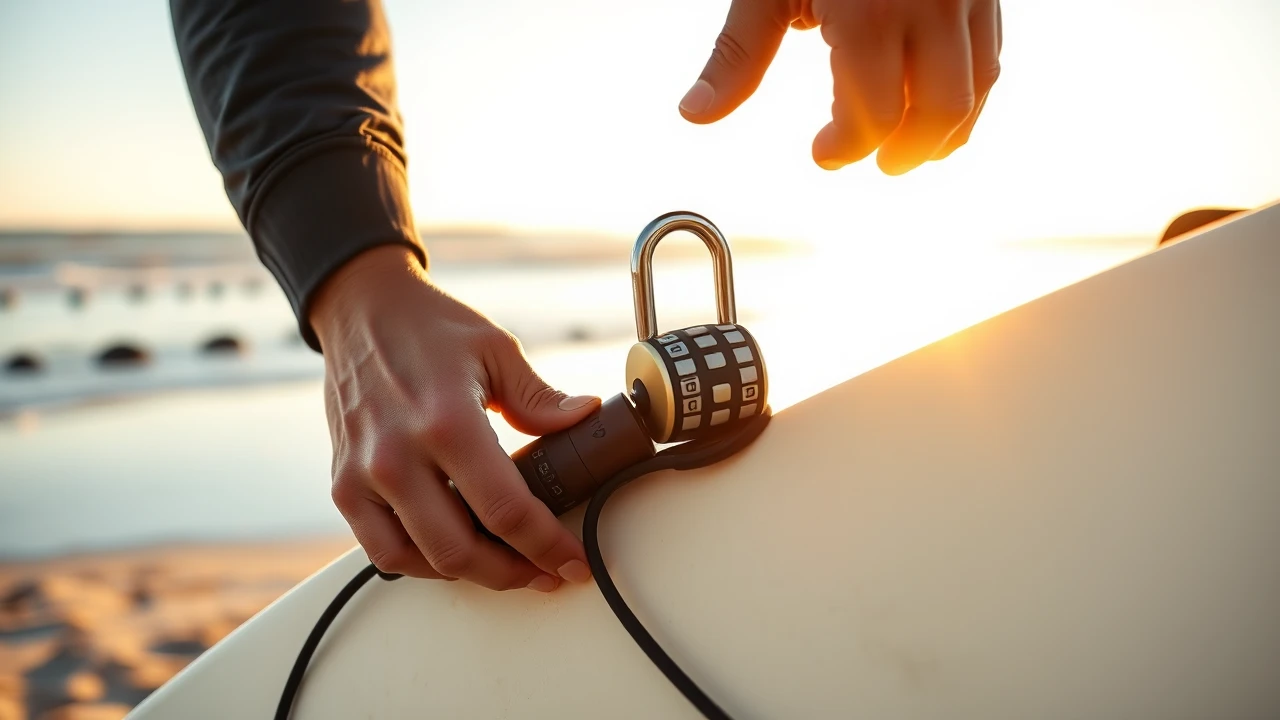
When it comes to safeguarding your surf gear and outdoor equipment, combination locks offer a perfect blend of convenience and security. Their keyless design eliminates the worry of losing a key, while resettable combinations allow you to customize your security settings to suit your needs. However, to maximize security, it’s essential to know how to reset your combination lock properly and maintain it for long-lasting, reliable performance—especially in harsh marine environments where corrosion and weather can take a toll.
In this comprehensive guide, we’ll walk you through the step-by-step process of resetting combination locks, highlight practical tips to enhance security, and explore best practices tailored for surfers and outdoor enthusiasts who rely on these durable, corrosion-resistant locking solutions.
Understanding Combination Locks: Why Resetting Matters
The Benefits of Resettable Combination Locks
Combination locks designed for surf gear and outdoor use often feature resettable codes, allowing users to:
- Personalize their security code for better recall
- Change combinations periodically to prevent unauthorized access
- Respond quickly if they suspect their combination has been compromised
Resetting your lock regularly is a simple yet powerful way to maintain optimal security, especially when your gear is left unattended in public or coastal areas.
Common Types of Combination Locks for Outdoor Gear
Most high-quality outdoor combination locks utilize either:
- Rotary dial systems: Classic design with rotating discs to set a numeric sequence
- Push-button or directional locks: Use buttons or directional inputs for code entry
- Resettable combination padlocks: Feature a reset lever or button allowing easy code changes
Understanding your lock’s mechanism is crucial before attempting to reset it.
Step-by-Step Guide to Resetting Your Combination Lock
While specific models may vary, the general resetting process follows these key steps:
1. Locate the Reset Mechanism
Most combination locks designed for marine or outdoor use have a dedicated reset feature, such as:
- A small lever or switch inside the shackle area
- A recessed button on the lock body
- A pinhole requiring a tool or pin to press
Refer to your lock’s manual for exact location, but typically you’ll find it near the shackle or on the back of the lock.
2. Open the Lock Using the Current Combination
Before resetting, ensure your lock is open. Enter your existing combination carefully to release the shackle. If you cannot open the lock, resetting won’t be possible.
3. Engage the Reset Mode
- For locks with a reset lever, flip or slide it into the reset position.
- For button-based locks, press and hold the reset button.
- For pinhole resets, insert a small tool to press and hold the reset mechanism.
This step temporarily unlocks the combination wheels or buttons for code change.
4. Set Your New Combination
Turn the dials or press buttons to your desired new code. When choosing a combination, consider these tips:
- Avoid obvious sequences such as
1234or birth years - Use a mix of numbers that are memorable but not easily guessable
- For directional locks, use unique patterns rather than simple repeats
5. Finalize the Reset
Release the reset mechanism by:
- Returning the lever to its original position
- Letting go of the reset button or pin
Test the new combination by locking and unlocking several times to confirm the code works smoothly.
6. Record Your New Combination Securely
Store your new code in a safe place. Avoid writing it on the lock or storing it in easily accessible locations. Consider using a password manager or a secure notes app.
Tips for Maintaining Maximum Security and Lock Longevity
Regularly Change Your Combination
Changing your lock’s combination every few months reduces the risk of unauthorized access, especially if you use public or shared spaces like beach lockers or gyms.
Keep Your Lock Clean and Corrosion-Free
Saltwater, sand, and moisture can degrade the lock’s mechanism over time. To extend your lock’s lifespan:
- Rinse it with fresh water after exposure to salt or sand
- Dry thoroughly before use or storage
- Apply a silicone-based lubricant to the shackle and moving parts periodically
Avoid Sharing Your Combination Excessively
Limit the number of people who know your combination. The more widely it’s shared, the higher the security risk.
Test Your Lock Before Each Use
Before securing your gear, always test your lock with the current combination to avoid being locked out.
Why Corrosion-Resistant Combination Locks Are Essential for Surfers
Marine environments are notoriously harsh on metal hardware. Combination locks built with corrosion-resistant materials such as stainless steel or brass plated with protective coatings provide:
- Extended durability against rust and pitting
- Smooth operation despite exposure to saltwater and sand
- Reliable protection for days spent at the beach or on the water
Choosing a lock engineered for coastal conditions ensures your resettable combination mechanism continues to function properly, giving you peace of mind.
Final Thoughts: Combining Convenience with Security
Resettable combination locks offer surfers and outdoor enthusiasts an ideal balance of portability, ease of use, and robust protection. By following the step-by-step resetting guide and adopting simple maintenance habits, you can enhance your gear’s security and ensure your lock withstands the elements.
Remember, security isn’t just about the lock itself—it’s about how you use and care for it. Regularly updating your combination, protecting your lock from corrosion, and choosing durable, marine-grade hardware all contribute to safeguarding your valuable surfboards, wetsuits, and outdoor equipment effectively.
With the right knowledge and tools, your combination lock becomes more than a simple accessory—it’s a trusted guardian for your adventures.