
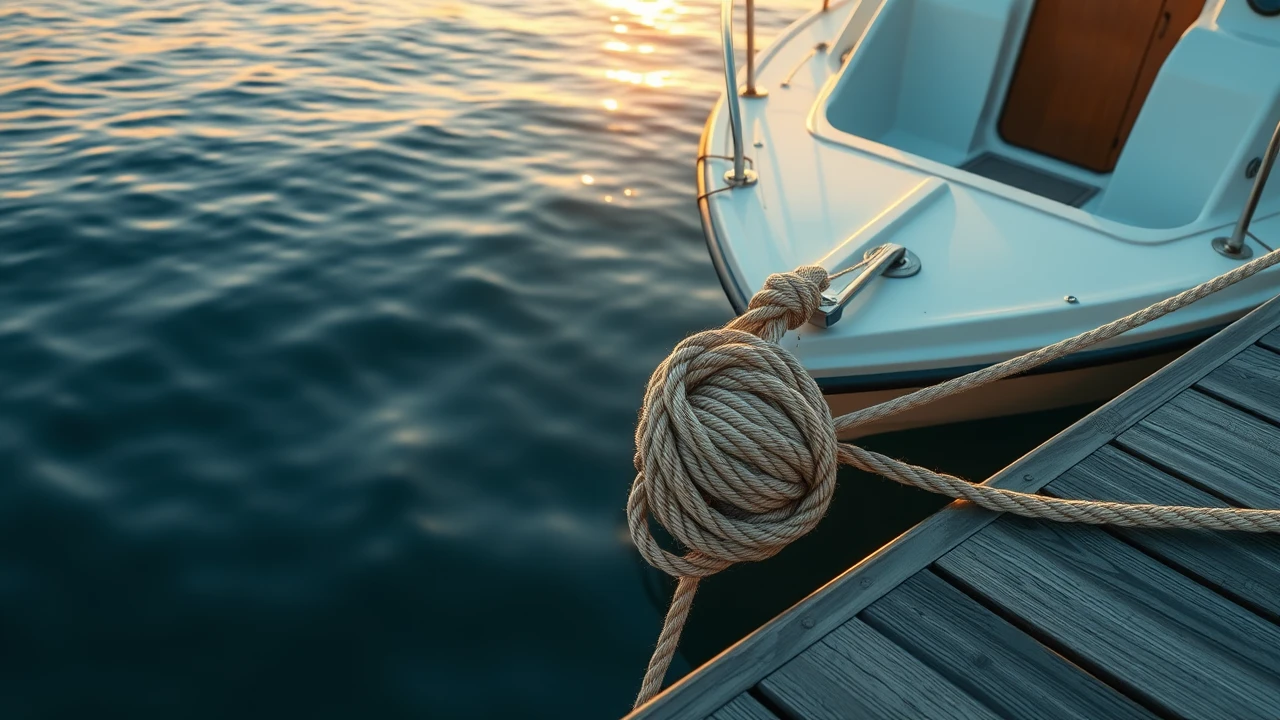
When it comes to boating, the importance of properly setting up anchor lines cannot be overstated. A well-secured anchor line ensures your vessel stays in place, preventing drifting and potential accidents in busy marinas, during overnight stays, or in rough waters. This guide will walk you through the essential steps for setting up anchor lines using durable, reliable ropes designed specifically for marine applications. Whether you’re a weekend boater or a seasoned sailor, understanding how to select and use the right anchor line will enhance safety and protect your boat.
Understanding Anchor Lines and Their Importance
Anchor lines, often referred to as rode, connect your boat’s anchor to the vessel and absorb the forces exerted by wind, waves, and currents. The right anchor line balances strength, flexibility, and resistance to harsh marine environments. Using a rope with poor durability or improper length can lead to anchor dragging, which poses risks to your boat and others nearby.
What Makes a Good Anchor Line?
Marine-grade anchor lines are typically crafted from materials such as nylon, polyester, or polypropylene. Each material offers specific benefits:
- Nylon: Known for its superior elasticity and high tensile strength, nylon rope absorbs shock loads effectively, making it ideal for anchoring in choppy waters.
- Polyester: Offers excellent abrasion resistance and low stretch, preferred where stability is crucial.
- Polypropylene: Lightweight and buoyant, often used for shorter anchor lines but less durable under heavy loads.
Many modern ropes also feature UV resistance, waterproof coatings, and floating or partially floating designs that make retrieval easier and reduce underwater hazards.
Step 1: Choose the Right Anchor Line
Selecting the appropriate rope depends on your boat size, anchor type, and typical water conditions.
- Length: A common rule is to use a scope ratio of 7:1 (seven feet of rope for every foot of water depth). For example, if anchoring in 10 feet of water, a 70-foot line is recommended.
- Diameter: Thicker ropes (8mm to 12mm) provide higher tensile strength and abrasion resistance, suitable for larger boats.
- Material: For general anchoring, nylon is often preferred due to its stretch and shock absorption.
Look for ropes with reinforced loops or spliced eyes to ensure secure connections to your anchor and boat cleats. Ergonomic handles or quick-release mechanisms can add convenience during deployment and retrieval.
Step 2: Prepare the Anchor Line and Equipment
Before heading out, inspect your anchor line for any signs of wear, fraying, or damage. Replace any compromised sections to maintain safety. It’s also helpful to coil the rope neatly on a spool or storage bag to prevent tangling.
Attach a durable shackle or swivel to the eye of the anchor to avoid rope twisting and to facilitate smooth anchor setting. Ensure all shackles and connectors are marine-grade stainless steel or corrosion-resistant.
Step 3: Selecting the Anchor Point on Your Boat
Secure the anchor line to a strong, designated point on your boat such as a bow cleat or dedicated anchor roller. Using a bow cleat helps maintain control and keeps the anchor line clear of propellers.
If your boat has a bow roller, feed the line through it to minimize chafing and ease anchor deployment. Make sure the line is tied with a reliable knot such as a bowline or a cleat hitch for easy adjustment.
Step 4: Deploying the Anchor and Line
- Approach the anchoring spot slowly, heading into the wind or current.
- Lower the anchor gradually instead of throwing it, allowing it to settle on the seabed without tangling the line.
- Pay out the rope slowly until the recommended scope length is reached.
- Set the anchor by gently reversing the boat’s engine to dig the anchor into the bottom firmly.
Avoid rapid jerks or excessive strain during this process to prevent damage to the rope or anchor.
Step 5: Securing and Monitoring the Anchor Line
Once the anchor is set, tie off the rope to the cleat securely. Use a hitch knot that can be easily released but holds under tension, such as a cleat hitch or round turn with two half hitches.
Regularly monitor the anchor’s hold, especially in changing weather or tidal conditions. Look for signs of dragging such as changes in landmarks or water depth readings.
Maintenance Tips to Prolong Anchor Line Life
Proper care ensures your anchor line remains reliable for years:
- Rinse with fresh water after each use to remove salt and prevent degradation.
- Inspect for chafing, cuts, or UV damage routinely.
- Store in a dry, shaded area to reduce exposure to sunlight.
- Avoid stepping on or dragging the rope over rough surfaces.
By maintaining your anchor line, you preserve its strength and safety features.
Safety Considerations When Using Anchor Lines
- Use ropes certified to marine safety standards such as TÜV, ISO, or CE to guarantee quality.
- Opt for floating or partially floating ropes to reduce underwater entanglement hazards and ease retrieval.
- Employ quick-release mechanisms or ergonomic handles for emergency situations requiring rapid anchor disengagement.
- Always carry a backup anchor line in case of failure.
Environmental and Sustainability Factors
Many modern marine ropes incorporate eco-friendly materials and manufacturing processes. Biodegradable coatings and recyclable fibers reduce environmental impact without compromising performance. Choosing sustainable ropes reflects responsible boating practices and helps preserve aquatic ecosystems.
Conclusion
Properly setting up anchor lines is a fundamental yet often overlooked aspect of safe boating and docking. By selecting the right rope material, length, and features, preparing your equipment carefully, and following best practices during deployment and maintenance, you ensure secure anchoring that protects your vessel and others around you. Investing time in learning these steps not only enhances your boating experience but also upholds safety and environmental responsibility on the water.