
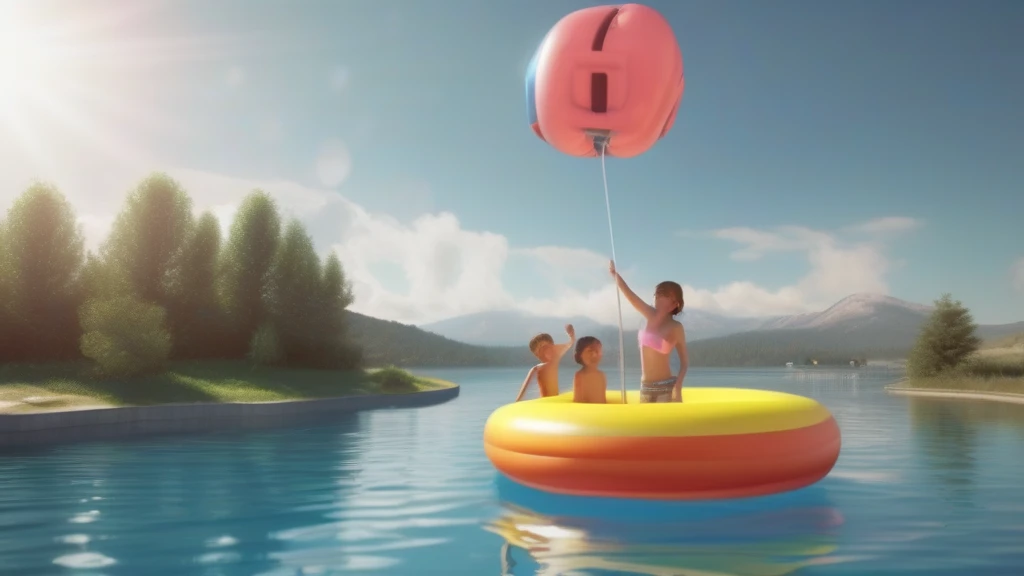
Inflatable water bouncers have quickly become a favorite addition to lakes, pools, and calm seaside areas for families and outdoor enthusiasts. These vibrant, durable platforms offer hours of active fun by combining bouncing, splashing, and lounging on the water, creating a unique aquatic playground experience. To ensure you get the most enjoyment and longevity from your inflatable water bouncer, proper setup and maintenance are key. In this guide, we'll walk you through the essential steps to prepare, use, and care for your water bouncer safely and effectively.
Understanding Your Inflatable Water Bouncer
Before diving into the setup process, it’s important to familiarize yourself with the common features and components of inflatable water bouncers:
- Size and Capacity: Typically ranging from 8 to 12 feet in diameter, these bouncers accommodate 2 to 4 users at a time, making them ideal for family or small group play.
- Materials: Constructed from puncture-resistant, high-quality PVC or similar durable materials designed to withstand outdoor water conditions.
- Design: Bright, eye-catching colors such as blue, red, orange, and yellow improve visibility on the water and add to the fun aesthetic.
- Accessories: Most models include inflation valves, repair kits, carrying bags, and sometimes anchor points for added stability.
Having a basic understanding of your bouncer’s features will help streamline the setup and maintenance process.
Step 1: Choosing the Right Location
Selecting a safe and suitable water location is the first critical step:
- Water Conditions: Choose calm, shallow waters such as a quiet lake area, swimming pool, or a protected beach zone. Avoid areas with strong currents, waves, or underwater obstacles.
- Water Depth: Ensure the water is deep enough to prevent injury if users fall off (ideally at least 4 feet), but shallow enough to stand nearby for safety.
- Surroundings: Check for sharp rocks, sticks, or debris that could damage the inflatable’s surface. Clear away any hazards before setup.
This preparation ensures a safe and enjoyable environment for all users.
Step 2: Unpacking and Inspecting the Bouncer
Once you reach your chosen spot:
- Unfold Carefully: Lay the deflated bouncer flat on a clean, dry surface free of sharp objects.
- Inspect for Damage: Check the inflatable for any punctures, tears, or manufacturing defects. Use the included repair kit promptly if you find minor issues.
- Locate Valves and Attachments: Familiarize yourself with the inflation valves and any anchor points or handles.
A thorough inspection helps prevent problems during use.
Step 3: Inflating Your Water Bouncer
Proper inflation is essential for stability and performance:
- Use the Right Pump: Employ an electric or manual air pump designed for inflatables. Avoid using high-pressure compressors that can overinflate and damage seams.
- Inflate Evenly: Slowly fill the bouncer, checking that the surface inflates uniformly without bulges or soft spots.
- Check Firmness: The bouncer should be firm to the touch but not overinflated. Overinflation can stress the material and seams.
- Close Valves Securely: After inflating, tightly seal all valves to prevent air leakage during use.
Most modern water bouncers inflate within 5 to 10 minutes, making setup quick and straightforward.
Step 4: Securing the Bouncer on Water
To maintain safety and stability while in use:
- Anchor Properly: Use the provided anchor points to secure the bouncer with weights or anchors, especially in natural bodies of water.
- Test Stability: Before allowing users on, gently test the bouncer’s stability by applying light pressure or hopping on it.
- Supervise Use: Always ensure adults supervise children and inexperienced swimmers while the bouncer is in use.
Proper anchoring prevents drifting and enhances user safety.
Step 5: Enjoying Your Inflatable Water Bouncer
With everything set up, encourage safe and fun activities:
- Limit Users: Adhere to the recommended capacity (usually 2 to 4 users) to avoid overcrowding and excessive stress on the inflatable.
- Safe Play: Encourage users to avoid sharp objects like jewelry or footwear that could puncture the surface.
- Varied Activities: Use the bouncer for bouncing, jumping, relaxing, or organized water games to maximize enjoyment.
These practices help maintain the bouncer’s condition while ensuring a fun experience.
Step 6: Deflation and Drying After Use
Properly deflating and drying your inflatable water bouncer extends its lifespan:
- Remove Water: If water has accumulated on the surface, gently wipe it off or allow it to drain before deflating.
- Deflate Slowly: Open air valves and press down on the bouncer to gently force the air out. Avoid sharp folds that could crease or stress the material.
- Dry Thoroughly: Spread the bouncer out in a shaded, well-ventilated area to air dry completely. Moisture trapped in folds can lead to mold or mildew.
- Avoid Sun Overexposure: While drying, avoid prolonged direct sunlight which can degrade material over time.
Complete drying is crucial before storage to prevent damage.
Step 7: Storage Tips for Longevity
Storing your inflatable water bouncer correctly preserves its quality:
- Clean Before Storage: Rinse off dirt, sand, and saltwater with fresh water. Use mild soap if necessary and rinse thoroughly.
- Fold Carefully: Once dry, fold the bouncer loosely to avoid creasing. Use the original carrying bag if available.
- Store in a Cool, Dry Place: Avoid damp basements or hot attics. Consistent moderate temperatures preserve the material integrity.
- Keep Away from Pests: Store in a sealed container or bag to protect from rodents or insects.
Following these storage guidelines helps your inflatable water bouncer stay ready for many seasons of use.
Maintaining Your Inflatable Water Bouncer: Additional Tips
In addition to setup and storage, regular maintenance ensures safety and durability:
- Routine Inspections: Periodically check for wear, seam integrity, and valve condition, especially after heavy use.
- Patch Repairs: Address punctures immediately with a suitable repair kit designed for water inflatables.
- Avoid Overloading: Stick to manufacturer guidelines on weight and user capacity to prevent damage.
- Clean Gently: Use non-abrasive cleaning materials to prevent surface wear.
Consistent care will keep your water bouncer safe and fun for years to come.
Conclusion
Inflatable water bouncers offer a fantastic way to enhance outdoor aquatic play with family and friends. By carefully selecting the right location, following a step-by-step setup process, and committing to proper maintenance and storage, you can maximize both the fun and lifespan of your water bouncer. Whether you’re bouncing on a lake, lounging by the pool, or splashing at the beach, these vibrant inflatables transform ordinary water environments into memorable playgrounds full of active enjoyment. With this guide, you’re well-equipped to create safe, exciting water adventures all season long.