
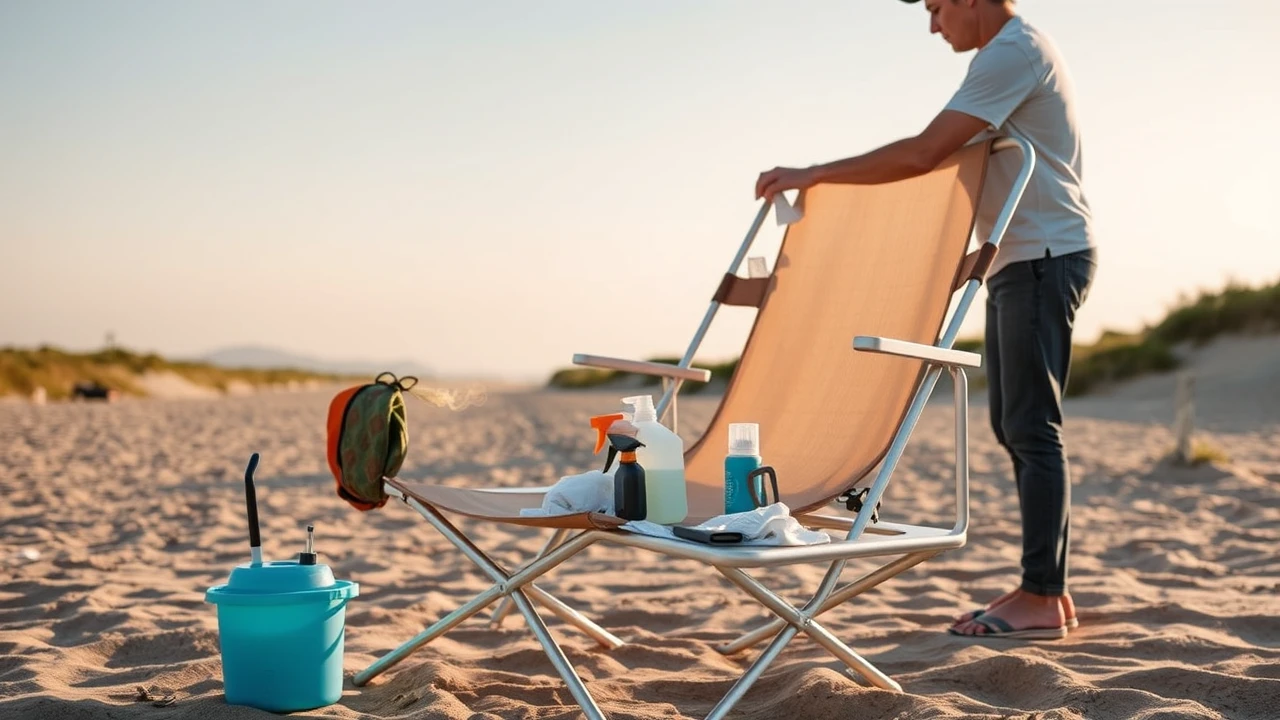
Outdoor chairs are essential companions for beach trips, camping adventures, fishing excursions, and countless other recreational activities. Designed to be lightweight, portable, and durable, these chairs often feature weather-resistant fabrics and rustproof frames to withstand the elements. However, even the sturdiest chair requires proper maintenance to maximize its lifespan and keep it looking and performing at its best. This guide offers practical, step-by-step advice on how to care for your outdoor chair, ensuring many seasons of comfort and convenience.
Understanding Your Outdoor Chair's Materials
Before diving into maintenance, it’s important to understand the common materials used in portable outdoor chairs:
- Frames: Often made from aluminum or rustproof steel, these materials resist corrosion but can still accumulate dirt or minor damage.
- Fabrics: Typically UV-resistant, waterproof polyester or nylon, sometimes combined with breathable mesh panels for comfort.
- Hardware and Accessories: Components like cup holders, storage pouches, and recline mechanisms may include plastic, metal, or fabric parts that need gentle care.
Knowing these materials helps tailor your cleaning and maintenance approach, avoiding damage and preserving functionality.
Step 1: Regular Cleaning to Prevent Wear
Cleaning the Fabrics
Outdoor chairs face dirt, sand, saltwater, and sun exposure daily. Regular cleaning prevents buildup that can degrade fabric fibers and cause stains.
- Frequency: After every few uses or when visibly dirty.
- Method:
- Use a soft brush or cloth to remove loose dirt and debris.
- Mix mild soap with lukewarm water.
- Gently scrub the fabric using a sponge or soft brush.
- Rinse thoroughly with clean water to remove soap residue.
- Allow the chair to air dry completely before folding or storing.
Avoid harsh chemicals or bleach, which can weaken the UV-resistant coating and fade colors.
Cleaning the Frame
The frame can accumulate dirt, salt, and grime, especially after beach or fishing trips.
- Wipe down with a damp cloth after use.
- For stubborn spots, use a mild detergent solution.
- Dry thoroughly to prevent moisture buildup, even on rustproof metals.
Step 2: Inspect and Tighten Components
Regular inspections help catch small issues before they become bigger problems.
- Check bolts and screws: Outdoor chairs often have folding mechanisms and adjustable parts secured by screws or bolts. Over time, these can loosen.
- Action: Tighten any loose hardware using appropriate tools.
- Inspect joints and hinges: Look for signs of wear or bending.
- Lubricate moving parts: Use a silicone-based lubricant to keep folding mechanisms smooth and prevent rust.
Step 3: Protect Against Sun and Moisture Damage
Even UV-resistant fabrics and rustproof frames benefit from added protection.
- Use chair covers or store indoors when not in use for extended periods, especially during harsh weather.
- Avoid prolonged exposure to direct sunlight when possible to minimize fabric fading and weakening.
- Ensure the chair is completely dry before folding and storing to prevent mold, mildew, or rust development.
Step 4: Address Stains and Mildew Promptly
Outdoor chairs can attract stains from food, drinks, or environmental elements.
- Tackle stains quickly using gentle cleaning solutions like diluted vinegar or baking soda paste, tested on a small fabric area first.
- For mildew: Mix one part white vinegar with three parts water, apply to the affected area, let sit for 15 minutes, then scrub lightly and rinse.
- Avoid aggressive scrubbing, which can damage fabric fibers.
Step 5: Store Properly for Off-Season or Long-Term Periods
Proper storage is crucial to preserving chair integrity during off-season months.
- Fold the chair fully to minimize space and protect structural components.
- Store in a dry, cool location away from direct sunlight.
- Avoid damp basements or garages prone to humidity.
- If available, use a breathable storage bag to reduce dust and allow airflow.
Step 6: Repair Minor Damage Early
Small tears, loose stitching, or minor frame dents can be repaired to extend the chair’s useful life.
- Fabric tears: Use outdoor fabric repair patches or adhesive kits designed for waterproof materials.
- Loose stitching: Sew carefully with UV-resistant thread.
- Frame dents or bends: Gently straighten if possible, or consult a professional for structural repair.
- Early repairs prevent worsening damage and maintain safety.
Additional Tips for Maximizing Comfort and Longevity
- Rotate usage if you own multiple chairs to distribute wear evenly.
- Avoid exceeding weight capacity to prevent frame stress.
- Use chair accessories wisely—items like cup holders or sunshades add convenience but should be handled carefully to avoid undue strain on attachment points.
- Clean after exposure to saltwater to reduce corrosion risk.
Why Maintenance Matters
Proper maintenance not only extends the life of your outdoor chair but also ensures safety and comfort during use. Well-cared-for chairs retain their ergonomic features, such as adjustable recline and breathable fabrics, providing consistent support and relaxation. Additionally, maintaining weather-resistant coatings and rustproof frames preserves the chair’s aesthetic and functional appeal, making your outdoor experiences more enjoyable.
By adopting these step-by-step care practices, you invest in your chair’s durability, reduce the need for premature replacement, and contribute to sustainable use of outdoor furniture.
Maintaining your portable outdoor chair is a straightforward yet essential part of enjoying the great outdoors. With regular cleaning, inspection, protection, and timely repairs, your chair will be ready to accompany you on countless beach days, camping trips, and fishing adventures for years to come.