
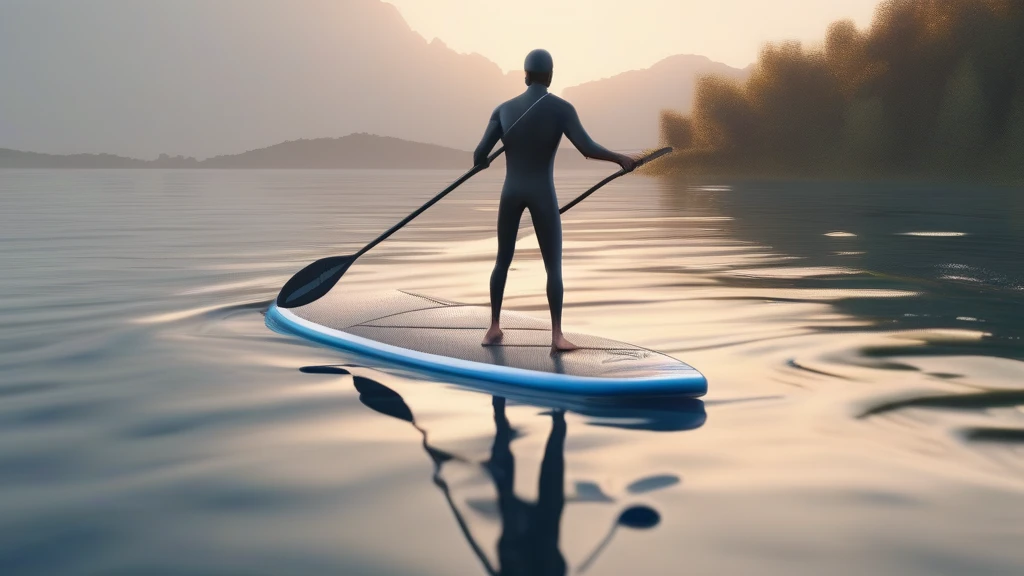
Paddleboarding is a thrilling water sport that combines physical fitness, balance, and an intimate connection with nature. For those new to stand-up paddleboarding (SUP), mastering the basics — from finding your balance on the board to using efficient paddling techniques — is essential for both safety and enjoyment. This guide walks beginners through foundational balance exercises and paddling methods, empowering you to confidently explore lakes, rivers, or coastal waters.
Understanding Your Paddleboard: The Foundation for Success
Before stepping onto the water, it’s important to select a paddleboard that supports your learning curve. Beginners typically benefit from boards with the following characteristics:
- Stability: Wider and thicker boards offer greater buoyancy and balance, reducing the chance of tipping.
- Inflatable vs. Solid: Inflatable SUPs provide portability and forgiving flex, which some beginners find easier to adapt to. Solid boards often have slightly better tracking but require more storage space.
- Hull Type: Planing hulls are common for recreational paddling and provide stability, while displacement hulls cut through water efficiently but can be less stable for new riders.
- Non-slip Deck Pads: Quality traction pads help maintain foot grip, crucial for balance.
Familiarizing yourself with your board’s features — such as fin configuration and leash attachment points — will also improve your comfort and control on the water.
Step 1: Getting Comfortable with Balance on the Board
Balance is the cornerstone of stand-up paddleboarding. New riders should practice balance exercises both on land and water to build confidence.
On-Land Balance Drills
Start on a flat, stable surface with your paddleboard or a similar wide board:
- Stance Practice: Place your feet parallel and shoulder-width apart, centered between the edges of the board.
- Weight Shifts: Slowly shift your weight from side to side and front to back, feeling how the board responds.
- Knee Bends: Practice small knee bends to absorb movement and maintain stability.
- Single-Leg Balance: Lift one foot slightly off the board, holding for a few seconds, then switch sides.
These exercises train your muscles and proprioception — your body’s ability to sense movement — which are vital for balance on water.
On-Water Balance Tips
Once on the water:
- Start Kneeling: Position yourself on your knees while holding the paddle to acclimate to the board’s movement.
- Rise Slowly: Gradually stand up with your feet where your knees were, keeping them shoulder-width apart.
- Look Ahead: Fix your gaze on the horizon rather than your feet to help stabilize your body.
- Bend Your Knees: Keep your knees slightly bent and your core engaged to absorb waves and swells.
- Use Your Paddle for Support: Initially, you can place the paddle in the water for extra steadiness.
Practicing these steps in calm, shallow water will help you gain stability before venturing into more challenging conditions.
Step 2: Mastering Basic Paddling Techniques
Efficient paddling propels you forward and helps with steering and balance.
The Proper Paddle Grip
- Top Hand: Grip the T-shaped handle at the end of the paddle with your dominant hand.
- Bottom Hand: Hold the shaft of the paddle about shoulder-width below your top hand.
- Arm Position: Keep your arms extended but relaxed, allowing fluid motion.
Forward Stroke Technique
- Reach Forward: Extend your paddle straight ahead of your board.
- Blade Angle: Insert the blade fully into the water, angling it slightly backward to push water.
- Pull Back: Use your core to pull the paddle toward your feet alongside the board.
- Exit Water: Lift the paddle out near your feet and repeat on the other side.
Alternate strokes on the left and right sides to maintain a straight course.
Turning and Steering
- Sweep Stroke: To turn, place the paddle near the nose of the board and sweep it in a wide arc away from the board.
- Back Paddle: Paddling backward on one side helps slow or stop the board.
- Draw Stroke: Reach the paddle out to the side and pull it toward the board to move sideways.
Practicing these strokes improves maneuverability and control.
Step 3: Integrating Balance and Paddling for Smooth Riding
Combining balance and paddling techniques is key to a seamless paddleboarding experience.
- Engage Your Core: Use your abdominal muscles to stabilize your body during each paddle stroke.
- Maintain a Low Center of Gravity: Keep knees bent and body relaxed to adapt to water movement.
- Synchronize Movements: Coordinate your foot placement and paddle strokes to prevent wobbling.
- Adjust to Conditions: In windy or choppy water, shorten your paddle stroke and focus on balance.
Regular practice strengthens muscle memory, enabling more natural and efficient paddling.
Additional Tips for New Paddleboarders
- Wear a Leash: A leash keeps you connected to your board if you fall, enhancing safety.
- Start with Calm Water: Flat lakes or bays offer ideal learning environments.
- Dress Appropriately: Use water-appropriate attire and consider a personal flotation device.
- Practice Falling and Getting Back Up: Knowing how to safely fall and remount builds confidence.
- Warm-up and Stretch: Prepare your muscles to reduce injury risk.
Conclusion
Embarking on your paddleboarding journey begins with mastering balance and fundamental paddling techniques. By practicing structured balance exercises and learning proper stroke methods, beginners can quickly gain stability, control, and confidence on the water. Remember, patience and consistent practice are your best allies as you progress from tentative first steps to smooth, enjoyable paddling adventures. Whether you’re exploring peaceful lakes, scenic rivers, or coastal waves, these basics provide the groundwork for a rewarding paddleboarding experience.