
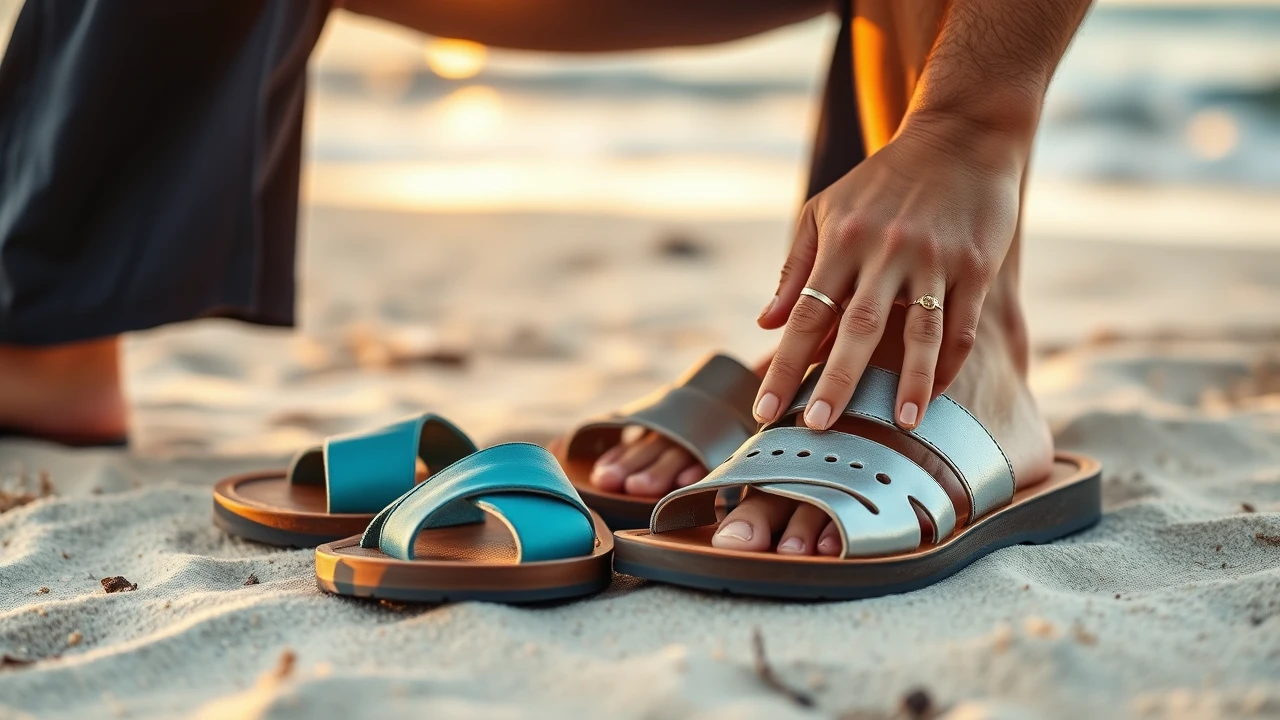
Sandals are more than just casual footwear; they are an essential companion for everything from leisurely beach days to rugged outdoor adventures and stylish social events. Given their frequent exposure to sun, sand, water, and varied terrain, proper care of your sandals ensures they remain comfortable, durable, and ready for any occasion. Whether you own lightweight flip-flops, rugged hiking sandals, or elegant heeled designs, adopting a regular maintenance routine can significantly extend their lifespan and preserve key features like arch support, waterproofing, and non-slip soles.
In this article, we’ll walk you through a comprehensive sandal care routine that helps maximize both durability and comfort, tailored for the diverse types of sandals available today.
Understanding Your Sandals’ Materials and Features
Before diving into cleaning and maintenance, it’s important to recognize the materials and technologies involved in your sandals:
- Eco-Friendly Materials: Many sandals today use synthetic leather, EVA foam, neoprene, and recyclable components designed for sustainability and comfort.
- Waterproof and Quick-Dry Fabrics: These materials resist water absorption, making sandals ideal for beach or water activities.
- Adjustable Arch and Heel Support: Ergonomic designs ensure long-lasting comfort.
- Non-Slip and Impact-Resistant Soles: Provide safety across different surfaces.
- Breathable and Anti-Chafing Features: Maintain foot health and reduce odor.
Knowing these features helps you choose suitable cleaning methods and products that won’t compromise your sandals’ performance.
Step 1: Regular Cleaning to Remove Dirt and Debris
Why It Matters:
Sandals are exposed to dirt, sand, sweat, and oils that can accumulate and degrade materials over time. Regular cleaning prevents buildup that can cause odors, material breakdown, and discomfort.
How to Clean:
- Light Cleaning: After each wear, especially outdoors, brush off loose dirt and sand with a soft brush or cloth.
- Deeper Cleaning: For synthetic leather or neoprene straps, use a damp cloth with mild soap or a specialized cleaner. Avoid harsh detergents that can strip waterproof coatings.
- Soles: Use a soft brush to scrub the outsole and tread, focusing on grooves where dirt accumulates.
- Quick-Dry Tip: Rinse sandals made with waterproof materials under cool water to remove salt or grime, then air dry.
What to Avoid:
- Avoid soaking sandals unless they are designed for water use, as prolonged water exposure can weaken adhesives.
- Do not machine wash unless the manufacturer specifically allows it.
Step 2: Drying and Storage Best Practices
Why It Matters:
Proper drying prevents mold, mildew, and unpleasant odors, while correct storage preserves sandal shape and materials.
How to Dry:
- Air-dry sandals in a shaded, well-ventilated area.
- Avoid direct sunlight for extended periods to prevent fading and material cracking.
- For quick-dry sandals, allow at least 24 hours to ensure internal moisture evaporates.
Storage Tips:
- Store sandals in a cool, dry place.
- Use shoe trees or stuff toe areas with soft paper to maintain shape, especially for structured sandals like gladiators or heeled designs.
- Keep away from extreme temperatures and humidity.
- For travel sandals, fold or pack according to manufacturer guidelines to avoid creasing.
Step 3: Conditioning and Protecting Materials
Why It Matters:
Materials such as synthetic leather and certain foams benefit from occasional conditioning to maintain flexibility and prevent cracking.
How to Condition:
- Use conditioners formulated for synthetic leathers or neoprene.
- Apply sparingly with a soft cloth, and buff gently after drying.
- Avoid oil-based products that can attract dirt or degrade certain synthetic materials.
Additional Protection:
- For sandals frequently exposed to water, applying a waterproof spray designed for synthetic materials can reinforce water resistance.
- Use UV protectant sprays to preserve colors and materials against sun damage, especially for fashion or travel sandals.
Step 4: Inspect and Repair for Longevity
Why It Matters:
Early detection and repair of minor damage prevent bigger issues that compromise sandal function and comfort.
What to Inspect:
- Straps and buckles for fraying, tearing, or loosening.
- Soles for wear patterns, separation, or cracks.
- Footbeds for compression or loss of cushioning.
Repair Tips:
- Replace worn-out insoles or cushioning pads to retain ergonomic support.
- Tighten or replace buckles and fasteners as needed.
- Use adhesive repair kits designed for footwear to fix sole separations.
- Some sandals come with warranties or repair kits—take advantage of these for professional maintenance.
Step 5: Odor Control and Freshness Maintenance
Why It Matters:
Odors can develop from sweat and bacteria, impacting sandal comfort and wearability.
How to Maintain Freshness:
- Use baking soda or activated charcoal sachets inside sandals to absorb moisture and odor between wears.
- Spray footbeds with antimicrobial or odor-neutralizing sprays formulated for footwear.
- Rotate sandals regularly to allow airing out and reduce moisture buildup.
Additional Tips for Specific Sandal Types
Casual Flip-Flops and Slides
- These often use EVA foam or rubber, making them water-friendly and easy to clean.
- Avoid prolonged folding or compressing to prevent permanent creases.
Rugged Hiking and Sports Sandals
- After muddy or wet hikes, clean and dry thoroughly to prevent sole degradation.
- Check tread depth regularly to maintain non-slip performance.
Gladiator and Heeled Fashion Sandals
- Pay special attention to delicate straps and embellishments.
- Use gentle cleaning methods and store with support to preserve shape.
Travel-Specific Foldable Sandals
- Clean promptly after use to prevent dirt buildup inside folds.
- Follow folding/unfolding instructions carefully to avoid material stress.
Conclusion
Caring for your sandals goes beyond occasional cleaning—it’s about maintaining the features and technologies that deliver comfort, style, and durability across diverse environments and uses. By following this step-by-step sandal care routine, you’ll ensure your footwear stays fresh, supportive, and ready for every adventure or occasion. Embrace regular maintenance tailored to your sandal type and materials, protect them from environmental damage, and address repairs promptly to maximize both their lifespan and your comfort every step of the way.