
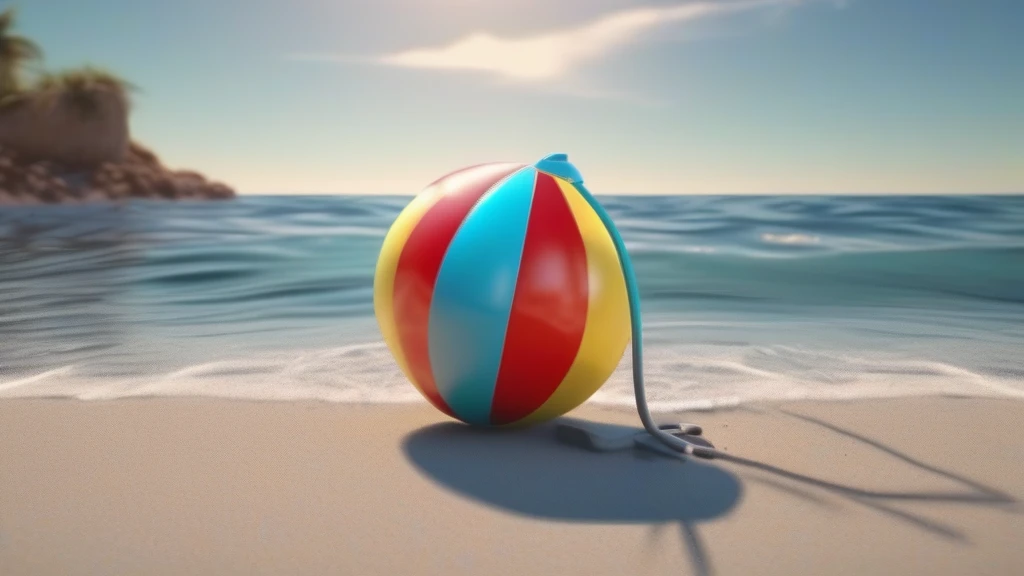
Beach balls are a staple for outdoor fun at the pool, beach, or backyard. Their vibrant colors, lightweight design, and buoyant nature make them perfect for games and social activities. However, to get the most out of your beach ball and ensure it lasts for many seasons, it’s important to know how to inflate and deflate it properly. Improper handling can lead to damage or safety issues, while efficient techniques save you time and effort.
In this guide, we’ll walk you through practical, step-by-step tips to inflate and deflate your beach ball quickly and safely. Whether you’re using a manual pump, an electric inflator, or inflating by mouth, these insights will help you handle your beach ball with confidence.
Understanding Your Beach Ball’s Features Before Inflation
Know the Valve Type
Most beach balls come with a specialized valve designed to prevent air leakage. Common types include:
- Single-valve systems: A simple valve that opens to take air in and closes automatically.
- Dual-valve systems: Featuring an inner flap and outer cap to lock in air more securely, reducing accidental deflation.
Identifying your beach ball’s valve type is crucial because it affects how you inflate and deflate it. Always check the manufacturer’s instructions if available.
Consider Material and Size
Beach balls are typically made from durable materials like PVC, nylon, or eco-friendly plastics, often with UV and tear resistance. Larger balls (up to 48 inches) require more air volume, so you might need a more powerful pump or a bit more time when inflating.
Step-by-Step Guide to Inflating Your Beach Ball
1. Prepare Your Equipment and Area
Gather the necessary tools:
- Manual hand pump, foot pump, or electric inflator compatible with beach ball valves.
- Optional: A needle adapter if your pump requires it.
- Clean, flat surface to avoid punctures or dirt contamination.
Ensure your hands and the ball’s surface are clean and dry before inflation.
2. Locate and Open the Valve
Gently pull out or unscrew the valve cap without forcing it. For dual valves, you may find an extra flap inside—be careful not to damage it.
3. Begin Inflation Slowly
Insert the pump nozzle firmly into the valve opening. If inflating by mouth, form a tight seal with your lips around the valve.
- For manual pumps: Use steady, moderate strokes to prevent over-inflation.
- For electric pumps: Use the lowest pressure setting if available to avoid bursting.
4. Monitor the Ball’s Firmness
Inflate until the ball is firm but not overly tight. Over-inflation can stress seams and materials, leading to tears or leaks. The ball should retain its shape without feeling rock hard.
5. Seal the Valve Properly
Once inflated, quickly remove the pump and close the valve securely. For dual valves, ensure the inner flap is sealed and the outer cap clicks or screws shut firmly.
6. Check for Air Leaks
Press gently on the ball and listen for escaping air. If you detect leaks, reinflate slightly and reseal the valve. If leaks persist, inspect the valve or the ball for punctures.
Step-by-Step Guide to Deflating Your Beach Ball
1. Find a Comfortable Workspace
Lay the beach ball on a clean, flat surface where it can be folded without damage.
2. Open the Valve Fully
Remove the valve cap and, if applicable, pull out the inner flap to allow air to escape freely.
3. Gently Press to Release Air
Start by pressing gently on the ball to push air out. For larger balls, fold or roll from the opposite end of the valve toward it, squeezing air out steadily.
4. Avoid Forcing or Sharp Bends
Do not crease the ball sharply or fold it too aggressively, as this can cause material fatigue or cracks over time.
5. Fold and Store Properly
Once fully deflated, fold the ball neatly along natural seams. Store it in a dry, cool place away from direct sunlight and sharp objects. Some beach balls come with storage bags or repair kits—using these can extend the life of your ball.
Additional Tips for Safe and Efficient Inflation and Deflation
Use the Right Pump for Your Beach Ball
- Manual hand or foot pumps offer control and portability.
- Electric pumps speed up inflation, especially for jumbo-sized balls, but ensure they have adjustable pressure settings.
- Avoid inflating by mouth for large beach balls to prevent dizziness or inhaling chemicals.
Be Mindful of Environmental Factors
- Inflate your beach ball indoors or in a shaded area to prevent heat expansion that might cause over-inflation.
- Deflate completely before storing to avoid deforming the ball.
Inspect Your Beach Ball Regularly
Check valves and seams for signs of wear or damage. Early repair with included patches can prevent leaks and extend usability.
Why Proper Inflation and Deflation Matter
Correctly inflating and deflating your beach ball isn’t just about convenience—it's essential for safety and product longevity. Over-inflating can cause the ball to burst unexpectedly during play, posing injury risks. Under-inflating reduces buoyancy and enjoyment. Proper deflation prevents material stress and helps maintain the ball’s vibrant appearance and functionality.
Conclusion
Mastering the art of inflating and deflating your beach ball quickly and safely enhances your outdoor fun and protects your investment. By understanding your ball’s valve system, choosing the right inflation method, and following careful handling steps, you can enjoy hassle-free setup and storage every time.
With these tips in mind, your beach ball will be ready for countless games, pool parties, and beach days—bringing smiles and active play for all ages. Remember, a little care goes a long way in keeping your beach ball bright, buoyant, and ready for action.