
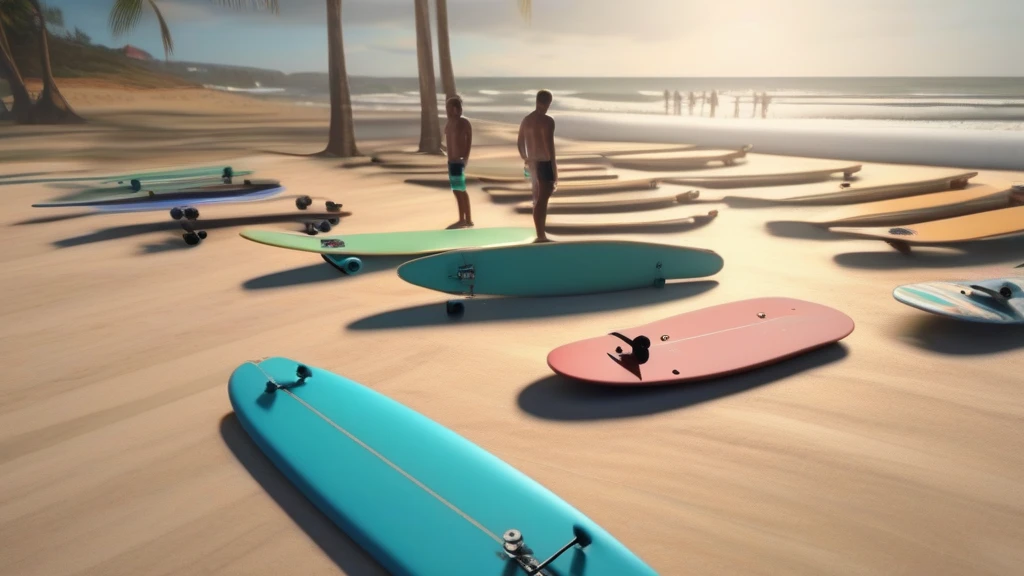
Surfing is an exhilarating water sport that attracts enthusiasts of all ages and skill levels. For beginners, especially those learning through surf schools, choosing the right surfboard is crucial to building confidence and mastering the basics. Among various options, longboards stand out as the preferred choice for surf schools due to their stability, ease of use, and forgiving nature. This article explores the key features of longboards favored by surf schools, highlighting how these design elements enhance learning and safety for novice surfers.
Why Longboards Are Ideal for Beginners
Longboards are characterized by their length—typically ranging from 8 to 10 feet—and their wide, stable shapes. This size and volume create a buoyant platform that makes paddling easier and standing up more manageable, two fundamental skills for beginners. The generous surface area provides greater balance, reducing the likelihood of falls and allowing new surfers to focus on their technique rather than constantly recovering from instability.
For surf schools catering to children, families, or complete novices, longboards offer an accessible entry point into surfing that promotes a positive and rewarding experience.
Key Features of Surf School Longboards
1. Soft Top Construction for Safety and Comfort
One of the most defining features of beginner-friendly longboards is the soft top deck. Unlike traditional fiberglass boards that have hard surfaces, soft tops are covered with a layer of impact-absorbing foam. This foam surface:
- Minimizes the risk of injury from falls or collisions
- Provides a comfortable grip for hands and feet, reducing slippage
- Offers a forgiving touch, making it easier for learners to fall safely
The foam cores are often paired with durable, impact-resistant materials underneath to protect the board’s structure, ensuring longevity even under rigorous use by multiple students.
2. Wide, Stable Shapes and Moderate Rocker Profiles
Surf school longboards typically feature a wide outline with a broad nose and tail. This shape increases stability by distributing the surfer’s weight evenly and enhancing buoyancy. Additionally, these boards usually have a moderate to low rocker—the curve from nose to tail—which helps the board glide smoothly on small to medium waves, common conditions for beginners.
A flatter rocker profile means less drag and more speed, which assists novices in catching waves earlier and maintaining momentum once standing.
3. Soft Rails and Protective Foam Layers
Soft rails—the rounded edges of the board—are another hallmark of beginner longboards. Hard rails can be unforgiving during wipeouts or when bumping into other surfers. In contrast, soft rails:
- Reduce the chance of cuts or bruises during falls
- Improve overall board stability by offering smooth, predictable water flow
- Enhance safety when practicing in crowded surf school environments
Combined with protective foam layers underneath the deck, these elements contribute to a surfboard that is both durable and gentle on users.
4. Versatile Fin Configurations for Control and Maneuverability
Longboards designed for surf schools often come with adaptable fin setups, ranging from a single large fin to tri-fin (thruster) systems. Each configuration offers different advantages:
- Single fin: Provides straight-line stability and smooth turns, ideal for beginners focusing on balance.
- Tri-fin (thruster): Adds maneuverability and control, helping learners explore turning techniques as their skills develop.
Many boards feature removable fins, allowing surf instructors to tailor the setup according to the lesson plan or wave conditions.
5. Eco-Friendly Materials and Durability
With increasing awareness of environmental impact, surf schools are gravitating toward boards constructed with sustainable materials. Many beginner longboards incorporate:
- Recyclable foam cores made from non-toxic, biodegradable substances
- UV-resistant skins that extend the board’s lifespan and reduce the need for frequent replacements
- Waterproof composites that protect against water damage and degradation
These eco-conscious practices not only align with the values of many surf schools but also ensure that the boards withstand the wear and tear of daily use, maintaining performance and safety standards.
6. Enhanced Portability and User-Friendly Accessories
Since surf schools often transport multiple boards and gear to varied beach locations, portability is a significant consideration. Longboards designed for schooling purposes frequently include features like:
- Built-in carry handles or straps for easy lifting
- Lightweight construction without sacrificing sturdiness
- Protective carry bags that shield boards during transit and storage
Additionally, surf schools often bundle essential accessories such as leashes, wax kits, repair patches, and instructional materials. These extras support learners by providing everything needed to maintain and use the board effectively.
How These Features Support Learning and Safety
Surf schools prioritize user safety and ease of learning above all. The combination of soft tops, stable shapes, and protective elements creates an environment where beginners can focus on developing fundamental skills—paddling, wave selection, popping up, and balance—without undue fear of injury.
The forgiving nature of these boards encourages repeated practice and helps build muscle memory, which is critical in progressing from novice to intermediate levels. Moreover, environmentally responsible materials reflect growing commitments to ocean conservation, instilling eco-awareness in new surfers from the outset.
Choosing the Right Longboard for Surf Lessons
When selecting a longboard for surf school or personal beginner use, consider the following factors:
- Board size: Longer and wider boards offer more stability; children may require smaller dimensions tailored to their height and weight.
- Construction materials: Opt for soft top boards with eco-friendly cores and durable skins for safety and sustainability.
- Fin setup: Choose boards with removable fins to adapt to varying skill levels and wave conditions.
- Weight and portability: Ensure the board is manageable to carry and transport, especially for younger surfers.
- Certifications: Look for boards that meet safety and quality standards, such as ISO or CE compliance, providing assurance of reliability.
Conclusion
Longboards remain the cornerstone of surf schools’ equipment due to their exceptional stability, safety features, and user-friendly designs. By combining soft top construction, wide stable shapes, versatile fin systems, and eco-conscious materials, these boards create an ideal learning platform for beginners. Understanding these features can help aspiring surfers and families make informed choices that enhance the learning experience while fostering a lifelong love of surfing in harmony with the environment.